

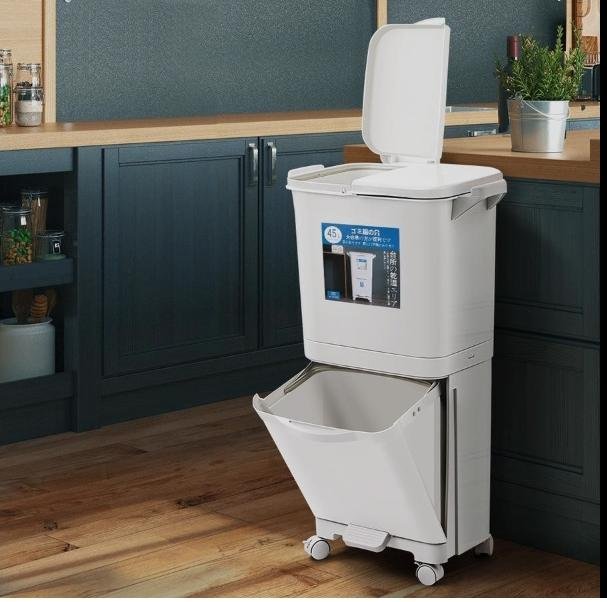
There’s nothing quite like walking into your kitchen and being hit by that unmistakable, stomach-turning smell coming from the bin. You emptied it just two days ago. You’ve been tying the bags properly. And yet — there it is again.
If this sounds frustratingly familiar, you’re not alone. Kitchen bin odor is one of the most common household complaints across American homes, and most people are only treating the symptom instead of the root cause. This guide breaks down exactly why your bin smells, what you might be doing wrong without realizing it, and how to fix it for good.
Why Does My Kitchen Bin Smell So Bad?
Before reaching for a can of air freshener or tossing in a dryer sheet (more on why that’s a band-aid fix), it helps to understand what’s actually creating the odor.
Kitchen bin smell is almost always the result of microbial activity. When organic waste — food scraps, meat packaging, vegetable peels, coffee grounds — sits in a warm, enclosed space, bacteria and mold get to work breaking it down. That decomposition process releases volatile sulfur compounds, ammonia, and other gases that combine into the unpleasant smell you’re dealing with.
But bacteria alone aren’t always the whole story.
7 Causes of Kitchen Bin Smell You Shouldn’t Ignore
1. Food Residue Left Inside the Bin Liner
Even when you change the bag regularly, liquid and food particles often leak through micro-tears in the liner and settle at the bottom of the bin. Over time, that residue builds up into a thick, bacteria-rich sludge that no amount of bag-changing will fix.
What to do: Pull the liner out and inspect the interior walls and base of your bin every two weeks. You’ll likely find dark residue you didn’t know was there.
2. You’re Using Thin or Low-Quality Bin Bags
Budget garbage bags tear more easily under the weight and sharpness of typical kitchen waste — think chicken bones, tin can lids, broken glass. Once there’s a micro-puncture, leakage starts immediately, and the liquid waste goes straight to the bottom.
In the United States, kitchen garbage bags typically range from 0.7 mil to 1.3 mil in thickness. For kitchen waste, anything under 0.9 mil is likely to fail you sooner than later. Investing in a thicker, scented kitchen liner isn’t an upsell — it’s genuinely functional prevention.
3. Warm Kitchen Temperatures Are Accelerating Decomposition
American kitchens run warm. Ovens, dishwashers, and refrigerators all generate ambient heat, and if your bin is positioned near any of these appliances, you’re essentially speeding up the rotting process.
Bacteria multiply fastest between 40°F and 140°F — what the USDA calls the “danger zone” for food safety. Your kitchen likely sits somewhere in that range most of the day. This is why a bin that smelled fine in winter suddenly becomes unbearable in July.
What to do: If possible, move your bin away from the oven, dishwasher, or any direct heat source. A corner away from appliances makes a meaningful difference.
4. You’re Not Emptying It Frequently Enough
There’s no universal rule for how often to empty a kitchen bin, but most households wait too long. If you’re emptying it once a week and cooking daily, you’re giving waste up to seven days to ferment in a warm enclosed space.
A good benchmark: empty your kitchen bin every 2–3 days, or immediately after disposing of any raw meat, fish, or dairy packaging — even if the bag isn’t full. The smell compounds fast once those items start to break down.
5. The Bin Lid Isn’t Sealing Properly
A bin with a loose, cracked, or missing lid is an open invitation for odor to spread through your kitchen. Many pedal-operated bins sold at big-box retailers across the US use lids that warp over time, especially if they’re exposed to steam from nearby cooking.
Check whether your lid sits flush. If it doesn’t, the seal is compromised and no amount of deodorizer will keep the smell contained.
6. Mold Is Growing Inside the Bin
If your bin smell has a damp, musty quality on top of the usual rotting odor, mold is likely involved. Mold spores thrive in the dark, moist conditions inside a kitchen bin — especially if wet food scraps or liquid waste have been sitting undisturbed.
Beyond the smell, mold can be a health concern, particularly for household members with allergies, asthma, or compromised immune systems. This is a cause you genuinely shouldn’t ignore.
What to do: Give the interior a deep clean with a diluted white vinegar solution (one part vinegar to one part water), scrub thoroughly, and let it air-dry completely before relining.
7. You’re Putting the Wrong Items in the Kitchen Bin
Many households in the US use a single kitchen bin for everything — food scraps, packaging, paper, and wet waste. Mixing these can accelerate odor significantly. Wet organic material trapped against dry packaging creates the perfect anaerobic environment for odor-producing bacteria.
If your home doesn’t already have one, consider adding a small countertop compost caddy for food scraps. Separating food waste from general trash dramatically reduces bin odor and is also better for the environment. Many US cities — including San Francisco, Portland, and New York — now have municipal composting programs that make this easy to act on.
How to Get Rid of Kitchen Bin Smell: Step-by-Step
Now that you know the causes, here’s a practical cleaning routine that actually works.
Step 1: Empty and Rinse the Bin
Remove the bag and any visible residue. Take the bin outside or to the utility sink and rinse the interior with hot water.
Step 2: Scrub With a Cleaning Solution
Mix one cup of white vinegar, one cup of warm water, and a few drops of dish soap. Scrub the inside, outside, and lid with a dedicated bin brush. Baking soda works as an effective abrasive booster — sprinkle some on before scrubbing to help lift stubborn residue.
For persistent mold or heavy bacterial buildup, a diluted bleach solution (one tablespoon of bleach per gallon of water) is more effective. The CDC recommends this dilution ratio for household surface disinfection and it’s safe for most plastic bin surfaces when rinsed thoroughly afterward.
Step 3: Rinse and Dry Completely
This step is where most people go wrong. Putting a fresh liner in a damp bin traps moisture immediately and restarts bacterial growth within hours. Let the bin air dry fully — ideally in the sun, which also acts as a natural disinfectant.
Step 4: Add a Deodorizer Before Relining
Once dry, add one of these at the base of the bin before inserting a fresh liner:
- Baking soda – sprinkle a thin layer to absorb future odors
- Activated charcoal sachet – absorbs moisture and odor compounds
- A few drops of essential oil on a paper towel – adds a mild scent buffer (tea tree, eucalyptus, or lemon work well)
Step 5: Maintain a Cleaning Schedule
A deep clean every two to four weeks, combined with a quick wipe-down after each bag change, is enough to keep odor from building back up. If your household generates a lot of food waste, err toward the shorter end of that schedule.
Best Products for Eliminating Kitchen Bin Smell (2026)
You don’t need to spend a lot. These are simple, widely available options:
- Arm & Hammer Baking Soda – a classic odor absorber that works as well as anything on the market
- Glad ForceFlex Plus Kitchen Drawstring Bags – thicker construction with a built-in odor shield
- OXO Good Grips Compost Bin – a well-regarded countertop caddy for separating food waste
- Charcoal Odor Eliminator Bags – reusable, chemical-free, and effective for ongoing odor control
When Bin Smell Is a Sign of a Bigger Problem
Sometimes a persistent kitchen odor isn’t coming from the bin at all — or at least not only from the bin. If you’ve cleaned your bin thoroughly and the smell persists, consider these other sources:
- Drain buildup – food grease and organic matter accumulating in the kitchen drain
- Grease trap issues – relevant in older American homes with certain sink configurations
- Refrigerator drip tray – a surprisingly common and overlooked odor source
- Behind or beneath appliances – food particles that have rolled under the fridge or stove
For a broader approach to managing household odors and indoor air quality, check out our complete guide to eliminating household smells room by room — it covers everything from bathroom drain odors to musty basements.
(Replace # with your actual internal post URL before publishing.)
The Bottom Line
A smelly kitchen bin is almost always a solvable problem — and the solution almost never involves a pricey product or a professional service call. What it does require is understanding that the smell isn’t random. It has specific causes, and addressing those causes directly is the only way to get lasting results.
The key takeaways:
- Empty the bin more frequently, especially after raw meat or fish
- Deep clean every two to four weeks with vinegar, baking soda, or diluted bleach
- Let the bin dry completely before relining
- Upgrade your bin bags if you’re using thin, economy liners
- Consider separating food waste into a compost caddy
Once you get ahead of the problem, maintaining a fresh-smelling kitchen becomes surprisingly low-effort. A bit of routine goes a long way.
Frequently Asked Questions
How often should I clean my kitchen bin? A deep clean every two to four weeks is ideal for most households. If you cook daily or frequently dispose of meat or fish, clean it every two weeks.
What naturally absorbs bin odors? Baking soda, activated charcoal, and white vinegar are the three most effective natural odor absorbers for kitchen bins. All three are inexpensive and widely available.
Can I use bleach inside my kitchen bin? Yes, but use it diluted — one tablespoon per gallon of water. Rinse thoroughly after use and never mix bleach with vinegar or ammonia-based cleaners.
Why does my bin smell even after I change the bag? Residue and liquid waste have likely leaked through the bag and built up at the base of the bin. Changing the bag doesn’t clean the bin itself. A thorough scrub with hot soapy water or a vinegar solution is needed.
Is a smelly bin bad for my health? The bacteria and mold responsible for bin odors can be a concern, particularly for people with respiratory conditions or allergies. Regular cleaning significantly reduces this risk.