

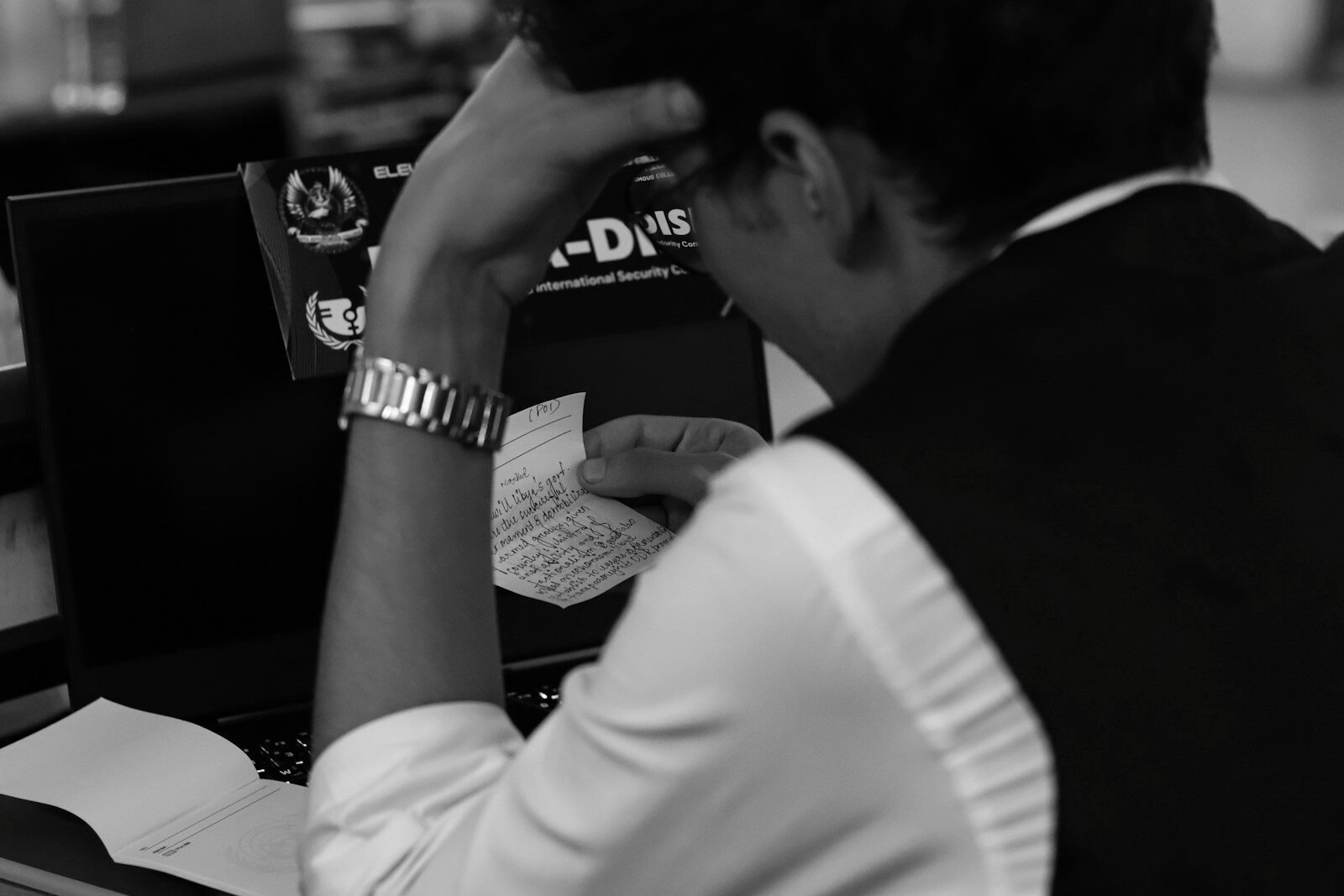
After work decompression is the process of intentionally shifting your mind and body from a work state to a relaxed, personal state. In today’s fast-paced work culture, many people finish their workday physically at home but mentally still remain stuck in emails, deadlines, and pressure.
A consistent after work decompression routine helps reduce stress, improve sleep, and restore focus for the next day. Without it, stress accumulates quietly and often shows up as fatigue, irritability, poor sleep, and burnout over time.
This guide explains how after work decompression works, why it matters, and the most effective daily habits to reduce stress in a realistic and sustainable way.
What Is After Work Decompression?
After work decompression is the transition period between professional responsibilities and personal life. It is not just “relaxing,” but a structured way of resetting your nervous system.
It involves:
- Reducing mental workload
- Releasing physical tension
- Shifting attention away from work problems
- Restoring emotional balance
Why After Work Decompression Is Important
Most people underestimate how much stress they carry home from work.
Without decompression:
- Stress builds up daily
- Sleep quality declines
- Focus becomes weaker
- Mood becomes unstable
With proper decompression:
- Stress levels drop naturally
- Energy recovery improves
- Productivity increases next day
- Mental clarity improves
The Science Behind Stress After Work
Work stress activates the body’s “fight or flight” system. This keeps cortisol (stress hormone) elevated.
Common effects:
- Tight muscles
- Mental overthinking
- Fatigue without rest
- Difficulty relaxing
Decompression helps activate the parasympathetic nervous system, which is responsible for rest and recovery.
Core Principles of Effective After Work Decompression
Before habits, understanding principles is important.
1. Separation of work and personal time
Your brain needs a clear boundary between work and home life.
2. Gradual transition
Switching instantly from high stress to relaxation is difficult. A transition phase is needed.
3. Consistency matters more than intensity
Small daily habits are more effective than occasional long relaxation sessions.
4. Active recovery works better than passive rest
Scrolling on a phone is not real recovery. The body needs intentional relaxation.
Effective After Work Decompression Habits
1. Create a “shutdown ritual”
A shutdown ritual signals the brain that work is finished.
Example steps:
- Finish last task
- Write tomorrow’s to-do list
- Close all work tabs
- Physically step away from workspace
Insider tip:
Writing tomorrow’s tasks reduces mental looping and overthinking after work.
2. Change your environment immediately
Your surroundings influence your mental state.
Actions:
- Change clothes after work
- Move to a different room
- Step outside for a short walk
This creates psychological separation from work mode.
3. Use a 10–20 minute walk
Walking is one of the simplest stress reducers.
Benefits:
- Lowers cortisol levels
- Improves mood
- Clears mental clutter
Expert insight:
Even slow walking after work has measurable effects on stress reduction.
4. Practice controlled breathing
Breathing exercises help reset the nervous system.
Simple method:
- Inhale for 4 seconds
- Hold for 4 seconds
- Exhale for 6–8 seconds
Repeat for 5–10 minutes.
5. Avoid instant screen consumption
Jumping into social media or news keeps the brain overstimulated.
Better alternative:
- Sit quietly for a few minutes
- Listen to calming music
- Focus on physical surroundings
6. Light physical activity
Gentle movement helps release tension.
Options:
- Stretching
- Yoga
- Light home workout
- Foam rolling
7. Shower as a reset tool
A warm shower helps signal transition from work to rest.
Why it works:
- Relaxes muscles
- Improves circulation
- Creates sensory reset
8. Eat a proper post-work meal
Food plays a role in stress recovery.
Best choices:
- Balanced meals with protein and vegetables
- Avoid heavy processed food
- Limit caffeine after work
9. Engage in non-work related hobbies
Hobbies help redirect attention away from stress.
Examples:
- Reading
- Drawing
- Gardening
- Cooking
10. Practice “no work talk” time
Avoid discussing work immediately after finishing.
Insider tip:
Even short conversations about work can restart stress cycles in the brain.
Building a Full After Work Decompression Routine
A structured routine is more effective than random habits.
1: Transition phase (0–30 minutes)
- Shutdown ritual
- Short walk
- Change clothes
2: Physical recovery (30–60 minutes)
- Shower
- Stretching
- Light movement
3: Mental reset (1–2 hours)
- Hobbies
- Relaxed activities
- Family time
4: Evening wind-down
- Low light environment
- Minimal screen use
- Relaxing music or reading
Common Mistakes in After Work Decompression
1. Using phone as primary relaxation tool
Scrolling does not reduce stress it delays recovery.
2. Skipping transition time
Jumping directly from work to rest confuses the brain.
3. Overloading evening schedule
Too many tasks prevent mental recovery.
4. Ignoring physical tension
Stress is stored in the body, not just the mind.
Insider Tips for Better Stress Reduction
- Keep work notifications off after working hours
- Use the same decompression routine daily for consistency
- Combine physical + mental relaxation methods
- Avoid multitasking during recovery time
- Track which habits actually reduce your stress levels
Example Daily After Work Decompression Routine
6:00 PM – End work
- Final task completion
- Shutdown ritual
6:15 PM – Transition
- Short walk
- Change clothes
6:45 PM – Physical reset
- Shower
- Stretching
7:30 PM – Relaxation
- Dinner
- Hobbies
9:00 PM – Wind down
- Low stimulation activities
- Prepare for sleep
Benefits of Consistent After Work Decompression
1. Better sleep quality
Reduced mental activity improves rest.
2. Lower anxiety levels
Stress does not accumulate daily.
3. Improved focus
Next-day productivity increases.
4. Emotional stability
Mood becomes more balanced.
5. Long-term burnout prevention
Consistent recovery protects mental health.
Final Thoughts
After work decompression is not a luxury it is a necessary part of maintaining mental and physical well-being in a high-pressure environment. Without it, stress builds silently and affects performance, health, and personal life.
A simple, consistent routine that includes transition habits, physical reset, and mental relaxation can significantly reduce stress levels. The key is not complexity but consistency.
Small daily habits create long-term resilience.