

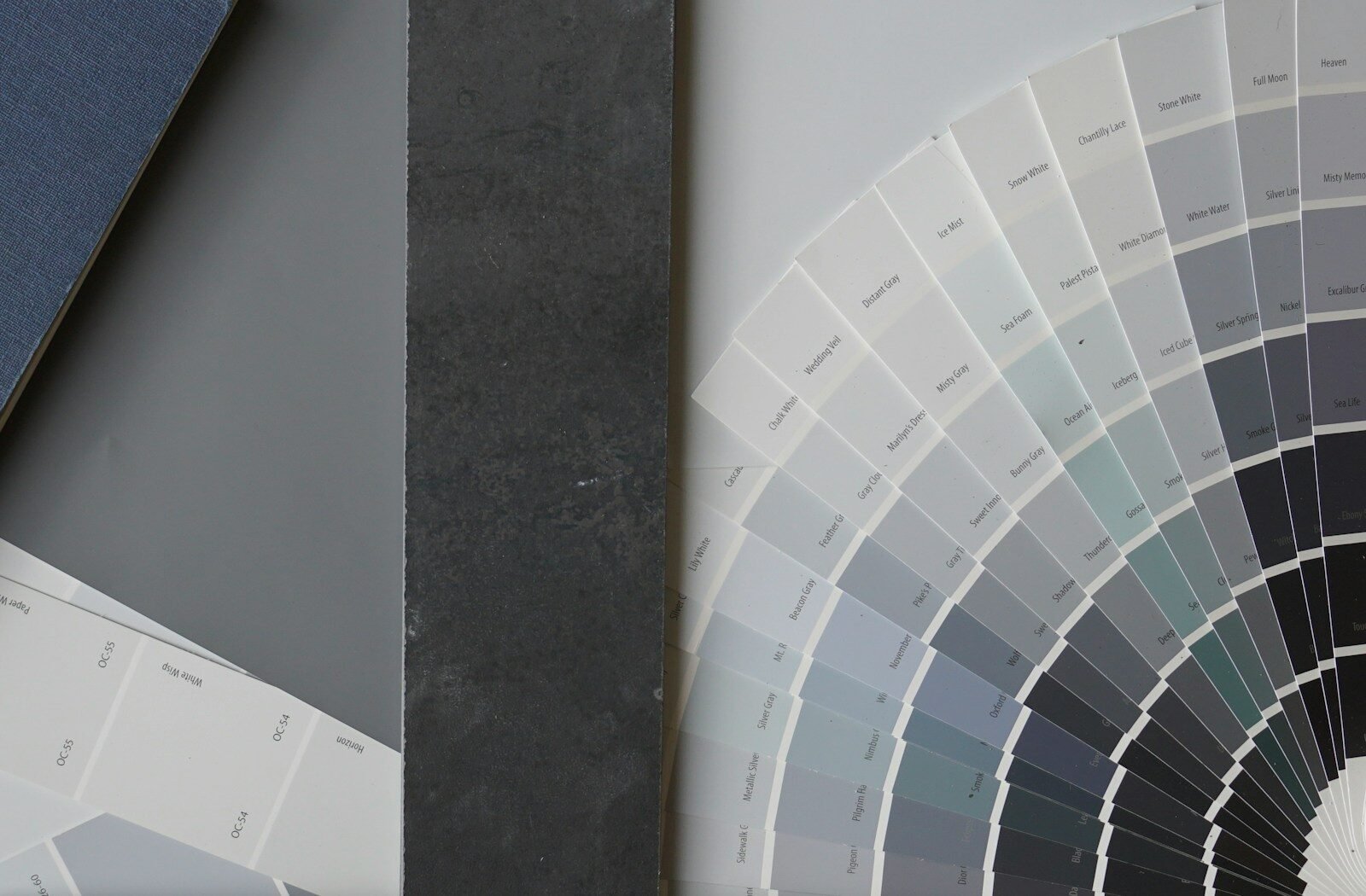
When building or renovating a home, understanding Builder-Grade vs Custom Finishes: Key Differences for Homeowners is essential for making smart design and budgeting decisions. This choice directly affects cost, durability, design flexibility, and long-term home value. Many homeowners focus on layouts and square footage but underestimate how much finishes influence daily living experience.
Many homeowners focus on layouts and square footage but underestimate how much finishes influence daily living experience. Materials like flooring, cabinets, countertops, doors, and trim determine not just how a home looks, but how it performs over time.
This guide breaks down builder-grade vs custom finishes in clear terms, explains real differences, and provides practical insights based on construction standards and interior design practices.
What Are Builder-Grade Finishes?
Builder-grade finishes are standard materials used in most new homes, especially in large-scale residential developments. They are selected to keep costs low while still meeting basic construction requirements.
These finishes are designed for:
- Mass production efficiency
- Lower upfront cost
- Quick installation
- Broad buyer appeal
Common examples of builder-grade finishes
- Laminate countertops
- Stock cabinets (pre-made sizes)
- Carpet or basic vinyl flooring
- Hollow-core interior doors
- Standard-grade fixtures (faucets, lighting)
- Basic trim and molding
Key characteristic
Builder-grade finishes prioritize affordability and speed over customization or premium durability.
What Are Custom Finishes?
Custom finishes are upgraded or fully tailored materials selected to match a homeowner’s specific design preferences and quality expectations.
These finishes are often used in:
- Custom-built homes
- High-end renovations
- Luxury interior design projects
Common examples of custom finishes
- Quartz, granite, or marble countertops
- Solid wood or custom-built cabinetry
- Hardwood or engineered wood flooring
- Designer lighting fixtures
- Custom trim, moldings, and wall paneling
- High-end plumbing fixtures
Key characteristic
Custom finishes focus on design flexibility, durability, and long-term value.
Builder-Grade vs Custom Finishes: Core Differences
Understanding the differences helps homeowners make better financial and design decisions.
1. Cost Difference
Builder-grade
- Lower upfront cost
- Included in base home price
- Budget-friendly installation
Custom finishes
- Higher material and labor cost
- Requires separate selection and design planning
- Can significantly increase total home budget
Insight
In many cases, upgrading finishes during construction is more cost-effective than remodeling later.
2. Quality and Durability
Builder-grade
- Designed for average usage
- May wear out faster
- Uses lower-cost materials
Custom finishes
- Built for long-term durability
- Higher resistance to wear and tear
- Often easier to repair or refinish
Insider tip
Cabinet quality is one of the biggest long-term differentiators. Custom solid wood cabinets can last decades longer than particleboard builder-grade units.
3. Design Flexibility
Builder-grade
- Limited color and style options
- Standard sizes only
- Minimal customization
Custom finishes
- Fully customizable designs
- Unique layouts and materials
- Tailored to home architecture
Example
A builder-grade kitchen may only offer three cabinet colors, while a custom kitchen can match exact wall tones, flooring, and lighting design.
4. Aesthetic Value
Builder-grade
- Simple, neutral look
- Designed to appeal to most buyers
- Less visual uniqueness
Custom finishes
- High-end visual appeal
- Unique design identity
- Strong architectural character
Homes with custom finishes often feel more “designed” rather than “standard built.”
5. Maintenance and Repairs
Builder-grade
- Easier to replace due to standard sizing
- May require more frequent repairs
- Lower replacement cost
Custom finishes
- Repairs may require specialized work
- Higher maintenance cost
- Longer lifespan reduces frequent replacement
6. Impact on Home Value
Builder-grade
- Neutral resale value
- Does not significantly increase property value
- Common in entry-level homes
Custom finishes
- Can increase property value
- Attracts premium buyers
- Strong selling point in competitive markets
Insight
Kitchen and bathroom upgrades have the highest return on investment when done with quality custom finishes.
Where Builder-Grade Finishes Are Commonly Used
Builder-grade materials are typically used in:
- Entry-level homes
- Large housing developments
- Rental properties
- Budget renovation projects
Typical areas
- Secondary bedrooms
- Hallways
- Utility areas
- Standard kitchens in base models
Where Custom Finishes Are Commonly Used
Custom finishes are often applied in:
- Kitchens
- Master bathrooms
- Living rooms
- Entry foyers
- Feature walls
These are high-visibility areas where design impact matters most.
Pros and Cons Summary
Builder-grade finishes
Pros:
- Lower cost
- Faster construction
- Easy to replace
- Suitable for budget homes
Cons:
- Limited design options
- Shorter lifespan
- Lower aesthetic appeal
Custom finishes
Pros:
- High design flexibility
- Better durability
- Increased home value
- Premium appearance
Cons:
- Higher cost
- Longer planning time
- More complex installation
How to Decide Between Builder-Grade and Custom Finishes
Choosing between the two depends on budget, lifestyle, and long-term plans.
Ask these questions:
- How long will I stay in this home?
- Is resale value important?
- Do I prioritize design or cost savings?
- Will I renovate later or invest upfront?
Practical approach used by experts:
Many homeowners use a hybrid strategy:
- Builder-grade for secondary spaces
- Custom finishes for high-impact areas
Insider Tips from Construction and Design Professionals
1. Upgrade kitchens and bathrooms first
These spaces influence resale value more than any other area.
2. Focus on “touch points”
Invest in items you use daily:
- Door handles
- Faucets
- Cabinets
- Flooring
3. Avoid over-upgrading low-use areas
Guest rooms or storage areas do not need premium finishes.
4. Check material warranty
Custom finishes often come with longer manufacturer warranties.
5. Match finishes with long-term lifestyle
Trendy designs may become outdated quickly. Neutral but high-quality materials age better.
Common Mistakes Homeowners Make
1. Choosing based only on appearance
Looks matter, but durability is equally important.
2. Ignoring installation quality
Even premium materials fail if poorly installed.
3. Over-customizing before resale planning
Highly personalized designs may reduce buyer interest later.
4. Underestimating maintenance costs
Custom finishes may require specialized care.
Real-World Example Comparison
Builder-grade home example
A new suburban home includes:
- Laminate counters
- Carpet flooring
- Standard white cabinets
Result:
- Affordable purchase price
- Basic aesthetic appeal
- Moderate durability
Custom finish upgrade example
Same home upgraded with:
- Quartz countertops
- Hardwood flooring
- Custom shaker cabinets
Result:
- Higher upfront cost
- Strong visual appeal
- Increased long-term value
Final Thoughts
The difference between builder-grade and custom finishes is not just about price it is about long-term strategy, lifestyle needs, and design priorities.
Builder-Grade vs Custom Finishes are practical, cost-effective, and suitable for standard housing needs. Custom finishes offer durability, personalization, and higher aesthetic value, but require more investment.
The most balanced approach is often a mix of both: keeping cost control where it matters and upgrading areas that define daily living experience.
A well-planned finish strategy improves not only how a home looks, but how it feels and performs over time.