

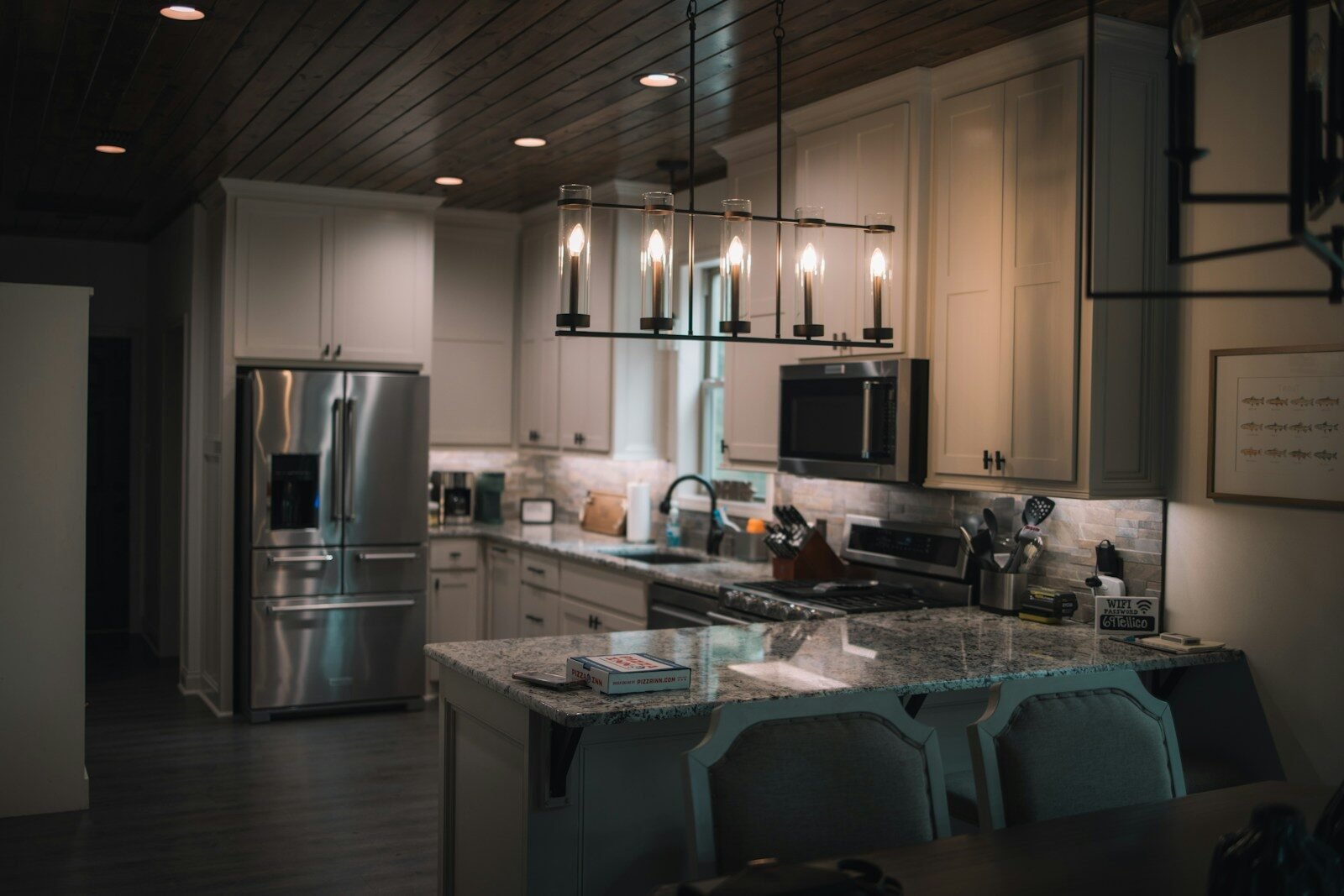
A kitchen remodel is one of the most valuable upgrades in a home, but electrical planning is often underestimated. A poorly designed electrical layout can lead to inconvenient outlet placement, insufficient lighting, and even safety risks.
A well-structured kitchen remodel electrical plan: wiring, lighting & layout tips ensures your kitchen is not only beautiful but also functional, safe, and future-ready. Electrical work is hidden behind walls, which makes early planning essential before cabinets, flooring, or countertops are installed.
This guide explains how to plan kitchen wiring, lighting zones, outlet placement, code considerations, and expert-level design strategies used in real renovation projects.
Why Electrical Planning Matters in a Kitchen Remodel
The kitchen is one of the most power-intensive areas in a home. It includes appliances, lighting, and multiple work zones that require careful electrical distribution.
Poor planning leads to:
- Outlets in the wrong places
- Overloaded circuits
- Dark or uneven lighting
- Expensive rework after installation
Good planning ensures:
- Smooth workflow
- Safe electrical load distribution
- Efficient cooking and cleaning experience
- Modern, clutter-free design
Understanding Kitchen Electrical Basics
Before designing your layout, it is important to understand how kitchen electrical systems work.
1. Circuits
A circuit is a path that delivers electricity to specific areas.
Common kitchen circuits:
- Refrigerator circuit
- Microwave circuit
- Dishwasher circuit
- Countertop appliance circuits
- Lighting circuits
Expert insight:
Modern kitchens often require multiple dedicated circuits to prevent overload and tripping breakers.
2. Load capacity
Each circuit has a maximum electrical load it can safely handle.
Key rule:
Heavy appliances must not share the same circuit with small devices.
3. Ground Fault Protection (GFCI)
GFCI outlets protect against electrical shock in wet areas.
Required locations:
- Near sinks
- Countertops
- Dishwashing zones
Kitchen Electrical Layout Planning
A proper layout is the foundation of a functional kitchen.
Step 1: Define kitchen zones
Divide the kitchen into functional zones:
- Cooking zone (stove, oven)
- Cleaning zone (sink, dishwasher)
- Storage zone (fridge, pantry)
- Preparation zone (countertops)
Step 2: Plan appliance placement first
Appliances determine electrical needs.
Key appliances:
- Refrigerator
- Oven
- Cooktop
- Dishwasher
- Microwave
Insider tip:
Always finalize appliance locations before planning wiring. Changing later increases cost significantly.
Wiring Planning for Kitchen Remodel
1. Dedicated circuits for major appliances
Each large appliance should have its own circuit.
Why it matters:
- Prevents overload
- Improves safety
- Ensures stable performance
2. Countertop outlet planning
Countertops need multiple outlets for daily use.
Recommended placement:
- Every 4 feet along countertop
- Near prep zones
- Away from sink splash areas
3. Hidden wiring strategy
Modern kitchens often hide wiring inside walls or cabinets.
Benefits:
- Clean design
- Reduced clutter
- Safer installation
Expert tip:
Plan outlet locations based on actual usage, not just code minimums.
Kitchen Lighting Electrical Plan
Lighting is one of the most important parts of kitchen design.
A well-lit kitchen improves safety, functionality, and aesthetics.
Types of kitchen lighting
1. Ambient lighting (general lighting)
Provides overall illumination.
Options:
- Ceiling lights
- Recessed lighting
- Flush mounts
2. Task lighting
Focused lighting for work areas.
Locations:
- Countertops
- Sink
- Stove
Options:
- Under-cabinet lights
- Pendant lights
3. Accent lighting
Used for design and mood.
Examples:
- Cabinet lighting
- Shelf lighting
- Decorative fixtures
Lighting layout strategy
A layered lighting approach works best:
Formula:
Ambient + Task + Accent = Balanced kitchen lighting
Insider tip:
Under-cabinet lighting is one of the most cost-effective upgrades for modern kitchens.
Outlet Placement Strategy
Outlet placement affects usability more than most homeowners realize.
1. Countertop outlets
Best practices:
- Install at regular intervals
- Avoid placing behind appliances only
- Include USB outlets if possible
2. Island outlets
Kitchen islands need special attention.
Options:
- Pop-up outlets
- Side-mounted outlets
- Floor outlets (if allowed)
3. Appliance-specific outlets
Each major appliance should have a dedicated outlet.
Electrical Code Considerations
Electrical work must follow safety codes.
Common requirements:
- GFCI protection in wet areas
- Proper grounding
- Correct wire gauge
- Safe breaker load limits
Expert insight:
Even if local codes vary, most modern kitchens follow similar safety standards based on national electrical guidelines.
Common Electrical Mistakes in Kitchen Remodels
1. Not planning early enough
Electrical planning should happen before construction begins.
2. Too few outlets
Modern kitchens require more outlets than older designs.
3. Poor lighting distribution
Single ceiling light is not enough for functional kitchens.
4. Ignoring future needs
Smart appliances and devices require extra capacity.
5. Overloading circuits
Mixing heavy appliances on one circuit causes failures.
Step-by-Step Kitchen Electrical Planning Process
Step 1: Sketch kitchen layout
Mark appliances, counters, and zones.
Step 2: Identify power needs
List all appliances and devices.
Step 3: Plan circuits
Assign dedicated circuits to heavy appliances.
Step 4: Design lighting zones
Divide lighting into ambient, task, and accent.
Step 5: Finalize outlet positions
Ensure accessibility and safety.
Step 6: Coordinate with contractor
Electrical plan must align with plumbing and cabinetry.
Cost Considerations
Electrical work is a significant part of kitchen remodeling costs.
Average range:
- Basic wiring: $1,000–$3,000
- Full kitchen rewiring: $3,000–$8,000+
- High-end smart kitchen systems: $8,000+
Insider tip:
Upgrading electrical systems during remodel is cheaper than retrofitting later.
Smart Kitchen Electrical Upgrades
Modern kitchens increasingly use smart systems.
Popular upgrades:
- Smart lighting controls
- Motion-sensor lights
- Smart plugs
- Energy monitoring systems
Energy Efficiency Tips
1. Use LED lighting
LEDs consume less energy and last longer.
2. Install dimmers
Adjust lighting based on time and activity.
3. Optimize appliance usage
Energy-efficient appliances reduce load on circuits.
Safety Tips for Kitchen Electrical Work
- Always hire licensed electricians
- Turn off power during installation
- Use proper circuit breakers
- Avoid DIY wiring for major systems
Insider Tips from Professionals
- Plan extra outlets—you will always need more later
- Place outlets slightly above backsplash height for accessibility
- Combine lighting layers for better visual depth
- Use separate switches for different lighting zones
- Label all circuits clearly in the breaker panel
Final Thoughts
A successful kitchen remodel depends heavily on a well-designed electrical plan. Wiring, lighting, and outlet placement must be carefully coordinated before construction begins to avoid costly mistakes later.
A strong kitchen remodel electrical plan: wiring, lighting & layout tips focuses on safety, usability, and future flexibility. When done correctly, it transforms a kitchen into a highly functional and modern space that supports everyday life efficiently.
Good planning today prevents expensive fixes tomorrow and ensures your kitchen performs as beautifully as it looks.