

Have you ever woken up and felt like someone stuffed cotton in your ears overnight? Or maybe you stepped off a long flight and suddenly every sound around you seemed like it was coming through a wall? Muffled hearing is one of those symptoms that is easy to brush off — until it isn’t.
The truth is, muffled hearing can range from something completely harmless (like a little wax buildup) to an early warning sign of something that deserves a doctor’s attention. Either way, you deserve clear answers. This guide walks you through everything you need to know: what causes that muffled, underwater sound in your ears, what you can safely do at home, and when it is time to make that phone call to a healthcare provider.
What Does Muffled Hearing Actually Mean?
Muffled hearing is not a diagnosis — it is a symptom. It is that sensation where sounds feel distant, dampened, or distorted, as if you are hearing the world through a thick blanket. It can happen in one ear or both, come on suddenly or gradually, and last for a few minutes or linger for weeks.
Medically, this kind of hearing change often falls under the umbrella of conductive hearing loss (when something physically blocks sound from reaching your inner ear) or sensorineural hearing loss (when the inner ear or auditory nerve itself is affected). Understanding which one you are dealing with matters enormously, because the remedies are completely different.
Common Causes of Muffled Hearing
Before you can fix it, you need to understand what is causing it. Here are the most frequent culprits:
1. Earwax Buildup (Cerumen Impaction)
This is by far the most common reason people experience muffled hearing, and the good news is it is almost always fixable. The American Academy of Otolaryngology estimates that earwax impaction accounts for approximately 12 million medical visits in the United States each year. Your ears are self-cleaning — but sometimes, especially with regular earphone or earbud use, wax accumulates faster than it clears out.
2. Fluid in the Middle Ear (Otitis Media with Effusion)
Known colloquially as “glue ear,” this is when fluid builds up behind the eardrum without a full-blown infection. It is extremely common in children but happens in adults too, often after a cold or upper respiratory infection. The fluid dampens vibrations and muffles sound noticeably.
3. Eustachian Tube Dysfunction
Your Eustachian tube connects your middle ear to the back of your throat, and its job is to equalize pressure. When it gets congested — from allergies, a cold, or sinus issues — it cannot do that job, and the resulting pressure imbalance sounds (and feels) like your ears are plugged. Frequent flyers across the US know this feeling all too well.
4. Sinus Congestion and Allergies
Seasonal allergies hit millions of Americans hard every spring and fall. When your sinuses are inflamed and congested, the pressure transfers to your ear canal and middle ear, creating that familiar muffled, full feeling.
5. Sudden Sensorineural Hearing Loss (SSHL)
This one is urgent. SSHL — sometimes called sudden deafness — involves a rapid loss of hearing, typically in one ear, that can happen over a few hours or up to three days. It is considered a medical emergency. According to the National Institute on Deafness and Other Communication Disorders (NIDCD), approximately 66,000 new cases are diagnosed in the US annually, though the actual number is believed to be much higher since many people wait too long to seek care.
6. Noise-Induced Hearing Damage
Concerts, construction zones, lawn equipment — prolonged or sudden exposure to loud noise can temporarily or permanently dull your hearing. A temporary threshold shift after a loud event can leave you with muffled sound for hours, but repeated exposure can make that damage permanent.
7. Ear Infections (Otitis Externa or Media)
Whether it is swimmer’s ear (outer ear infection) or a middle ear infection, inflammation and fluid can physically block sound transmission. These are typically accompanied by pain, pressure, or fever.
8. Medications (Ototoxic Drugs)
Certain medications are known to damage the inner ear as a side effect. These include high-dose aspirin, some chemotherapy drugs, loop diuretics, and certain antibiotics. If you started a new medication and noticed a change in your hearing, mention it to your prescribing doctor immediately.
Simple Home Remedies for Muffled Hearing
Not every case of muffled hearing requires a trip to the doctor. Here are safe, evidence-based approaches you can try at home — with a few important cautions included.
Try the Valsalva Maneuver (Ear Popping)
If your muffled hearing is from pressure (like after a flight or during allergy season), the Valsalva maneuver can bring quick relief. Here is how: pinch your nose shut, close your mouth, and very gently blow as if you are trying to blow your nose — but nothing comes out. You should feel your ears “pop” as the Eustachian tubes open. Do this gently. Forcing it hard can rupture the eardrum in rare cases.
Use Over-the-Counter Earwax Softening Drops
If wax buildup is likely the cause, carbamide peroxide ear drops (available at most US pharmacies under brand names like Debrox or Murine Ear) can soften and loosen earwax safely. Tilt your head, apply the recommended drops, and let them sit for a few minutes before draining. Repeat for several days as directed.
What NOT to do: Avoid cotton swabs (Q-tips) inside the ear canal. This is a critical point that audiologists repeat endlessly — swabs push wax deeper and can scratch or damage the ear canal lining. The only part of the ear you should clean with a cotton swab is the outer ear.
Steam Inhalation
For congestion-related muffled hearing, steam can help open up the Eustachian tube and sinus passages. Lean over a bowl of hot (not boiling) water with a towel draped over your head and breathe in deeply for 10–15 minutes. Adding a drop or two of eucalyptus oil is optional but can feel soothing.
Stay Hydrated
Thin mucus moves more freely. If you are fighting a cold or allergies and your ears feel stuffed, drinking plenty of water throughout the day helps keep mucus thinner and less likely to clog the Eustachian tube.
Warm Compress
Placing a warm (not hot) heating pad or a warm, damp cloth against your ear can help ease discomfort from pressure and encourage fluid to drain. This works especially well for ear pain associated with congestion.
OTC Decongestants and Antihistamines
For allergy- or cold-related muffled hearing, an over-the-counter decongestant (like pseudoephedrine-containing Sudafed) or an antihistamine (like loratadine/Claritin or cetirizine/Zyrtec) can reduce the underlying inflammation. Keep in mind that decongestants are not appropriate for everyone — those with high blood pressure should check with a pharmacist or doctor first.
When Home Remedies Are Not Enough: Medical Treatments
Some causes of muffled hearing require professional diagnosis and treatment. Here is what the medical toolkit looks like:
Professional Ear Irrigation and Microsuction
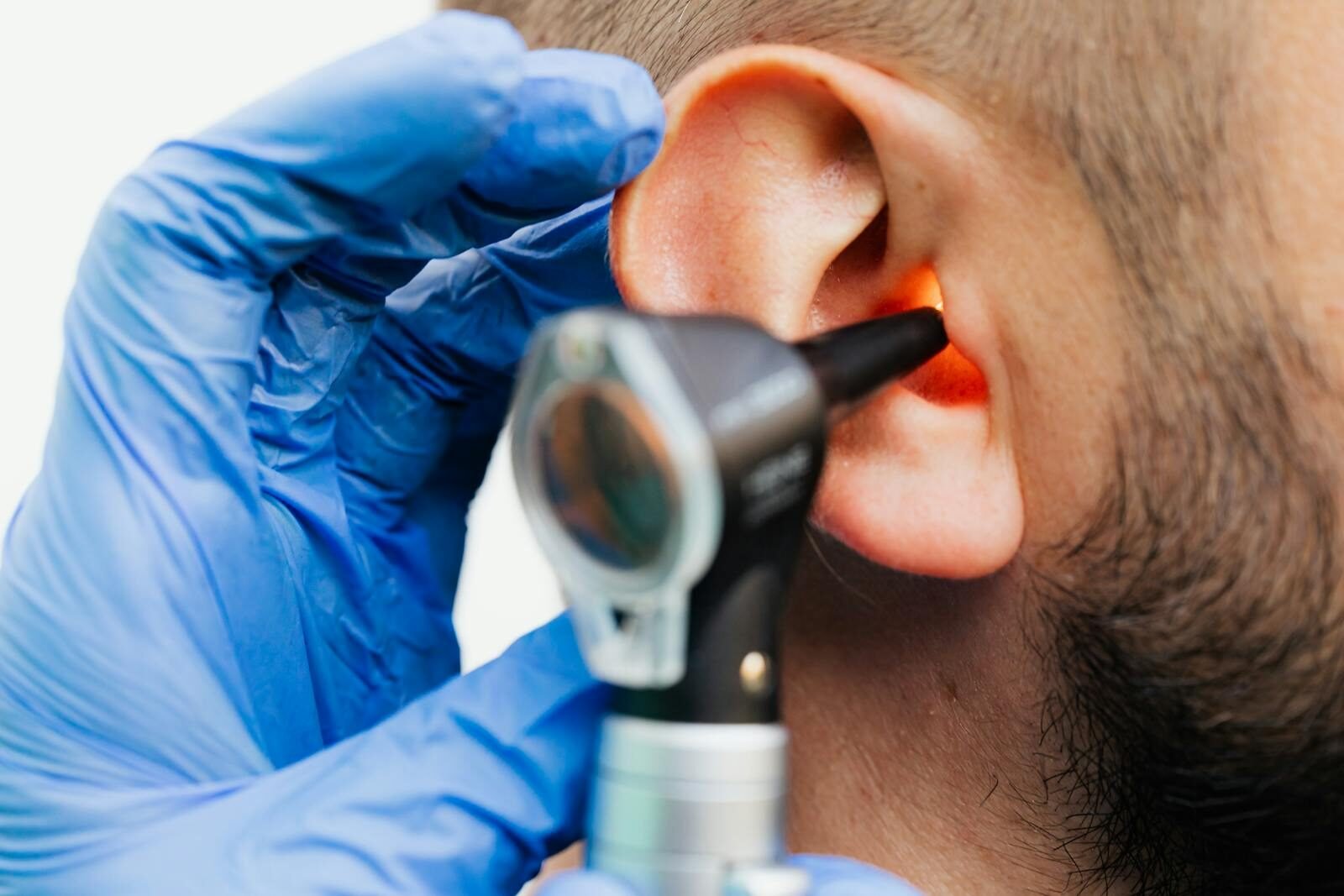
If home drops have not cleared significant wax buildup, your primary care physician or an ENT (ear, nose, and throat specialist) can irrigate the ear canal with warm water or, more precisely, use microsuction — a gentle vacuum technique that is safer for people with perforated eardrums or ear anatomy that makes irrigation risky. Many audiology clinics across the US now offer microsuction as a standard service.
Antibiotics for Ear Infections
If a bacterial ear infection is the culprit, oral antibiotics or antibiotic ear drops are the standard treatment. It is worth noting that the American Academy of Pediatrics recommends a “watchful waiting” approach for mild ear infections in children before prescribing antibiotics — but adults with persistent symptoms should be evaluated.
Nasal Steroid Sprays
For Eustachian tube dysfunction driven by allergies or chronic sinus issues, prescription or OTC nasal corticosteroid sprays (like fluticasone/Flonase) can significantly reduce inflammation in the nasal passages, helping the tube open and equalize pressure. These are safe for long-term use when used as directed.
Pressure Equalization (PE) Tubes
In cases where fluid keeps returning to the middle ear despite treatment, a brief outpatient surgical procedure inserts tiny tubes (tympanostomy tubes) through the eardrum to allow fluid to drain continuously. This is more commonly done in children but is also performed in adults with recurrent issues.
Corticosteroids for SSHL — Time Is Everything
If you are experiencing sudden hearing loss, treatment with oral corticosteroids (typically prednisone) is most effective when started within 72 hours of symptom onset. This is why sudden muffled or reduced hearing in one ear should never be waited out at home. Head to an urgent care clinic or emergency room, not your scheduled appointment next week. Every hour matters.
Hearing Aids and Assistive Devices
For people with chronic or permanent sensorineural hearing loss, modern hearing aids have come a long way. In 2024 and 2025, the FDA’s over-the-counter hearing aid regulations (which took effect in 2022) have made quality hearing aids significantly more accessible and affordable for Americans with mild-to-moderate hearing loss. Brands like Jabra Enhance, Sony CRE, and Lexie offer OTC options without a prescription, while audiologist-fitted devices remain the gold standard for moderate-to-severe loss.
Cochlear Implants
For severe-to-profound sensorineural hearing loss that hearing aids cannot adequately address, cochlear implants are an increasingly common and highly effective solution. Over 90,000 cochlear implant surgeries are performed in the US each year. Modern devices provide remarkable sound clarity and can be transformative for quality of life.
How to Know If Your Muffled Hearing Is an Emergency
Most cases of muffled hearing are not emergencies — but some are. Seek immediate medical attention if you experience:
- Sudden hearing loss in one or both ears with no obvious cause (no wax, no congestion, no loud noise exposure)
- Muffled hearing accompanied by severe dizziness or vertigo
- Hearing changes alongside sudden facial numbness, drooping, or difficulty speaking (these may indicate a stroke — call 911)
- Significant hearing loss after a head injury
- Hearing changes along with ringing (tinnitus) that came on suddenly and intensely
- Any hearing loss that does not improve within 48 hours with home remedies
Preventing Muffled Hearing Before It Starts
Prevention does not get talked about enough. Here are practical habits that audiologists and ENTs consistently recommend:
Protect your ears from noise. The CDC recommends wearing earplugs or noise-canceling earmuffs whenever you are exposed to sounds above 85 decibels — roughly the volume of a lawnmower or heavy traffic. Concerts, construction sites, and shooting ranges all qualify.
Manage allergies proactively. If you have seasonal allergies, starting your antihistamine or nasal spray before allergy season peaks is far more effective than waiting until you are already congested. Talk to an allergist about immunotherapy if allergies consistently affect your hearing or quality of life.
Limit earbud use at high volumes. The World Health Organization estimates that 1.1 billion young people worldwide are at risk of noise-induced hearing loss from unsafe personal audio use. A good rule of thumb: keep volume at or below 60% on your device, and take listening breaks every 60 minutes.
Stay current with hearing screenings. Adults over 50 should have their hearing checked every three years at minimum, according to most audiological guidelines. If you are in a noisy occupation (construction, music, military service), annual screenings are wise. Many audiologists in the US offer free or low-cost hearing screenings.
Do not ignore ear fullness. A sense of fullness or pressure that lasts more than a week deserves a professional look. Catching Eustachian tube problems or early infections early means simpler, less invasive treatment.
Finding the Right Specialist in the USA
If home remedies are not cutting it, here is a quick guide to who can help:
- Primary Care Physician (PCP): Great first stop for most ear-related complaints, wax removal, and infections
- ENT (Otolaryngologist): The specialist for persistent, complex, or structural ear problems
- Audiologist: The expert for formal hearing testing, hearing aids, and long-term hearing health management
- Allergist/Immunologist: If allergies are the root cause, getting them under control at the source prevents ear symptoms from recurring
Most US insurance plans — including Medicare and Medicaid — cover ENT visits and hearing evaluations when medically necessary. The NIDCD’s hearing health resources are an excellent starting point for understanding your options and finding accredited specialists.
You may also find it helpful to read our guide on understanding tinnitus and hearing changes to learn more about related hearing symptoms and when they overlap with muffled hearing.
The Bottom Line
Muffled hearing is common, often temporary, and in many cases easily addressed with simple at-home steps. Warm steam, earwax drops, the Valsalva maneuver, and decongestants handle the majority of everyday cases. But this symptom also has a serious side that cannot be ignored — sudden sensorineural hearing loss, in particular, is a medical emergency where every hour of delay can mean permanent hearing loss.
Listen to your body — quite literally. If your hearing has felt off for more than a week, if it came on suddenly without a clear reason, or if it is getting worse rather than better, make that appointment. Your hearing is one of your most irreplaceable senses, and protecting it is always worth the effort.