

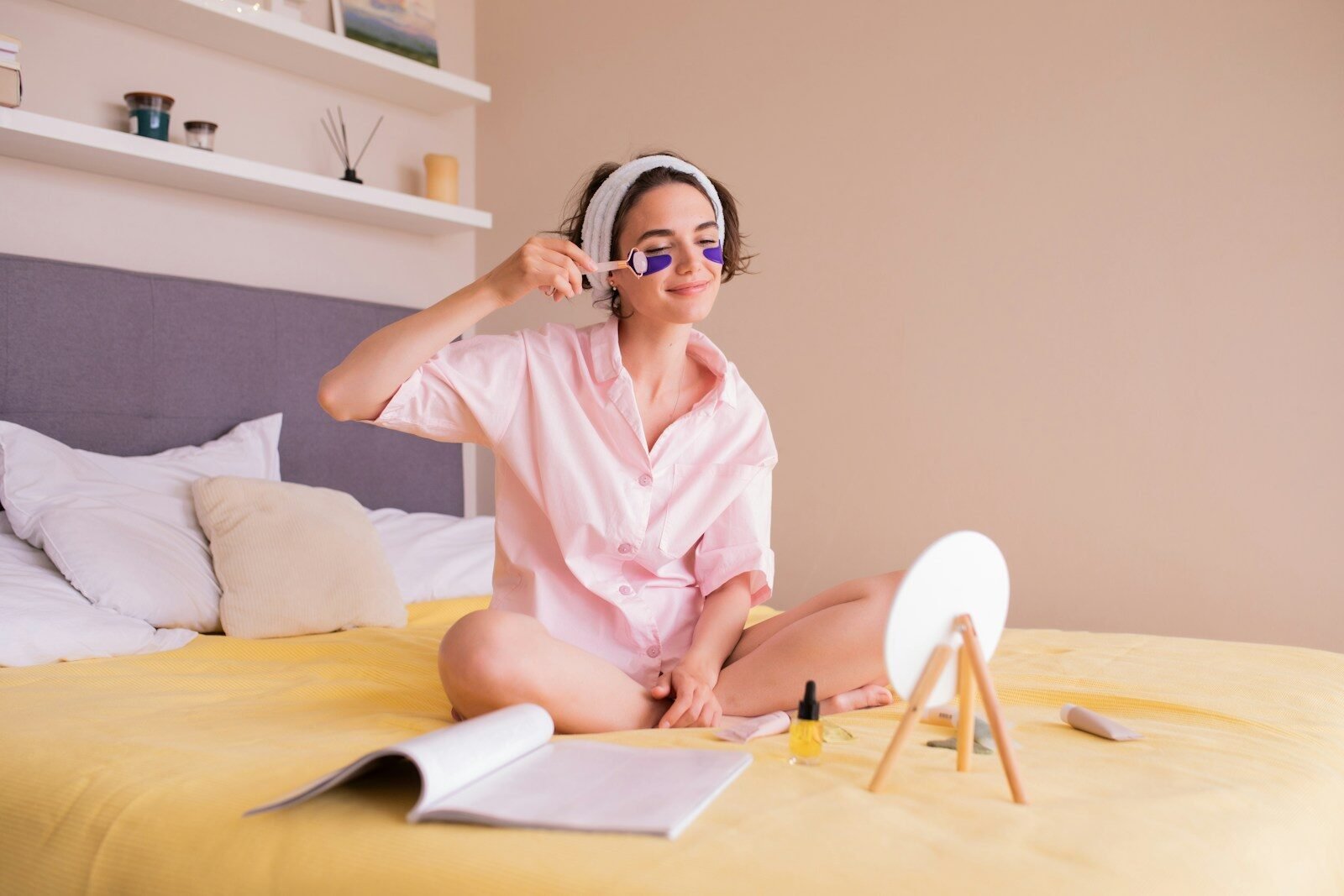
If you’ve spent any time scrolling through skincare communities on Reddit, TikTok, or even your local Facebook dermatology group, you’ve probably noticed two ingredients showing up together a lot lately: hypochlorous acid and retinol. One is the internet’s favorite gentle mist for sensitive and acne-prone skin. The other is the gold-standard anti-aging powerhouse that dermatologists have been recommending for decades.
So, can you actually use them together — or will combining them wreck your skin barrier and set your routine back by weeks?
The short answer is yes, you can use hypochlorous acid with retinol — but how and when you layer them matters a lot. Let’s break it all down.
What Is Hypochlorous Acid, Exactly?
Hypochlorous acid (HOCl) is a naturally occurring molecule that your own white blood cells produce to fight infection. In skincare, it’s synthesized in low concentrations (typically 0.01% to 0.02%) and packaged into facial mists and toners.
It works as a mild antimicrobial and anti-inflammatory agent, which makes it particularly popular for:
- Calming redness and irritation after procedures like microneedling or laser treatments
- Managing acne-prone or sensitive skin
- Soothing eczema flare-ups and rosacea
- Prepping the skin before and after makeup
Brands like Tower 28, Briotech, and HOCL Labs have become household names in the U.S. skincare market, and you’ll find their products at Sephora, Target, and Ulta Beauty stores nationwide. What makes HOCl unique is its near-neutral pH (around 5 to 6.5), which keeps it gentle enough for even the most reactive skin types.
What Is Retinol — and Why Is It So Popular?
Retinol is a form of Vitamin A and one of the most well-researched skincare ingredients on the market. It works by speeding up cell turnover, stimulating collagen production, and encouraging the skin to shed dead cells faster. Over time, consistent use visibly reduces fine lines, fades hyperpigmentation, and minimizes the appearance of pores.
But here’s the catch: retinol is also notoriously harsh when you first start using it. The so-called “retinol uglies” — a period of dryness, flaking, and temporary breakouts — can last anywhere from two to six weeks as your skin adjusts.
That’s exactly where hypochlorous acid has found its niche in 2025 and 2026 routines.
Can You Use Hypochlorous Acid with Retinol?
Yes, and many board-certified dermatologists in the United States actively encourage pairing them — with a few caveats.
The concern with mixing active ingredients usually comes down to pH conflicts and chemical interactions. Retinol works best in a slightly acidic environment (around pH 5 to 6), and hypochlorous acid sits comfortably in a similar range. Unlike stronger acids such as glycolic acid (pH 3 to 4) or ascorbic acid (Vitamin C), HOCl won’t destabilize retinol or push your skin’s pH into territory that causes irritation.
Dr. Shereene Idriss, a board-certified dermatologist based in New York City and a trusted voice in evidence-based skincare, has noted that gentle, pH-balanced mists can actually help calm the inflammation that retinol sometimes triggers — making them a sensible pairing rather than a problematic one.
The American Academy of Dermatology (AAD) also supports a “less is more” philosophy when introducing new actives alongside retinol, recommending that patients focus on barrier-supporting, non-irritating companions — and hypochlorous acid fits that description well. You can review their official guidance on retinol use at aad.org.
How to Layer Hypochlorous Acid and Retinol Correctly
Getting the layering order right is what separates a routine that works from one that leaves your face red and peeling.
Morning Routine
Hypochlorous acid is versatile enough to use in the morning, especially if you deal with overnight congestion, post-workout inflammation, or reactive skin. Here’s a simple, effective morning order:
- Cleanse with a gentle, pH-balanced cleanser
- Mist your face with hypochlorous acid and let it absorb for 30 to 60 seconds
- Apply your vitamin C serum or niacinamide (if you use either)
- Moisturize
- Sunscreen (non-negotiable, especially when using retinol at night)
Evening Routine
This is where most people using both ingredients will want to pay close attention.
- Double cleanse if you’re wearing SPF or makeup
- Mist with hypochlorous acid on damp skin — this is key. It helps settle any irritation from the day, reduces surface bacteria, and preps skin for the next step
- Wait 60 seconds for the mist to dry completely
- Apply your retinol — start with a pea-sized amount for the whole face
- Moisturize on top to lock everything in and buffer any potential sensitivity
Some people prefer the “sandwich method” — moisturize first, apply retinol, then moisturize again on top. If your skin is particularly sensitive, you can mist with HOCl after retinol as well, though most dermatologists suggest waiting at least 20 minutes before adding anything on top of a freshly applied retinol product.
The Benefits of Combining These Two Ingredients
When you use hypochlorous acid alongside retinol, you’re essentially building a routine that addresses the most common complaints people have about starting retinol:
Reduced Purging Irritation: HOCl’s anti-inflammatory properties can help calm the redness and reactive flares that often come with the adjustment period of a new retinol.
Antibacterial Protection: Retinol increases cell turnover, which can temporarily leave pores more exposed. HOCl keeps surface bacteria in check during this vulnerable window.
Barrier Support: Because HOCl is so gentle, it doesn’t strip or compromise your skin barrier — unlike some toners and mists that contain alcohol or fragrance. This matters enormously when you’re using a drying active like retinol.
Post-Procedure Recovery: If you’ve had a chemical peel, laser resurfacing, or microneedling at a medical spa — all increasingly popular services in U.S. cities like Los Angeles, Miami, Chicago, and Austin — your provider may recommend HOCl as part of your post-treatment protocol alongside eventual retinol reintroduction.
Who Should Be Careful?
While this pairing is generally well-tolerated, there are some situations where extra caution is warranted.
Beginners to retinol: If you’ve never used retinol before, get your skin adjusted to it first before adding anything new to the mix. Introduce HOCl and retinol in separate weeks so you can identify which ingredient causes a reaction if something goes wrong.
Prescription-strength retinoids: If you’re using tretinoin (available by prescription in the U.S.) or a stronger retinoid like tazarotene, your skin may be more sensitive. Stick to using HOCl only after your skin has fully absorbed the retinoid and only if your dermatologist has signed off.
Active eczema or open skin: If you’re experiencing a severe eczema flare or have broken skin, consult a dermatologist before adding any new topical to your routine, even one as gentle as HOCl.
Allergies or sensitivities to chlorine-based products: Though uncommon, some individuals do experience reactions. Always patch test on your inner arm for 24 to 48 hours before applying a new HOCl product to your face.
What the Research Says in 2026
The scientific literature on topical hypochlorous acid has grown considerably over the past few years. Studies published in journals like the Journal of Clinical and Aesthetic Dermatology have highlighted HOCl’s effectiveness in reducing Staphylococcus aureus — a bacteria heavily implicated in eczema and acne — on the skin’s surface without disrupting the microbiome balance.
On the retinol side, it remains one of the few skincare ingredients with decades of randomized controlled trial data supporting its anti-aging and acne-reducing effects. The combination hasn’t been the subject of large-scale clinical trials as of early 2026, but dermatologists working in clinical practice consistently report positive outcomes when patients use a gentle HOCl mist as part of a retinol-inclusive routine.
Best Hypochlorous Acid Products to Pair with Retinol (2026)
Here are some well-regarded options available across the U.S. right now:
- Tower 28 SOS Daily Rescue Facial Spray — widely available at Sephora; beloved by sensitive skin communities nationwide
- Briotech Topical Skin Spray — found at many Walmart and Amazon storefronts; a budget-friendly favorite
- Acne.org Hypochlorous Spray — popular in the acne-focused skincare community
- Prequel Skin Mist — a newer entrant that’s gaining traction in the professional skincare space
For retinol, pairing any of these with a buffered retinol like RoC Retinol Correxion or La Roche-Posay Redermic R is a solid starting point for beginners.
Quick-Reference Skincare Layering Cheat Sheet
| Step | Morning | Evening |
|---|---|---|
| 1 | Gentle Cleanser | Double Cleanse |
| 2 | HOCl Mist | HOCl Mist |
| 3 | Vitamin C or Niacinamide | Retinol |
| 4 | Moisturizer | Moisturizer |
| 5 | SPF 30+ | Optional: Face Oil |
Frequently Asked Questions
Can I use hypochlorous acid right before retinol? Yes. Apply HOCl mist on clean skin, let it dry for 60 seconds, then apply your retinol. This is one of the most common and well-tolerated layering sequences.
Will hypochlorous acid neutralize or deactivate retinol? No. HOCl and retinol don’t chemically interfere with each other. Their pH ranges are compatible, and there’s no known interaction that would degrade either ingredient.
How often should I use both? Start by using retinol two to three nights per week. You can use HOCl daily — both morning and evening — as it’s gentle enough for frequent use.
Is hypochlorous acid safe during pregnancy? HOCl is generally considered safe, but retinol is not recommended during pregnancy. Always consult your OB-GYN or dermatologist if you’re pregnant or breastfeeding.
Can teenagers use hypochlorous acid with retinol? Teens dealing with acne can benefit from HOCl, but retinol is typically more appropriate for adults in their mid-20s and beyond. A pediatric dermatologist’s guidance is recommended for younger users.
The Bottom Line
Hypochlorous acid and retinol aren’t just compatible — they can genuinely complement each other. HOCl’s soothing, antibacterial properties make it a smart addition to any retinol routine, helping to buffer the adjustment period and keep inflammation in check without interfering with how retinol works.
If you’re building or refining your skincare routine in 2026, this pairing is worth exploring, particularly if you’ve struggled with retinol sensitivity in the past. Apply HOCl first, let it dry, then follow with your retinol in the evening — and always, always wear SPF during the day.
For a deeper dive into how to introduce retinol into your routine for the first time, check out our Beginner’s Guide to Retinol for a step-by-step walkthrough.