

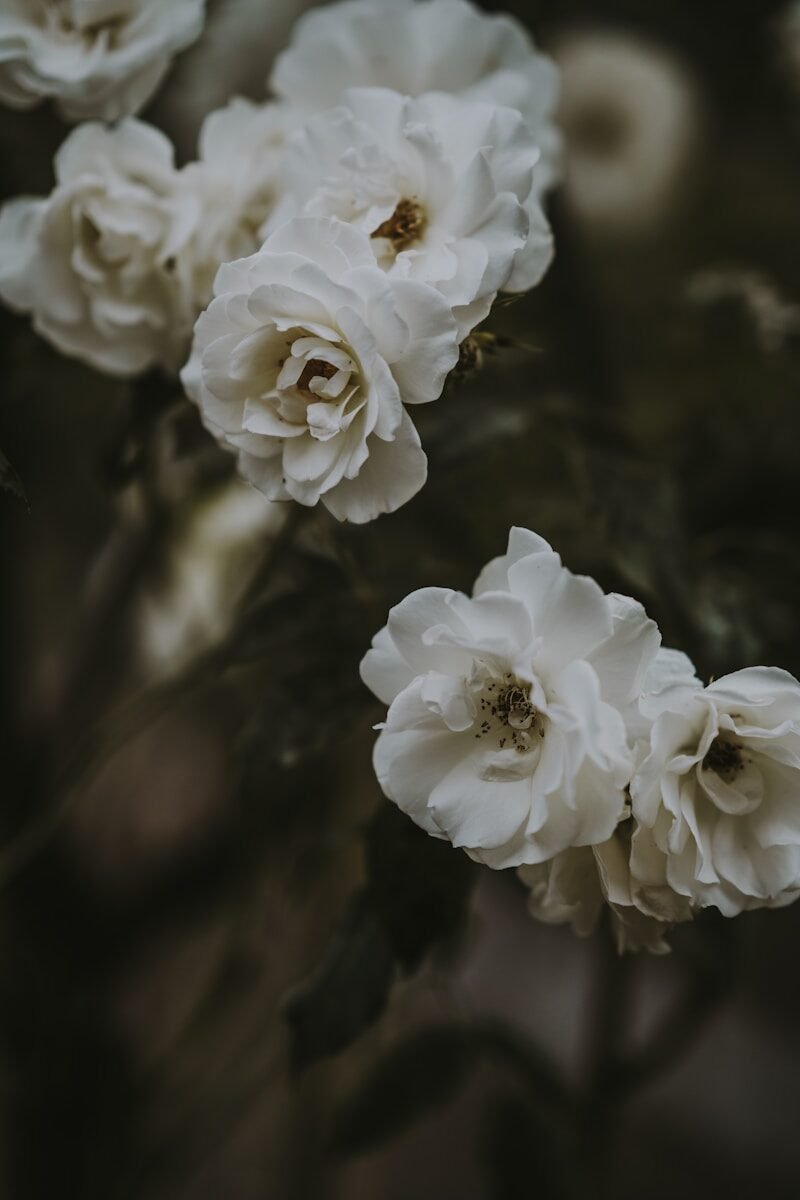
There is something quietly powerful about a white garden. No color dominates, no hue competes — just clean, luminous blooms that seem to glow in the early morning or hold their beauty long after dusk. From the cottage gardens of New England to sun-drenched backyards in the Pacific Southwest, white flowers have anchored elegant outdoor spaces for generations.
Whether you are designing a dedicated white garden inspired by Vita Sackville-West’s famous White Garden at Sissinghurst, or simply adding a calming focal point to your existing landscape, this guide gives you everything you need to choose, plant, and care for the best white flowers available to American gardeners in 2026.
Why White Flowers Work in Any Garden Style
White is not a neutral choice — it is a design decision. White flowers reflect light, making small spaces feel larger and evening gardens come alive under moonlight. They pair effortlessly with every other color and act as a visual rest stop for the eye in complex plantings.
From a practical standpoint, white flowers also tend to be exceptionally versatile across USDA hardiness zones. Many of the varieties discussed here perform beautifully from the humid Southeast to the cooler zones of the Pacific Northwest and the mountainous interior of the Rocky Mountain states.
Gardening experts and horticultural societies consistently recommend white-themed gardens for homeowners looking to increase curb appeal, create a meditation or reading nook, or simply cultivate a sense of peace outside their back door.
1. White Hydrangeas (Hydrangea paniculata ‘Limelight Prime’ and Others)
If there is one white flower that dominates American residential gardens right now, it is the hydrangea. The panicle hydrangea varieties — especially ‘Limelight Prime,’ ‘Incrediball,’ and the classic ‘Annabelle’ — have surged in popularity across the Midwest, Mid-Atlantic, and New England regions for good reason.
Why grow them: White hydrangeas are remarkably low-maintenance, tolerant of summer heat, and produce enormous, show-stopping blooms from midsummer through early fall. They also dry beautifully on the stem, providing winter interest without any extra effort.
Growing tips for USA gardeners: – Best suited for USDA Zones 3–9, making them one of the most geographically flexible choices on this list. – Plant in full sun to part shade. In states like Texas and Arizona, afternoon shade is non-negotiable to avoid scorched blooms. – Prune panicle hydrangeas in late winter or early spring before new growth emerges. – In the humid Southeast (Georgia, the Carolinas, Louisiana), ensure excellent drainage to prevent root rot.
Actionable insight: If you are gardening in the Mid-Atlantic or Great Lakes region, pair ‘Incrediball’ hydrangeas with white coneflowers (Echinacea) and ornamental grasses for a low-water, high-impact planting that peaks in August.
2. White Peonies (Paeonia lactiflora)
Few flowers carry the same cultural weight as the peony. Associated with prosperity, romance, and refined beauty, white peonies like ‘Duchesse de Nemours,’ ‘Festiva Maxima,’ and the newer ‘Bartzella’ intersectional hybrid are perennial staples in formal and cottage gardens alike.
Why grow them: White peonies bloom in late spring (typically May through early June across most of the continental USA) and are extraordinarily long-lived — a well-established peony plant can bloom for 50 years or more with minimal intervention.
Growing tips for USA gardeners: – Peonies need a period of winter cold (vernalization) to bloom reliably. They are ideal for USDA Zones 3–8 and thrive particularly well in states like Illinois, Ohio, Michigan, Minnesota, and Virginia. – Plant the eyes (buds) no more than one to two inches below the soil surface. Planting too deep is the number one reason peonies fail to bloom. – In warmer zones (9 and above), choose early-blooming varieties and select a location with cooler microclimates when possible.
Actionable insight: If you want fragrant white peonies that also perform as cut flowers, ‘Duchesse de Nemours’ is arguably the most reliable choice for the vast majority of American home gardens. It has been in cultivation since 1856 and continues to outperform many modern introductions.
3. White Roses (Rosa)
No discussion of white flowering plants would be complete without roses. The symbolism of white roses — purity, new beginnings, remembrance — transcends cultural boundaries, and their garden value is undeniable.
For modern American gardeners who want beauty without the high-maintenance reputation that old rose varieties earned, several disease-resistant white rose series are now available.
Top varieties to consider in 2026: – ‘White Knock Out’ . Part of the famous Knock Out series, this shrub rose is nearly bulletproof in USDA Zones 5–11. It re-blooms continuously from spring through frost and requires no spraying for black spot. ‘Iceberg’ A floribunda classic prized for its cluster blooms and soft fragrance. Performs well in California, Florida, and the Southeast. ‘Climbing Iceberg’ An excellent choice for fences, pergolas, and garden arches in warmer zones. – ‘Pope John Paul II’ — A hybrid tea with pristine white, intensely fragrant blooms that won the All-America Rose Selections award. A prestige choice for formal garden beds.
Actionable insight: In Southern states with humid summers (Louisiana, Alabama, Mississippi), prioritize disease resistance above all other traits. ‘White Knock Out’ and disease-resistant floribundas will save you significant time and money compared to high-maintenance hybrid teas.
4. Shasta Daisy (Leucanthemum x superbum)
If you want cheerful, unpretentious white flowers that require almost nothing from you, Shasta daisies are your answer. Their classic white petals surrounding a bright yellow center bring a sunny, meadow-like quality to any border planting.
Why grow them: Shastas are vigorous, drought-tolerant once established, and prolific bloomers from early summer through fall if you deadhead consistently. They naturalize readily and are excellent for pollinator gardens.
Growing tips for USA gardeners: – Hardy across USDA Zones 5–9. – In hot-summer states like Kansas, Oklahoma, and Arkansas, plant in a location with afternoon shade to extend the bloom season. Divide clumps every two to three years to maintain vigor and prevent the center of the plant from dying out. The variety ‘Becky’ is widely considered the best performer for American summer heat and humidity.
5. Gardenia (Gardenia jasminoides)
For gardeners in warmer regions of the USA, the gardenia is the queen of white-flowering shrubs. Its glossy, dark green leaves provide year-round structure. Its intoxicatingly fragrant blooms — creamy, waxy, and perfectly formed — are among the most recognizable in American horticulture.
Why grow them: Gardenias are a cornerstone of Southern garden culture, particularly in states like Georgia (where they are sometimes called the “Cape Jasmine”), South Carolina, North Carolina, and throughout Florida. They also perform well in coastal California and the Gulf Coast.
Growing tips for USA gardeners: – Best suited to USDA Zones 8–11. In Zone 7 border areas (parts of Virginia, Tennessee, and Arkansas), plant against a south-facing wall for extra protection. – Gardenias demand acidic soil (pH 5.0–6.0). In alkaline soils common to parts of the Southwest, amend regularly with sulfur or use acidifying fertilizers. – Water consistently — gardenias are not drought-tolerant and will drop buds under stress. – Indoors, gardenias need bright indirect light and high humidity, making them a popular choice in Southern sunrooms and screened porches.
6. White Coneflower (Echinacea purpurea ‘White Swan’ and Magnus White)
Echinacea — better known as coneflower — is native to the American prairies and has been a garden staple for decades. White varieties bring the same extraordinary resilience and ecological value as their purple counterparts but with a soft, elegant visual character that integrates seamlessly into formal and naturalistic plantings alike.
Why grow them: White coneflowers are native to North America, making them an outstanding choice for eco-conscious gardeners, pollinator gardens, and landscapes designed to attract monarch butterflies, native bees, and goldfinches. They are also remarkably drought-tolerant once established — a crucial quality as water restrictions tighten across the American West and Southwest.
Growing tips for USA gardeners: – Hardy from USDA Zones 3–9. – Full sun is preferred, but they tolerate light shade. – Avoid over-watering and over-fertilizing — both lead to floppy stems and reduced blooming. – Leave the seed heads standing through winter to feed birds and add structural interest to the dormant garden.
7. White Wisteria (Wisteria floribunda ‘Alba’ or Wisteria sinensis ‘Alba’)
For those dreaming of an elegant garden structure draped in cascading white blooms, white wisteria is an extraordinary choice. The white Japanese wisteria and Chinese wisteria varieties produce long, pendulous clusters of lightly fragrant flowers.
Growing tips for USA gardeners: – Provide a very sturdy support structure — mature wisteria plants are extraordinarily heavy. Prune twice a year to control growth and encourage flowering. Wisteria can take three to five years to begin blooming, so patience is essential.
8. White Salvia (Salvia nemorosa ‘Snow Hill’ and Salvia leucantha ‘White Mischief’)
Salvias have earned a permanent place in American garden design for their heat tolerance, deer resistance, and long bloom season. White salvias, in particular, provide an elegant vertical element in mixed borders. They are outstanding companion plants for roses, ornamental grasses, and lavender.
Why grow them: White salvias bloom from late spring through fall, require minimal fertilization, and attract hummingbirds and native pollinators. They are genuinely low-maintenance in most American climates.
9. White Bleeding Heart (Lamprocapnos spectabilis ‘Alba’)
For the shaded corners of the garden — under mature trees, along the north side of a structure. The arching stems hung with pure white, heart-shaped flowers are a late spring highlight unlike anything else in the garden.
Growing tips for USA gardeners: – Hardy in USDA Zones 3–9. Performs particularly well in the Pacific Northwest, Appalachian regions, and the Upper Midwest where summers stay relatively cool. Goes dormant in summer heat — plant alongside hostas or ferns to fill the gap. Requires consistently moist, humus-rich soil. Avoid planting in heavy clay or poorly drained areas.
Why grow them: The star magnolia typically tops out at 15–20 feet, making it manageable in suburban lots where larger magnolias (M. grandiflora) would overwhelm the space. It is also one of the hardiest magnolia species, performing reliably in USDA Zones 4–9.
Actionable insight: In states prone to late frosts site your star magnolia on the north side of a building. This slows the warming of the buds in early spring to avoid the killing frost that ruins early-opening magnolia flowers.
Designing Your White Garden: Key Principles
Creating a genuinely elegant white garden goes beyond simply planting white-flowered species. A few foundational principles will elevate your results significantly.
Layer your whites. Not all white flowers are the same white — some are pure bright white, others are creamy, ivory, or have green or yellow centers. Intentionally mixing these shades creates depth and prevents the garden from looking flat or clinical.
Think about foliage. In a white-focused planting, leaf texture and color carry enormous visual weight. Contrast fine-textured grasses with bold hosta leaves. Use silver and gray foliage (lamb’s ear, artemisia, Russian sage) to amplify the luminosity of white blooms.
Plan for succession. No single white flower blooms all season. Map out your planting so something white is blooming from early spring (star magnolia, bleeding heart) through late summer and fall (coneflowers, salvias, hydrangeas). This is where a thoughtfully chosen selection of annuals — white cosmos, white impatiens for shade, white vinca — fills the inevitable gaps.
Use structure. White flowers can feel ephemeral without structural anchors. Boxwood hedges, stone borders, white-painted fences, and garden arbors give the planting permanence and frame the blooms within a composed picture.
For more in-depth guidance on designing a cohesive white-flower garden, the Royal Horticultural Society’s white garden design resource offers excellent reference material trusted by professional landscapers.
Frequently Asked Questions
What is the easiest white flower to grow for beginners? White Shasta daisies and White Knock Out roses are the two most forgiving choices for beginner American gardeners. Both tolerate a range of soils, require minimal specialized care, and deliver reliable results across a wide range of USDA zones.
Which white flowers are fragrant? Gardenias, white peonies (especially ‘Duchesse de Nemours’), white roses (particularly ‘Pope John Paul II’). White wisteria are the most strongly fragrant white-flowering plants for American gardens.
Which white flowers are best for hot, dry climates in the USA? White coneflowers, white salvias, and White Knock Out roses are excellent choices for the American Southwest and other hot-dry regions. All three tolerate heat and drought once established.
Can I grow white flowers in shade? Yes. White bleeding heart, white impatiens, white astilbe, and white hostas all perform beautifully in shaded or partially shaded garden spaces.
Final Thoughts
A white flower garden is not a trend. It is a timeless design philosophy that produces a space of genuine calm and refined beauty. The flowers on this list range from the effortlessly simple to the spectacular and scene-stealing. What they share is an ability to transform an outdoor space into something that feels intentional, restful, and alive.
A well-chosen white garden will reward you for years, often decades, to come.