

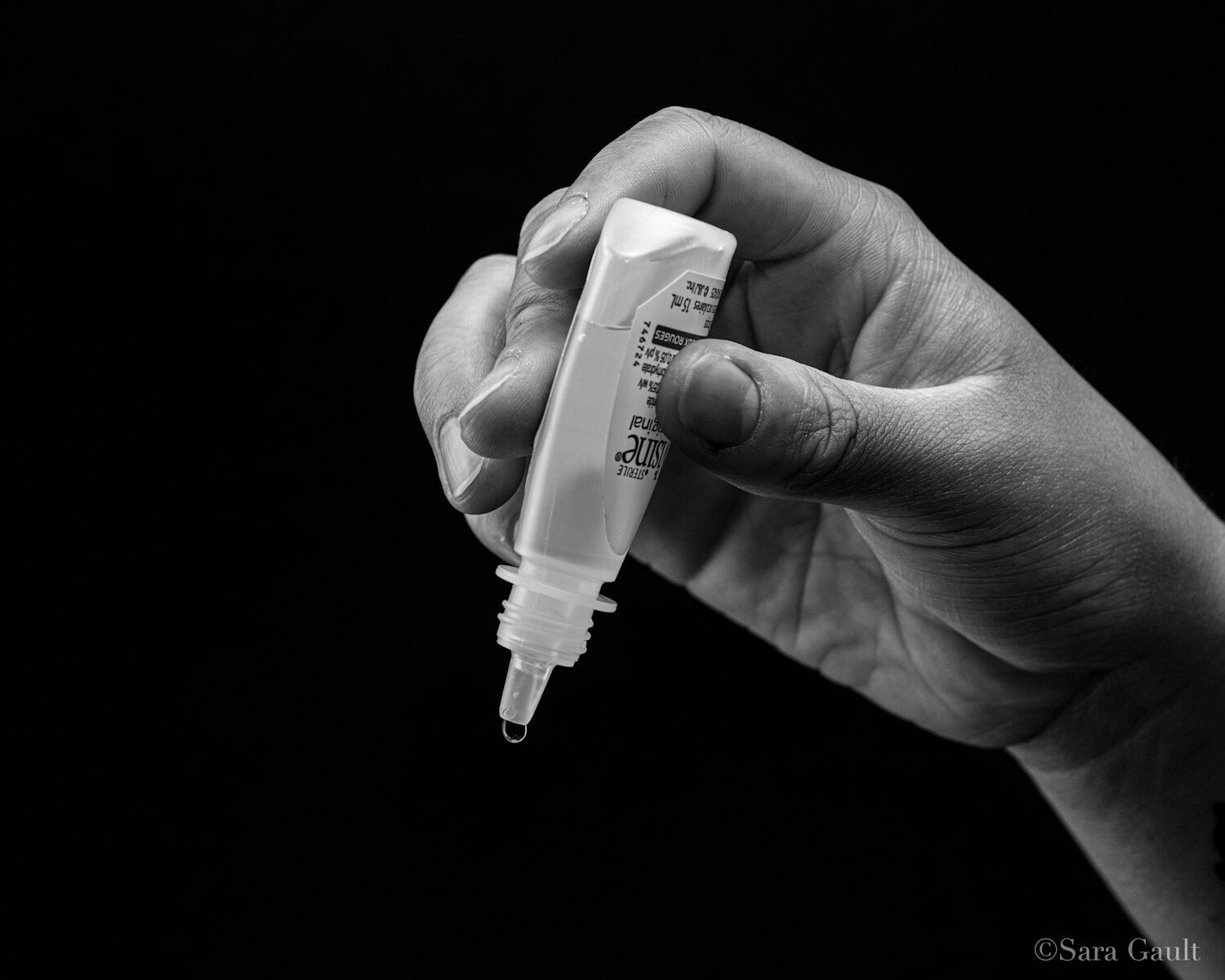
A using expired eye drops: what you need to know before you do guide is important because eye products are highly sensitive. Even a small change in sterility or chemical stability can affect eye safety. Many people keep eye drops in medicine cabinets and use them past the printed expiration date without realizing the potential risks.
This article explains what happens when eye drops expire, possible health risks, when they might still seem “safe,” and how to store and use them correctly.
Why Eye Drops Have Expiration Dates
Expiration dates are not random. They are based on stability testing.
Manufacturers test for:
- Sterility over time
- Chemical stability of ingredients
- Preservative effectiveness
- Packaging safety
Expert insight:
Eye drops are considered sterile medical products. Once that sterility is compromised, even slightly, they can become unsafe for the eyes.
What Happens When Eye Drops Expire?
After expiration, several changes may occur:
1. Loss of effectiveness
Active ingredients may degrade.
Result:
- Reduced symptom relief
- Weaker lubrication or medication effect
2. Reduced sterility
Once opened and aged, contamination risk increases.
Risk:
Bacteria or fungi may grow inside the bottle.
3. Chemical breakdown
Preservatives may weaken over time.
4. Texture or color changes
You may notice:
- Cloudiness
- Discoloration
- Unusual odor
Insider tip:
Even if expired drops look normal, contamination is not visible to the eye.
Risks of Using Expired Eye Drops
Using expired eye drops can lead to serious eye problems.
1. Eye infections
Contaminated drops can introduce bacteria.
Symptoms:
- Redness
- Pain
- Discharge
- Swelling
2. Eye irritation
Expired chemicals may become unstable.
Symptoms:
- Burning sensation
- Itching
- Dryness
3. Allergic reactions
Breakdown products may trigger sensitivity.
4. Vision complications (rare but serious)
In severe cases, untreated infections can affect vision.
Are Expired Eye Drops Ever Safe?
This depends on several factors.
1. Unopened vs opened drops
- Unopened: slightly lower risk but still not recommended
- Opened: significantly higher contamination risk
2. Type of eye drops
Lubricating drops:
Lower risk but still not recommended after expiration.
Medicinal drops (antibiotic or steroid):
Never use after expiration.
Expert insight:
Prescription eye drops should never be used past expiration due to potency and safety concerns.
How Long Do Eye Drops Last After Opening?
Most eye drops have a limited “use-after-opening” period.
Typical guideline:
- 28 to 90 days after opening (varies by product)
After this period, contamination risk increases even if the expiration date has not passed.
Signs You Should Stop Using Eye Drops Immediately
Stop using eye drops if you notice:
- Cloudy solution
- Change in color
- Eye pain after use
- Bottle contamination
- Burning that lasts more than a few minutes
What To Do If You Accidentally Used Expired Eye Drops
1. Do not panic
Not all cases lead to serious harm.
2. Rinse eyes with clean water or saline
This helps reduce irritation.
3. Monitor symptoms
Watch for:
- Redness
- Pain
- Swelling
- Discharge
4. Seek medical advice if symptoms worsen
Especially if infection signs appear.
How to Store Eye Drops Properly
Proper storage extends safety within the valid period.
1. Keep at recommended temperature
Usually room temperature unless stated otherwise.
2. Avoid direct sunlight
Heat and light can degrade ingredients.
3. Keep bottle tightly closed
Prevents contamination.
4. Do not touch dropper tip
This prevents bacterial transfer.
Insider tip:
Never store eye drops in a humid bathroom environment long-term.
Why People Use Expired Eye Drops Anyway
Common reasons include:
- Forgetting purchase date
- Assuming they are still safe if they look normal
- Lack of awareness about risks
- Convenience
Expert insight:
Most eye infections linked to eye drops are caused by improper storage or expired use combined with contamination.
Safe Alternatives to Expired Eye Drops
If your drops are expired, consider:
1. New lubricating eye drops
For dryness and irritation.
2. Preservative-free single-use vials
Lower contamination risk.
3. Natural tear stimulation methods
- Blinking exercises
- Reducing screen strain
- Using humidifiers
When to See a Doctor
Seek medical help if you experience:
- Persistent eye pain
- Vision changes
- Severe redness
- Pus or discharge
- Light sensitivity
Insider Tips for Eye Health
- Replace eye drops regularly
- Label opening dates on bottles
- Avoid sharing eye drops with others
- Follow dosage instructions strictly
- Use preservative-free options if you use drops frequently
Final Thoughts
A using expired eye drops: what you need to know before you do situation should always be treated with caution. Eye drops are sterile products, and once they expire, their safety and effectiveness cannot be guaranteed.
While some may seem unchanged, the risk of infection, irritation, or reduced effectiveness increases significantly after expiration. The safest choice is always to replace expired eye drops with a fresh, properly stored product.
Protecting eye health requires small but important habits checking dates, proper storage, and avoiding unnecessary risks.