

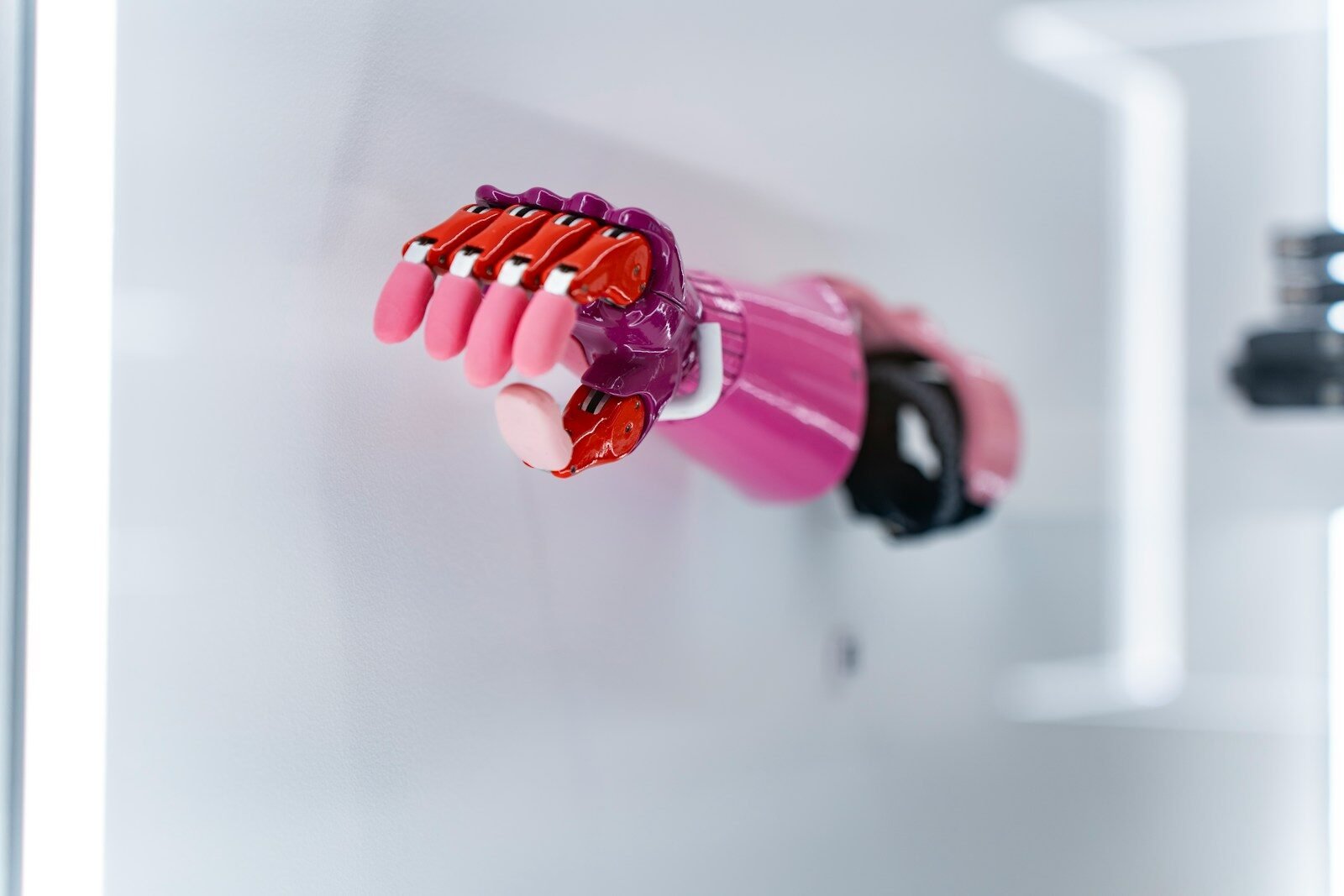
Robotic toy hands have become one of the most interesting developments in educational robotics and interactive toys. These devices are no longer simple mechanical kits. In 2026, they combine sensors, AI-assisted movement, programmable controls, and STEM learning features that make them useful for both entertainment and education.
This guide on Top Robotic Toy Hands in 2026: Smart Features and Reviews explains how these devices work, what features matter most, how to choose the right model, and which types offer the best value for learning and play.
The goal is to help parents, educators, and hobby users understand what separates basic robotic kits from advanced smart robotic hands.
What Is a Robotic Toy Hand?
A robotic toy hand is a mechanical or electronic device designed to mimic the movement of a human hand. It can grip, lift, rotate, and sometimes respond to sensors or programmed commands.
Core purpose:
- Teach robotics and engineering concepts
- Improve hand-eye coordination
- Provide interactive STEM learning
- Demonstrate basic AI or mechanical principles
How Robotic Toy Hands Work
Modern robotic toy hands use a combination of mechanical systems and electronics.
1. Mechanical structure
Most models use:
- Plastic or lightweight metal frames
- Jointed fingers
- Servo motors or tension-based systems
These parts allow finger movement similar to a human hand.
2. Sensors
Advanced models include sensors such as:
- Touch sensors
- Pressure sensors
- Motion sensors
Function:
They help the robotic hand respond to user input or environment changes.
3. Control systems
Robotic toy hands are controlled through:
- Remote controllers
- Smartphone apps
- Pre-programmed sequences
- AI-assisted movement systems
4. Power source
Common power options:
- Rechargeable batteries
- USB power
- Replaceable AA/AAA batteries
Why Robotic Toy Hands Are Popular in 2026
Several trends have increased demand for these devices.
1. STEM education growth
Schools and parents are focusing more on:
- Robotics
- Coding
- Engineering basics
Robotic hands are a practical learning tool.
2. AI integration in toys
Even entry-level toys now include:
- Gesture recognition
- Smart responses
- Adaptive movement patterns
3. Hands-on learning demand
Children learn better through interactive tools rather than passive screens.
4. Affordable robotics kits
Prices have become more accessible compared to earlier years.
Key Features to Look for in Robotic Toy Hands
Choosing the right model depends on features.
1. Range of motion
A good robotic hand should mimic natural movement.
Look for:
- Flexible finger joints
- Wrist rotation
- Smooth movement control
2. Build quality
Durability is important, especially for kids.
Materials:
- Reinforced plastic
- Lightweight aluminum frames
3. Programming options
Advanced kits allow coding.
Features:
- Block-based coding (for beginners)
- Python or app-based control (advanced users)
4. Sensor integration
Sensors improve interactivity.
Examples:
- Grip strength sensors
- Touch response
- Object detection
5. Ease of assembly
Some kits come pre-built, others require assembly.
Tip:
Beginner users should choose semi-assembled models.
6. App connectivity
Modern robotic hands often connect to smartphones.
Benefits:
- Remote control
- Custom movement programming
- Real-time feedback
Top Robotic Toy Hands in 2026 (Categories)
Instead of focusing on brand-only lists, it is more useful to understand categories of robotic hands available today.
1. Beginner robotic toy hands
Features:
- Simple assembly
- Basic grip movement
- No coding required
Best for:
Young children and first-time users
2. Educational STEM robotic hands
Features:
- Modular design
- Basic programming support
- Learning-focused instructions
Best for:
Schools and STEM learners
3. Advanced programmable robotic hands
Features:
- Full finger articulation
- App + coding control
- Sensor integration
Best for:
Teens and robotics hobbyists
4. AI-enabled robotic hands
Features:
- Gesture recognition
- Adaptive movements
- Smart response systems
Best for:
Advanced users interested in AI robotics
Benefits of Robotic Toy Hands
1. Educational value
They teach:
- Basic robotics
- Engineering principles
- Coding logic
2. Improves motor skills
Helps users understand:
- Coordination
- Precision movement
- Spatial awareness
3. Encourages problem-solving
Users learn how mechanical systems work and how to fix issues.
4. Boosts creativity
Children can build, modify, and experiment with designs.
Insider tip:
Allowing kids to “break and rebuild” robotic kits actually improves long-term learning outcomes.
Safety Considerations
Robotic toy hands are generally safe but still require precautions.
Safety tips:
- Avoid small parts for very young children
- Supervise initial assembly
- Ensure batteries are installed correctly
- Avoid water exposure
Common Mistakes When Buying Robotic Toy Hands
1. Choosing based only on appearance
Looks do not reflect performance or learning value.
2. Ignoring age recommendations
Complex kits can frustrate younger users.
3. Overlooking coding compatibility
Not all models support programming.
4. Buying low-quality materials
Cheap materials reduce durability and safety.
Insider Tips for Better Experience
1. Start with simple models first
Jumping to advanced kts can reduce learning motivation.
2. Combine with learning apps
Many manufacturers offer companion apps with tutorials.
3. Encourage experimentation
Let users test different grip strengths and movements.
4. Use structured learning goals
Example: “Build a hand that can pick up a cup.”
5. Store properly after use
Protect motors and joints from damage.
Real-World Applications
Robotic toy hands are not just toys.
Used in:
- School robotics labs
- Engineering workshops
- STEM competitions
- Early AI learning environments
Future of Robotic Toy Hands
The future is moving toward more intelligent and realistic systems.
Expected developments:
- AI-powered adaptive grip
- Voice-controlled robotic hands
- Haptic feedback systems
- More realistic human-like motion
Expert Insight
Robotic toy hands are evolving into entry-level robotics platforms. In many cases, they are the first step for future engineers and programmers. The combination of mechanics, electronics, and coding makes them a powerful educational tool.
Final Thoughts
The top robotic toy hands in 2026 are no longer simple toys. They are smart learning systems that combine robotics, coding, and interactive play. Choosing the right model depends on age, skill level, and learning goals.
Beginner models are ideal for introducing basic mechanics, while advanced versions support programming and AI-based learning. With the right approach, these devices can significantly improve technical understanding and creativity.
Robotic toy hands are not just about play they are about building the foundation for future technology skills.