

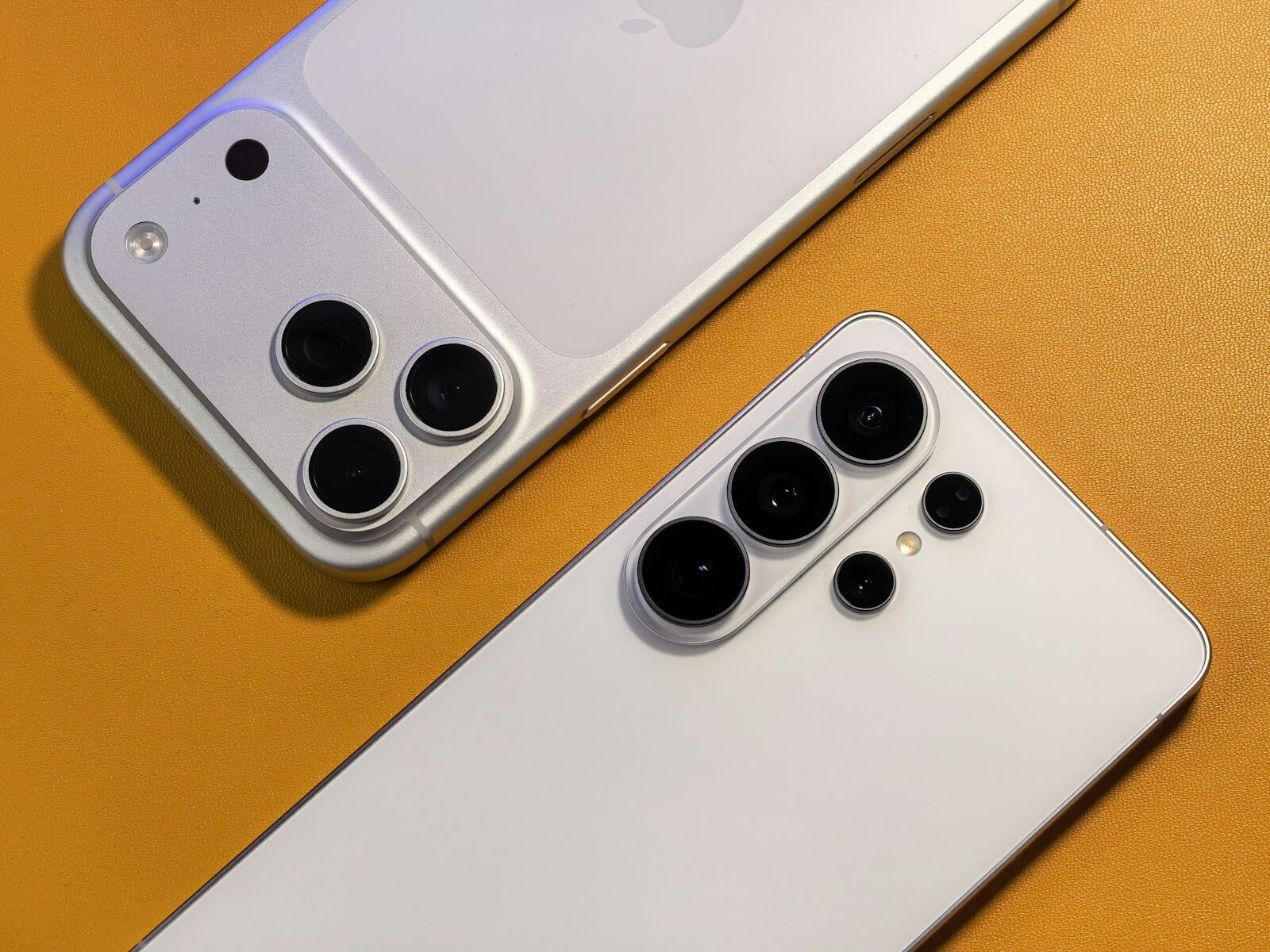
The debate of iPhone vs Samsung: which smartphone is better in 2026 continues because both brands dominate the premium smartphone market with different strengths. Apple focuses on tight ecosystem control and long-term software support, while Samsung pushes innovation, display technology, and hardware flexibility.
This guide compares both in detail performance, camera, software, battery, design, ecosystem, and value to help you decide based on real needs, not marketing claims.
Overview: iPhone vs Samsung in 2026
Both brands are now closer than ever in raw performance, but they still differ in philosophy.
Apple (iPhone):
- Closed ecosystem
- Strong optimization between hardware and software
- Long software updates
- Premium, consistent user experience
Samsung:
- Android flexibility
- More hardware variety
- Faster adoption of new display and AI tech
- Wider price range
Design and Build Quality
iPhone design approach
Apple continues its minimal and consistent design language.
Key traits:
- Flat-edge design
- Premium glass and titanium frames (Pro models)
- Uniform look across models
Strength:
Feels refined and consistent across generations.
Samsung design approach
Samsung focuses on variety and innovation.
Key traits:
- Curved or flat AMOLED displays
- Slim bezels
- Folding phones (Fold/Flip series)
Strength:
More experimental and visually diverse.
Expert insight:
iPhone prioritizes consistency; Samsung prioritizes innovation variety.
Display Comparison
iPhone display
Features:
- OLED Super Retina displays
- High brightness levels
- Color accuracy focus
Weakness:
Refresh rate and customization options are limited compared to Samsung in some models.
Samsung display
Features:
- Dynamic AMOLED 2X displays
- Higher refresh rates (up to 120Hz+ standard in many models)
- Better contrast and deeper blacks
Strength:
Considered industry-leading display technology.
Verdict:
Samsung wins in display innovation and customization.
Performance and Speed
iPhone performance
Apple’s chips (A-series) are highly optimized.
Benefits:
- Extremely fast processing
- Strong gaming performance
- Efficient power management
Strength:
Better real-world optimization due to tight hardware-software integration.
Samsung performance
Samsung uses Snapdragon or Exynos (region-dependent).
Benefits:
- Strong multitasking
- High-end gaming capability
- Improved AI processing in 2026 models
Strength:
More flexible multitasking experience.
Expert insight:
iPhone leads in raw efficiency; Samsung offers more multitasking freedom.
Camera Comparison
iPhone camera system
Strengths:
- Natural color processing
- Consistent image quality
- Excellent video recording
Weakness:
Less aggressive zoom and AI enhancements compared to Samsung.
Samsung camera system
Strengths:
- High zoom capability
- Strong AI image enhancement
- More camera customization
Weakness:
Sometimes over-processed images depending on settings.
Video recording:
- iPhone: industry leader in video stability and color accuracy
- Samsung: improving fast, but still slightly behind in consistency
Insider tip:
If content creation is your focus, iPhone is often preferred for video; Samsung is strong for zoom photography and flexibility.
Battery Life and Charging
iPhone battery
Features:
- Efficient battery optimization
- Strong standby time
- Slower charging speeds compared to Samsung
Samsung battery
Features:
- Larger battery capacity in many models
- Faster charging technology
- Better charging customization
Verdict:
Samsung leads in charging speed; iPhone leads in efficiency.
Software Experience
iPhone (iOS 2026)
Strengths:
- Clean, simple interface
- Long-term updates (often 5–6+ years)
- Strong app optimization
Weakness:
Less customization freedom.
Samsung (One UI based on Android)
Strengths:
- Highly customizable interface
- Multi-window and split-screen features
- Better file management
Weakness:
Slightly heavier software compared to iOS.
Expert insight:
iOS is stability-focused; Samsung Android is flexibility-focused.
Ecosystem Comparison
Apple ecosystem
Devices:
- Mac
- iPad
- Apple Watch
- AirPods
Strength:
Seamless device integration.
Samsung ecosystem
Devices:
- Galaxy phones
- Galaxy Watch
- Tablets
- Smart TVs
Strength:
More open compatibility with other brands.
Insider tip:
If you already own Apple devices, switching to iPhone increases productivity. If you prefer flexibility, Samsung integrates better with mixed-device environments.
Gaming and AI Features
iPhone gaming
- High performance optimization
- Stable frame rates
- Strong GPU efficiency
Samsung gaming
- Larger screens for immersive play
- Gaming modes and customization
- Advanced cooling in flagship models
AI features (2026 trend)
Both brands now heavily use AI:
iPhone:
- Smart photo editing
- On-device AI processing
- Privacy-focused AI tools
Samsung:
- AI photo enhancement
- Real-time translation
- Smart multitasking automation
Price and Value
iPhone pricing
- Premium pricing across lineup
- High resale value
- Limited budget options
Samsung pricing
- Wide range from budget to ultra-premium
- Frequent discounts and deals
- Better entry-level accessibility
Verdict:
Samsung offers more flexibility in pricing; iPhone holds value longer.
Security and Privacy
iPhone
Strength:
- Strong privacy controls
- App tracking transparency
- Secure ecosystem
Samsung
Strength:
- Knox security system
- Strong enterprise-level protection
- More user control over permissions
Insider insight:
iPhone is preferred for privacy-first users; Samsung is strong for enterprise customization.
Pros and Cons Summary
iPhone Pros:
- Strong performance optimization
- Excellent video recording
- Long software support
- High resale value
iPhone Cons:
- Less customization
- High price
- Limited flexibility
Samsung Pros:
- Better display technology
- More customization
- Faster charging
- Wide price range
Samsung Cons:
- Software updates slightly less consistent
- Camera processing varies by model
Final Verdict: Which Is Better in 2026?
There is no universal winner in iPhone vs Samsung: which smartphone is better in 2026. The best choice depends on user priority.
Choose iPhone if you want:
- Simple, stable experience
- Long-term updates
- Best video recording quality
- Strong ecosystem integration
Choose Samsung if you want:
- More features and customization
- Better display technology
- Faster charging and hardware innovation
- Wider price options
Final Thought
In 2026, both iPhone and Samsung are highly advanced. The difference is no longer about basic performance it is about philosophy. Apple focuses on refinement and control, while Samsung focuses on innovation and flexibility.
The better smartphone is the one that matches how you actually use your device every day.