

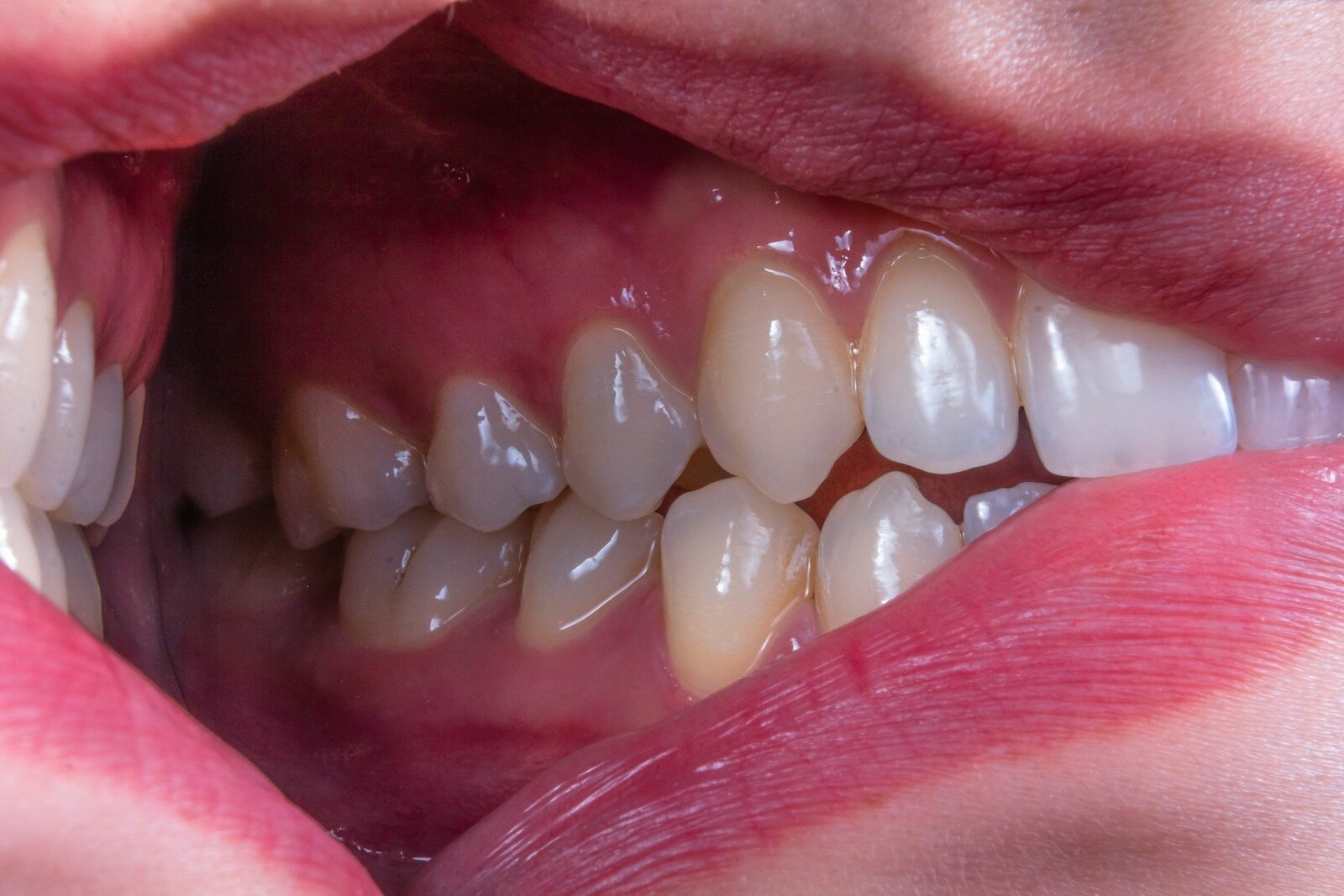
A is gingivitis infectious? facts, myths, and prevention tips guide is important because gum disease is one of the most common oral health issues worldwide, yet it is also widely misunderstood. Many people are unsure whether gingivitis can spread from person to person or whether it is only caused by poor oral hygiene.
This article explains what gingivitis is, whether it is contagious, how it develops, and how to prevent it effectively.
What Is Gingivitis?
Gingivitis is the earliest stage of gum disease (periodontal disease). It causes inflammation of the gums due to plaque buildup along the gumline.
Common symptoms:
- Red or swollen gums
- Bleeding while brushing or flossing
- Mild gum tenderness
- Bad breath (halitosis)
Expert insight:
Gingivitis is reversible if treated early with proper oral care.
Is Gingivitis Infectious?
The short answer is: gingivitis itself is not directly infectious, but the bacteria that contribute to it can be transferred between people.
What this means:
- You do not “catch” gingivitis like a cold
- However, bacteria linked to gum disease can spread through saliva
How bacteria are transmitted:
- Sharing utensils
- Kissing
- Sharing toothbrushes
- Close oral contact
Expert clarification:
Transmission of bacteria does not guarantee disease. Gingivitis develops mainly when oral hygiene is poor and plaque builds up.
Causes of Gingivitis
Gingivitis develops due to multiple factors.
1. Plaque buildup
Plaque is a sticky layer of bacteria on teeth.
Key issue:
If not removed, it irritates gums and triggers inflammation.
2. Poor oral hygiene
Infrequent brushing and flossing increases risk.
3. Smoking or tobacco use
Reduces blood flow to gums and weakens immune response.
4. Hormonal changes
Common during:
- Pregnancy
- Puberty
- Menstruation
5. Medical conditions
- Diabetes
- Immune disorders
6. Certain medications
Some drugs reduce saliva flow, increasing bacterial growth.
Myths About Gingivitis
Myth 1: Gingivitis is highly contagious
Reality:
It is not directly contagious like viral infections.
Myth 2: Only poor hygiene causes gingivitis
Reality:
Other factors like hormones and health conditions also play a role.
Myth 3: Bleeding gums are normal
Reality:
Bleeding gums are an early warning sign, not normal.
Can Gingivitis Spread in Families?
Yes, bacteria can spread within households, but disease development depends on oral hygiene habits.
Example:
- Family members may share similar bacteria
- But only those with poor hygiene develop gingivitis
Expert insight:
Gingivitis is influenced more by environment and habits than direct infection.
Risk Factors That Increase Susceptibility
1. Inconsistent brushing
Not brushing twice daily increases plaque accumulation.
2. Lack of flossing
Flossing removes bacteria between teeth that brushing cannot reach.
3. High-sugar diet
Sugar feeds harmful oral bacteria.
4. Dry mouth
Less saliva means less natural cleaning of the mouth.
5. Stress
Weakens immune response and affects oral care habits.
Symptoms You Should Not Ignore
Early detection is key.
Warning signs:
- Persistent gum redness
- Bleeding during brushing
- Gum sensitivity
- Persistent bad breath
- Gum swelling
Is Gingivitis Reversible?
Yes, gingivitis is reversible in most cases.
How:
- Proper brushing
- Daily flossing
- Professional dental cleaning
Expert insight:
Early-stage gum disease can often be completely reversed within days to weeks with consistent care.
Prevention Tips for Gingivitis
1. Brush twice daily
Use a soft-bristled toothbrush and fluoride toothpaste.
2. Floss daily
Removes plaque between teeth.
3. Use antibacterial mouthwash
Helps reduce bacterial load.
4. Maintain regular dental checkups
Every 6 months is recommended.
5. Eat a balanced diet
Include:
- Fruits and vegetables
- Calcium-rich foods
- Reduced sugar intake
6. Avoid smoking
Smoking significantly increases gum disease risk.
Insider tips:
- Replace toothbrush every 3 months
- Brush for at least 2 minutes
- Clean tongue to reduce bacteria buildup
Treatment Options for Gingivitis
1. Professional dental cleaning
Removes hardened plaque (tartar).
2. Improved home care
Consistent oral hygiene routine is essential.
3. Medicated mouth rinses (if needed)
Used for bacterial control under dentist guidance.
What Happens If Gingivitis Is Not Treated?
If ignored, gingivitis can progress to periodontitis.
Consequences:
- Gum recession
- Tooth mobility
- Bone loss
- Tooth loss in severe cases
Expert insight:
Gingivitis is the warning stage; periodontitis is the irreversible stage.
Daily Oral Care Routine (Simple Plan)
Morning:
- Brush teeth
- Clean tongue
Evening:
- Brush again
- Floss carefully
- Use mouthwash if needed
Final Thoughts
A is gingivitis infectious? facts, myths, and prevention tips analysis shows that gingivitis is not directly contagious, but the bacteria involved can be transferred through close contact. However, whether it develops depends mainly on oral hygiene, lifestyle, and overall health.
The most important takeaway is that gingivitis is both preventable and reversible. With consistent care—brushing, flossing, healthy habits, and dental visits gum health can be fully maintained and serious complications avoided.