

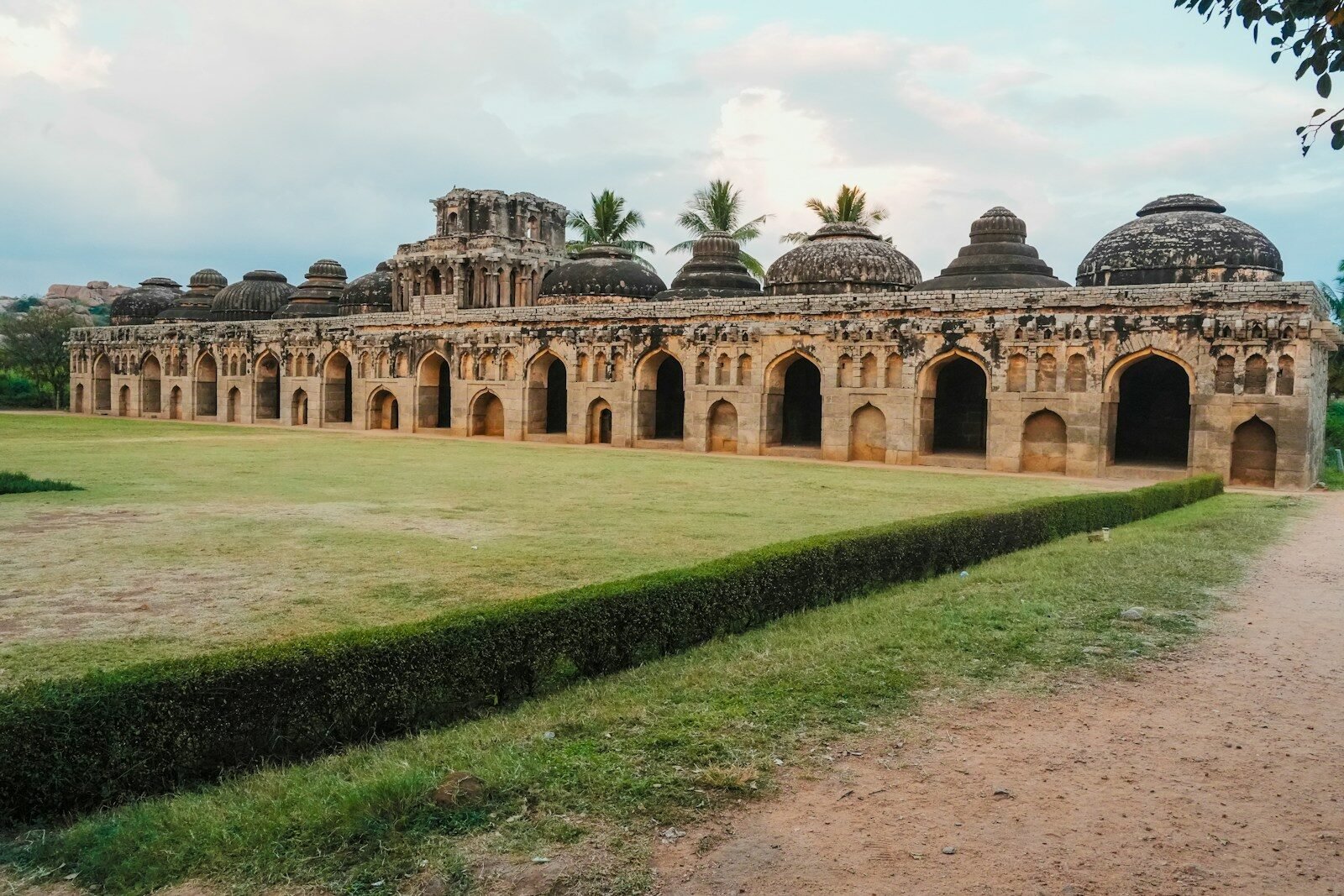
A journey through Hampi feels like walking into a living museum. This Hampi travelogue: exploring history, temples, and scenic beauty captures the experience of wandering through ancient ruins, witnessing timeless architecture, and absorbing the calm rhythm of a place shaped by centuries of history.
Located in Karnataka, India, Hampi is a UNESCO World Heritage Site known for its vast landscape of temples, boulders, and remnants of the Vijayanagara Empire. It is not just a destination it is an experience that blends culture, history, and natural beauty in a way few places can.
Arrival in Hampi: First Impressions
Reaching Hampi is an experience in itself. As the roads narrow and the landscape begins to change, massive boulders appear scattered across the terrain, almost unreal in their formation.
The first thing that stands out is silence. Unlike crowded tourist cities, Hampi has a slower pace. The air feels calmer, and the environment encourages you to pause and observe.
Insider insight:
Arriving early in the morning gives the best first impression. The golden light over the ruins adds depth and texture to the landscape.
The Historical Significance of Hampi
Hampi was once the capital of the Vijayanagara Empire, one of the richest and most powerful kingdoms in India during the 14th to 16th centuries.
What remains today:
- Temple complexes
- Market streets
- Royal enclosures
- Stone carvings and monuments
Expert perspective:
The scale of Hampi’s ruins shows how advanced urban planning and architecture were during that era.
Virupaksha Temple: The Living Temple
The Virupaksha Temple is one of the most important and active temples in Hampi.
Key features:
- Tall gopuram (tower) visible from a distance
- Intricate carvings
- Continuous worship practices
Walking through the temple, you notice a blend of spirituality and history. Unlike many ruins, this temple is still alive with rituals and visitors.
Vittala Temple: Architectural Brilliance
The Vittala Temple is one of the most iconic structures in Hampi.
Highlights:
- Stone chariot (symbol of Hampi)
- Musical pillars
- Detailed carvings
Experience:
The craftsmanship is precise and artistic. Even after centuries, the details remain impressive.
Hampi Bazaar: Echoes of the Past
Located near the Virupaksha Temple, Hampi Bazaar was once a thriving marketplace.
Today:
- Ruined stone pavilions
- Open spaces with historical significance
Walking through this area gives a sense of how lively it must have been in the past.
The Royal Enclosure: Power and Planning
The Royal Enclosure reflects the administrative and royal side of Hampi.
Key attractions:
- Mahanavami Dibba (ceremonial platform)
- Stepwell (geometric water structure)
- Underground chambers
Insight:
This area shows how structured and organized the empire was.
Lotus Mahal and Elephant Stables
These structures highlight a mix of architectural styles.
Lotus Mahal
Features:
- Symmetrical design
- Arched windows
- Cooling structure design
Elephant Stables
Features:
- Large domed chambers
- Strong construction
- Uniform layout
These areas reflect both aesthetic design and functional architecture.
Scenic Beauty of Hampi
Beyond history, Hampi offers stunning natural landscapes.
Boulder landscapes
Massive rock formations create a unique visual identity.
Best experience:
Watching sunset from a hilltop surrounded by boulders.
Tungabhadra River
The river adds calmness to the region.
Activities:
- Coracle boat rides
- Riverside relaxation
Sunrise and Sunset Points
Hampi is known for its light and shadows.
Popular spots:
- Matanga Hill (sunrise)
- Hemakuta Hill (sunset)
Insider tip:
Carry water and reach early. These spots can get crowded during peak season.
Cultural Experience in Hampi
Hampi is not just about monuments it is about local life.
Experiences:
- Small cafes with local and international food
- Interaction with local guides
- Traditional crafts
Food and Stay Options
Food
Hampi offers a mix of:
- South Indian cuisine
- Simple local meals
- Cafe-style food
Accommodation
Options include:
- Budget guesthouses
- Riverside stays
- Boutique hotels in nearby areas
Travel Tips for Hampi
Best time to visit
- October to February (pleasant weather)
What to carry
- Comfortable shoes
- Water bottles
- Sun protection
Getting around
- Bicycle or scooter rentals
- Auto rickshaws
- Walking for nearby sites
Common Mistakes to Avoid
1. Rushing the visit
Hampi needs at least 2–3 days to explore properly.
2. Ignoring weather conditions
Afternoon heat can be intense.
3. Skipping guided tours
A guide adds historical context that enhances the experience.
Insider Tips for a Better Experience
- Start early to avoid heat and crowds
- Combine historical exploration with scenic breaks
- Spend time at viewpoints, not just monuments
- Talk to locals for hidden spots
- Keep your itinerary flexible
Final Thoughts
This Hampi travelogue: exploring history, temples, and scenic beauty shows that Hampi is more than a tourist destination it is a place where history, architecture, and nature come together in a unique way.
Every structure tells a story, and every landscape adds to the experience. Whether you are interested in history, photography, or peaceful travel, Hampi offers something meaningful.
The real beauty of Hampi travelogue lies not just in what you see, but in how it makes you slow down and experience time differently.