

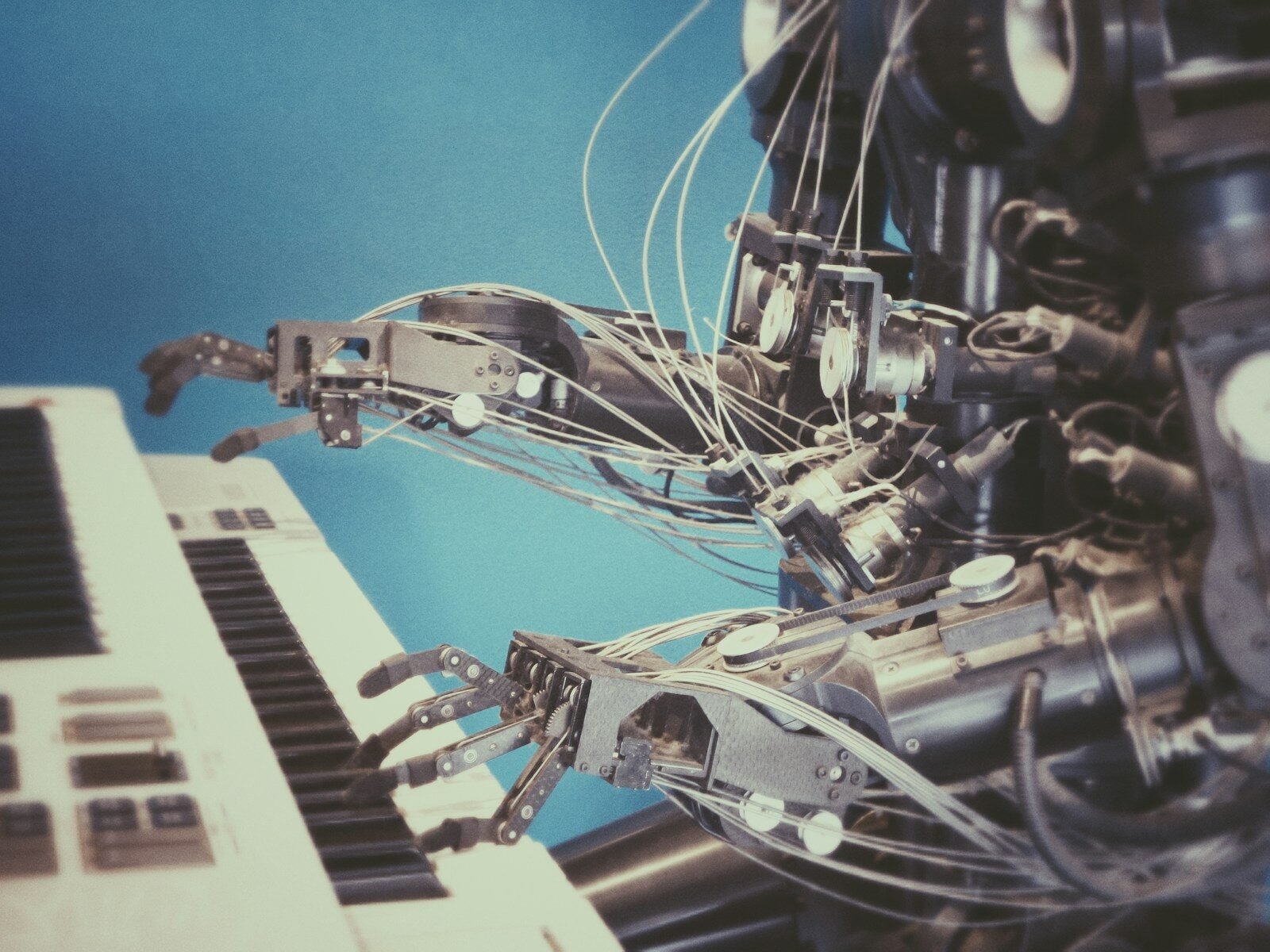
The comparison of robots vs computers: what’s the real difference explained simply comes up often because both are electronic systems that process information. However, they are built for very different purposes. A computer mainly processes data, while a robot interacts with the physical world using sensors and mechanical parts.
Understanding the difference helps in fields like technology, engineering, AI, and everyday digital devices. This guide explains both concepts in simple terms, with clear examples, functions, and real-world use cases.
What Is a Computer?
A computer is an electronic device designed to process data, perform calculations, and run software programs.
Core functions:
- Processing information
- Running applications
- Storing data
- Performing logical operations
Key idea:
A computer works with information, not physical objects.
Types of computers
1. Desktop computers
Used at homes and offices for general tasks.
2. Laptops
Portable computers for work and travel.
3. Servers
Powerful systems that manage networks and websites.
4. Embedded computers
Built into devices like TVs, cars, and microwaves.
What Is a Robot?
A robot is a machine designed to perform physical tasks automatically or semi-automatically, often guided by a computer system.
Core functions:
- Sense environment
- Process input data
- Perform physical actions
- Follow programmed instructions
Key idea:
A robot interacts with the real world using movement or mechanical actions.
Types of robots
1. Industrial robots
Used in factories for welding, assembly, and packaging.
2. Service robots
Used in hospitals, hotels, or cleaning services.
3. Humanoid robots
Designed to resemble human movement.
4. Educational robots
Used for learning programming and engineering.
Main Difference Between Robots vs Computers
The simplest way to understand the difference:
- A computer processes information
- A robot uses that information to act physically
1. Physical interaction
Computers:
- No physical movement
- Output is digital (screen, sound, data)
Robots:
- Can move
- Can lift, walk, or perform tasks
2. Purpose
Computers:
Designed for data processing and software execution.
Robots:
Designed for performing real-world actions.
3. Components
Computers include:
- CPU
- RAM
- Storage
- Input/output devices
Robots include:
- Sensors
- Actuators (motors)
- Controller (often a computer inside)
- Mechanical structure
4. Input and output
Computers:
- Input: keyboard, mouse, voice
- Output: screen, speakers
Robots:
- Input: sensors (camera, touch, motion)
- Output: movement or physical action
5. Mobility
Computers:
- Mostly stationary (except laptops/tablets)
Robots:
- Often mobile or capable of movement
Relationship Between Robots and Computers
Robots actually contain computers inside them.
Simple explanation:
- Computer = brain for data processing
- Robot = machine that uses a computer to act
Example:
A robot vacuum cleaner:
- Computer system calculates room map
- Robot uses motors to move and clean
How Robots Use Computers
Robots depend heavily on computers for control.
Steps:
- Sensors collect data
- Computer processes data
- Instructions are generated
- Motors execute movement
Artificial Intelligence in Robots and Computers
AI has blurred the line between robots and computers.
In computers:
- AI helps with recommendations
- Chatbots
- Image recognition
In robots:
- AI helps with decision-making
- Object detection
- Autonomous movement
Example:
- A computer suggests a movie
- A robot decides how to navigate a room
Real-World Examples
Computer examples:
- Smartphones
- Laptops
- Supercomputers
Robot examples:
- Factory arms
- Self-driving cars
- Delivery robots
Self-driving cars: a hybrid example
They are both:
- Computer system (decision-making)
- Robot system (physical movement)
Why People Confuse Robots and Computers
There are three main reasons:
1. Shared technology
Robots use computers inside them.
2. AI systems overlap
Both can run intelligent software.
3. Smart devices blur lines
Modern devices combine both functions.
Key Differences Summary Table
Function
- Computer: processes data
- Robot: performs physical tasks
Movement
- Computer: no movement
- Robot: can move
Output
- Computer: digital output
- Robot: physical output
Dependency
- Robot depends on computer
- Computer does not depend on robot
Insider Insight: The Real Modern Trend
In modern technology, the boundary between robots and computers is shrinking.
Key trend:
Most robots are now “computers with bodies.”
Example:
- Smart factory machines
- AI-driven drones
- Autonomous delivery systems
Practical Applications
Computers are used for:
- Data analysis
- Software development
- Communication
- Gaming
Robots are used for:
- Manufacturing
- Surgery assistance
- Space exploration
- Home automation
Future of Robots and Computers
Technology is moving toward integration.
Expected developments:
- Fully autonomous robots
- AI-powered personal assistants with physical forms
- Smart homes with robotic systems
- Self-learning machines
Expert Insight
The biggest difference is not just hardware it is function. Computers are tools for thinking and processing, while robots are tools for doing physical work. When combined, they create powerful intelligent systems that can both think and act.
Common Misconceptions
1. “All robots are AI-powered”
Not true. Many robots follow simple programmed instructions.
2. “Computers are more advanced than robots”
They are different tools, not levels of advancement.
3. “Robots can work without computers”
Most robots need a computer or controller system.
Insider Tips for Understanding Tech Better
- Think of computers as “brains”
- Think of robots as “bodies with brains”
- Focus on function, not appearance
- Learn basic coding to understand both systems
- Observe smart devices in daily life
Final Thoughts
The difference in robots vs computers: what’s the real difference explained simply comes down to purpose and function. Computers process information and run software, while robots use that information to interact with the physical world.
Modern technology increasingly combines both into intelligent systems that think and act together. Understanding this difference helps make sense of everything from smartphones to self-driving cars and industrial automation.