

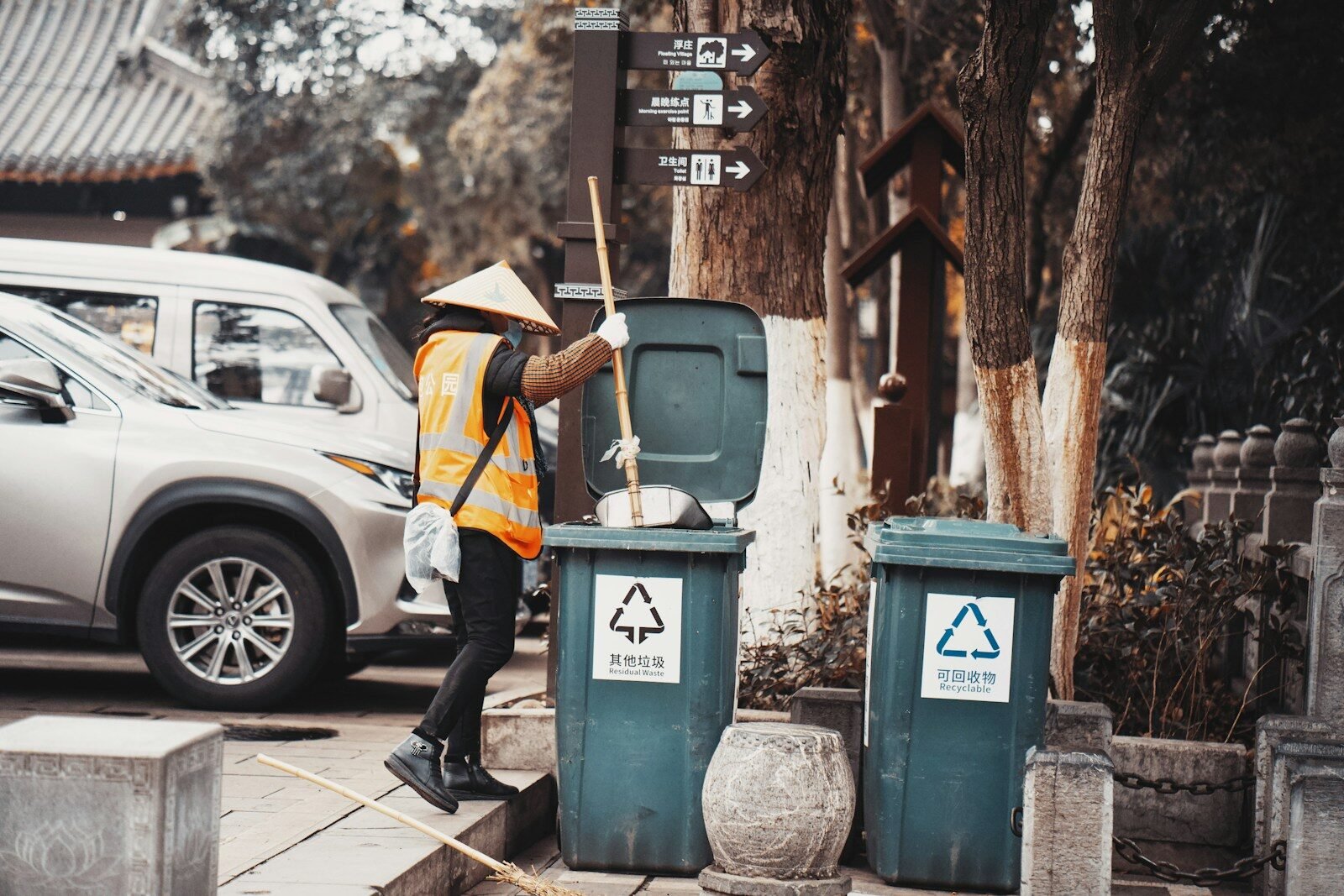
A trash bin cleaning business is a growing service industry that focuses on cleaning, sanitizing, and deodorizing residential and commercial waste bins. As hygiene awareness increases and local regulations become stricter in many regions, demand for this service continues to grow steadily.
This business model is attractive because it requires relatively low startup costs, simple operational structure, and recurring income potential. Customers typically schedule cleanings monthly, quarterly, or after waste pickup cycles, creating repeat revenue opportunities.
This guide explains how the business works, required equipment, pricing strategies, startup steps, and practical growth tips based on real service industry patterns.
What Is a Trash Bin Cleaning Business?
A trash bin cleaning business provides professional cleaning services for garbage bins using high-pressure water systems, eco-friendly detergents, and sanitizing agents.
Core services include:
- Residential trash bin cleaning
- Commercial dumpster cleaning
- Sanitizing and deodorizing bins
- Pest and odor control treatments
The service is usually performed using a specialized mobile unit that washes bins directly at the customer’s location.
Why This Business Is Growing
Several factors are driving demand:
1. Hygiene awareness
Post-pandemic awareness has increased demand for cleaner living environments.
2. Odor and pest control
Unclean bins attract insects, rodents, and bacteria, especially in hot climates.
3. Convenience factor
Homeowners prefer scheduled cleaning instead of doing it themselves.
4. Environmental concerns
Professional services often use water-recycling systems and eco-safe chemicals.
Startup Requirements
Starting a trash bin cleaning business does not require a large facility. Most operators begin with a mobile setup.
Basic requirements:
- Cleaning equipment
- Water supply system
- Vehicle (van or trailer)
- Cleaning chemicals
- Marketing setup
Essential Equipment for Trash Bin Cleaning Business
Equipment quality directly affects cleaning efficiency, water usage, and service speed.
1. Bin cleaning machine
This is the core equipment of the business.
Types:
- Manual pressure washer systems
- Automated bin cleaning units mounted on trailers or trucks
Key features:
- High-pressure water jets
- Rotating spray nozzles
- Wastewater containment system
Insider tip:
Investing in a semi-automated system early improves speed and allows you to handle more customers per day.
2. Water supply system
You will need a reliable water source.
Options:
- Onboard water tanks
- Connection to customer water supply
Recommended setup:
A mobile water tank system ensures independence and flexibility.
3. Wastewater recovery system
Many areas require proper wastewater disposal.
Function:
- Collects dirty water after cleaning
- Prevents environmental contamination
- Ensures legal compliance
4. Cleaning chemicals
Eco-friendly solutions are preferred.
Common products:
- Biodegradable disinfectants
- Deodorizers
- Degreasers
Important note:
Harsh chemicals can damage bins and harm the environment.
5. Protective gear
Safety is essential.
Required items:
- Gloves
- Waterproof boots
- Protective eyewear
- Aprons or suits
6. Vehicle setup
A van or trailer is used to transport equipment.
Ideal features:
- Storage space
- Water tank compatibility
- Easy loading system
Startup Costs Breakdown
Costs vary depending on equipment quality and business scale.
Estimated range:
- Basic startup: $3,000 – $10,000
- Mid-level setup: $10,000 – $25,000
- Advanced mobile system: $25,000 – $60,000
Major cost components:
- Equipment purchase
- Vehicle modification
- Marketing
- Licensing and permits
How Pricing Works in This Business
Pricing depends on bin size, location, and service frequency.
Common pricing models
1. Per-bin pricing
- Small bins: $10–$20
- Large bins: $20–$40
2. Subscription model
- Monthly plans
- Quarterly plans
- Annual packages
3. Bundle pricing
Discounts for multiple bins or neighborhoods.
Factors that affect pricing
- Travel distance
- Level of dirtiness
- Frequency of service
- Local competition
Profit Potential
This business can be highly profitable due to recurring customers.
Typical margins:
- 40% to 70% profit margin
- Low material cost per job
Example:
If you clean 50 bins per day at an average of $15 each:
- Daily revenue: $750
- Monthly revenue (20 working days): $15,000
Step-by-Step Setup Process
Step 1: Market research
Study local demand and competition.
Step 2: Choose equipment
Start with scalable systems.
Step 3: Register business
Obtain permits if required.
Step 4: Set pricing strategy
Start competitive, then adjust based on demand.
Step 5: Build brand identity
Create a simple but professional brand.
Step 6: Start marketing
Focus on local visibility.
Marketing Strategies for Growth
1. Local SEO
Optimize for searches like:
- “trash bin cleaning near me”
- “garbage can cleaning service”
Insider tip:
Google Business Profile is one of the most powerful tools in this industry.
2. Door-to-door marketing
Simple flyers in neighborhoods still work effectively.
3. Subscription discounts
Encourage monthly or quarterly plans.
4. Referral system
Offer discounts for customer referrals.
5. Social media marketing
Before/after cleaning videos perform well.
Operational Tips for Efficiency
1. Plan routes carefully
Reduce fuel and time costs.
2. Group nearby customers
Clean multiple bins in one area.
3. Automate scheduling
Use booking software to manage appointments.
4. Track customer history
Helps in upselling subscription plans.
Common Challenges in This Business
1. Weather dependency
Rainy or freezing conditions can slow operations.
2. Water disposal regulations
Must follow local environmental rules.
3. Physical workload
Work involves repetitive manual tasks.
4. Customer retention
Consistency is key for repeat business.
How to Scale the Business
1. Add more service trucks
Expansion allows more daily jobs.
2. Hire local technicians
Train staff for multiple routes.
3. Offer additional services
- Pressure washing driveways
- Dumpster rentals
- Pest control add-ons
4. Expand into commercial contracts
Businesses provide higher-volume opportunities.
Insider Tips from Industry Practice
- Early morning scheduling reduces traffic delays
- Offering “first clean free” increases conversions
- Neighborhood-based pricing improves retention
- Subscription customers are more valuable than one-time jobs
- Clean branding on vehicles builds instant trust
Is This Business Worth Starting?
Yes, especially for entrepreneurs looking for a low-entry, service-based business with recurring income potential. It does not require advanced technical skills, but success depends on consistency, customer service, and efficient operations.
Final Thoughts
A trash bin cleaning business combines simple operations with strong demand potential. With the right equipment, structured pricing, and focused local marketing, it can grow into a stable and scalable service company.
Success comes from consistency, route efficiency, and building long-term customer subscriptions rather than relying on one-time jobs.