

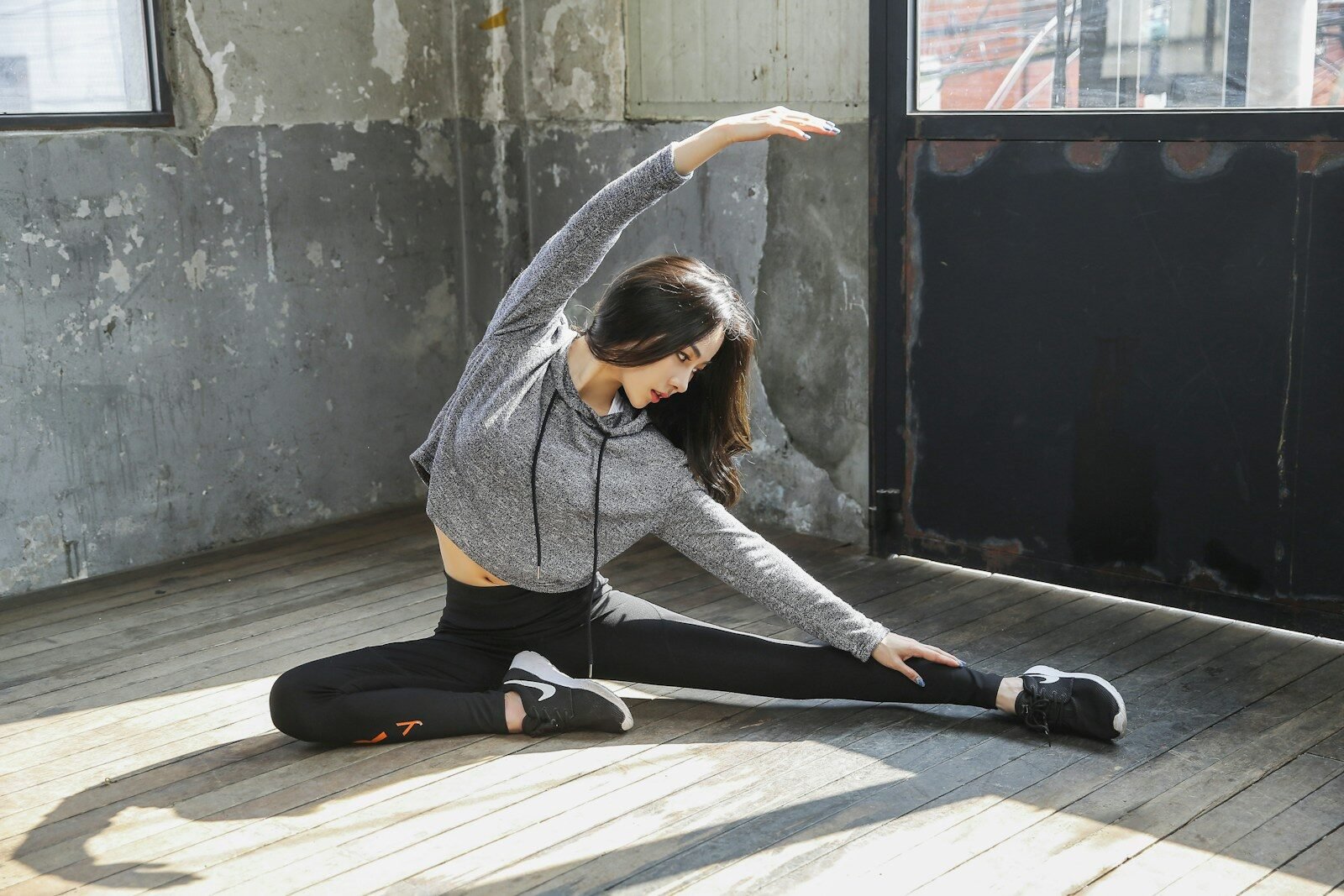
Most flexible Pilates clothing is essential for anyone who wants smooth movement, proper alignment, and full range of motion during Pilates workouts. The right outfit directly affects comfort, flexibility, and performance, especially in exercises that involve stretching, core control, and slow controlled movements. Choosing the correct Pilates wear helps prevent restriction and supports natural body movement throughout each session.
Pilates is a low-impact but highly precise workout, which means clothing must move perfectly with the body. In 2026, fitness wear has evolved to focus more on flexibility, breathability, and second-skin comfort rather than just style. This guide explains everything about flexible Pilates clothing, including fabrics, outfit types, performance benefits, and expert buying tips.
Why Flexible Clothing Matters in Pilates
Pilates movements often include:
- Slow controlled stretches
- Deep core engagement
- Rolling and spinal articulation
- Leg extensions and holds
- Balance-based positions
Any tight or stiff fabric can limit range of motion. Even a small restriction affects posture alignment and breathing control.
Key problem with poor workout wear:
- Fabric pulls during stretching
- Waistbands roll down
- Seams dig into skin
- Sweat accumulation causes discomfort
Flexible Pilates clothing solves all of these issues by moving naturally with the body.
What Makes Pilates Clothing Truly Flexible?
Not all stretchy clothes are suitable for Pilates. Flexibility is a combination of fabric science, stitching design, and body fit.
1. Four-Way Stretch Fabric
This is the most important feature.
Four-way stretch means the fabric expands in:
- Horizontal direction
- Vertical direction
This allows complete freedom during movements like roll-ups, leg lifts, and spinal twists.
2. Breathable Material
Pilates may look slow, but it generates heat in core muscles.
Good clothing should:
- Allow airflow
- Reduce sweat buildup
- Dry quickly
3. Compression Support
Compression helps:
- Stabilize muscles
- Improve posture awareness
- Reduce muscle fatigue
But it should not feel tight or restrictive.
4. Seamless or Flat-Seam Construction
Traditional seams can irritate skin during floor exercises.
Flat seams reduce:
- Chafing
- Pressure marks
- Skin irritation
5. Lightweight Feel
Heavy fabric disrupts movement flow. Pilates clothing should feel light and second-skin-like.
Best Fabrics for Pilates Clothing (Expert Breakdown)
Fabric choice is the foundation of performance.
1. Nylon-Spandex Blend
This is the most commonly used Pilates fabric.
Benefits:
- Extremely flexible
- Smooth texture
- Sweat-resistant
- Durable over time
Why it works:
Spandex provides stretch, while nylon adds strength and softness.
2. Polyester-Elastane Blend
A more budget-friendly option with good performance.
Benefits:
- Moisture-wicking
- Quick-drying
- Lightweight
Limitation:
Less breathable than nylon blends in intense sessions.
3. Bamboo Fabric
A rising trend in sustainable activewear.
Benefits:
- Naturally soft
- Antibacterial properties
- Eco-friendly
Insider note:
Bamboo fabric is ideal for low-intensity Pilates but may lack compression for advanced training.
4. Cotton-Spandex Blend
Best for beginners and casual Pilates.
Benefits:
- Comfortable feel
- Natural fiber
- Affordable
Limitation:
Cotton absorbs sweat, making it less ideal for long sessions.
Best Types of Pilates Clothing for Maximum Flexibility
Now let’s break down the actual clothing pieces that matter most.
1. High-Waisted Leggings
This is the foundation of Pilates wear.
Why they are essential:
- Support core muscles
- Stay in place during movement
- Enhance posture alignment
What to look for:
- 4-way stretch fabric
- High waistband with compression
- Squat-proof material
Insider tip:
Look for leggings with a hidden waistband pocket for small items like hair ties or studio keys.
2. Second-Skin Sports Bras
Pilates requires controlled breathing, so support is key but not restriction.
Features:
- Medium support
- Flexible straps
- Breathable mesh panels
Why it matters:
A rigid sports bra restricts rib movement, affecting breathing and posture.
3. Seamless Tank Tops
Tank tops are popular for upper-body visibility during form correction.
Benefits:
- No shoulder restriction
- Lightweight feel
- Easy layering
Expert insight:
Instructors often prefer tight-fit tanks to better observe spinal alignment.
4. Lightweight Crop Tops
Crop tops are ideal for warmer studios.
Benefits:
- Better ventilation
- Freedom during core exercises
- Stylish and functional
5. Pilates Unitards (One-Piece Suits)
Unitards are becoming more popular in 2026 Pilates fashion.
Benefits:
- Zero outfit adjustment needed
- Smooth full-body fit
- Perfect alignment visibility
Insider tip:
Choose unitards with reinforced seams at stress points like hips and shoulders.
6. Grip Socks
Pilates is often performed barefoot, but grip socks add stability.
Benefits:
- Prevent slipping
- Improve balance control
- Maintain hygiene in studios
Key feature:
Look for silicone grip patterns on the sole.
How Pilates Clothing Improves Performance
Good clothing is not just comfort it directly affects performance.
1. Better Body Awareness
Tight but flexible clothing helps you feel muscle engagement better.
2. Improved Movement Control
When fabric moves with you, transitions become smoother.
3. Reduced Injury Risk
Proper support reduces strain on joints and muscles.
4. Enhanced Focus
Comfortable clothing removes distractions during training.
Insider Tips from Pilates Instructors
These insights come from real studio experience.
1. Avoid Overly Thick Fabric
Thick leggings may feel secure but reduce mobility in deep stretches.
2. Test Clothing in Movement, Not Standing
Always squat, stretch, and twist before buying.
3. Check Waistband Recovery
Good leggings return to shape immediately after stretching.
4. Avoid Loose Clothing in Core Work
Loose tops hide posture alignment issues.
5. Choose Matte Finishes Over Glossy Ones
Matte fabrics often provide better grip and less sliding during movement.
Common Mistakes When Choosing Pilates Clothing
Many beginners choose style over function.
Mistake 1: Choosing Fashion Over Flexibility
Stylish outfits may not support full movement range.
Mistake 2: Ignoring Fabric Composition
Even expensive clothing can fail if material is not stretch-compatible.
Mistake 3: Wrong Size Selection
Too tight restricts movement, too loose affects form visibility.
Mistake 4: Poor Sweat Management
Non-breathable fabrics create discomfort during longer sessions.
Pilates Clothing for Different Skill Levels
Beginners:
- Cotton-spandex leggings
- Loose tank tops
- Basic sports bras
Intermediate:
- Nylon-spandex leggings
- Compression tops
- Grip socks
Advanced:
- Seamless performance sets
- High-compression leggings
- Unitards
How to Build a Minimal Pilates Wardrobe
You do not need many outfits. A functional wardrobe includes:
- 2 high-quality leggings
- 2 sports bras
- 2 tops (tank or crop)
- 1 unitard
- 2 pairs of grip socks
This setup is enough for consistent training.
Future Trends in Pilates Clothing (2026 and Beyond)
Pilates wear is evolving with technology and design innovation.
Upcoming trends:
- Smart fabric monitoring muscle movement
- Eco-friendly biodegradable activewear
- Temperature-regulating clothing
- Ultra-light seamless construction
Industry insight:
Brands are now focusing more on “movement intelligence fabrics” rather than just aesthetics.
Conclusion
The most flexible Pilates clothing is not just about stretch it is about intelligent fabric design, body alignment support, and movement freedom.
High-quality leggings, breathable tops, and seamless construction create a system where clothing enhances performance instead of limiting it.
For Pilates, the goal is simple: the body should move without resistance. The right clothing makes that possible by working with your movement, not against it.