

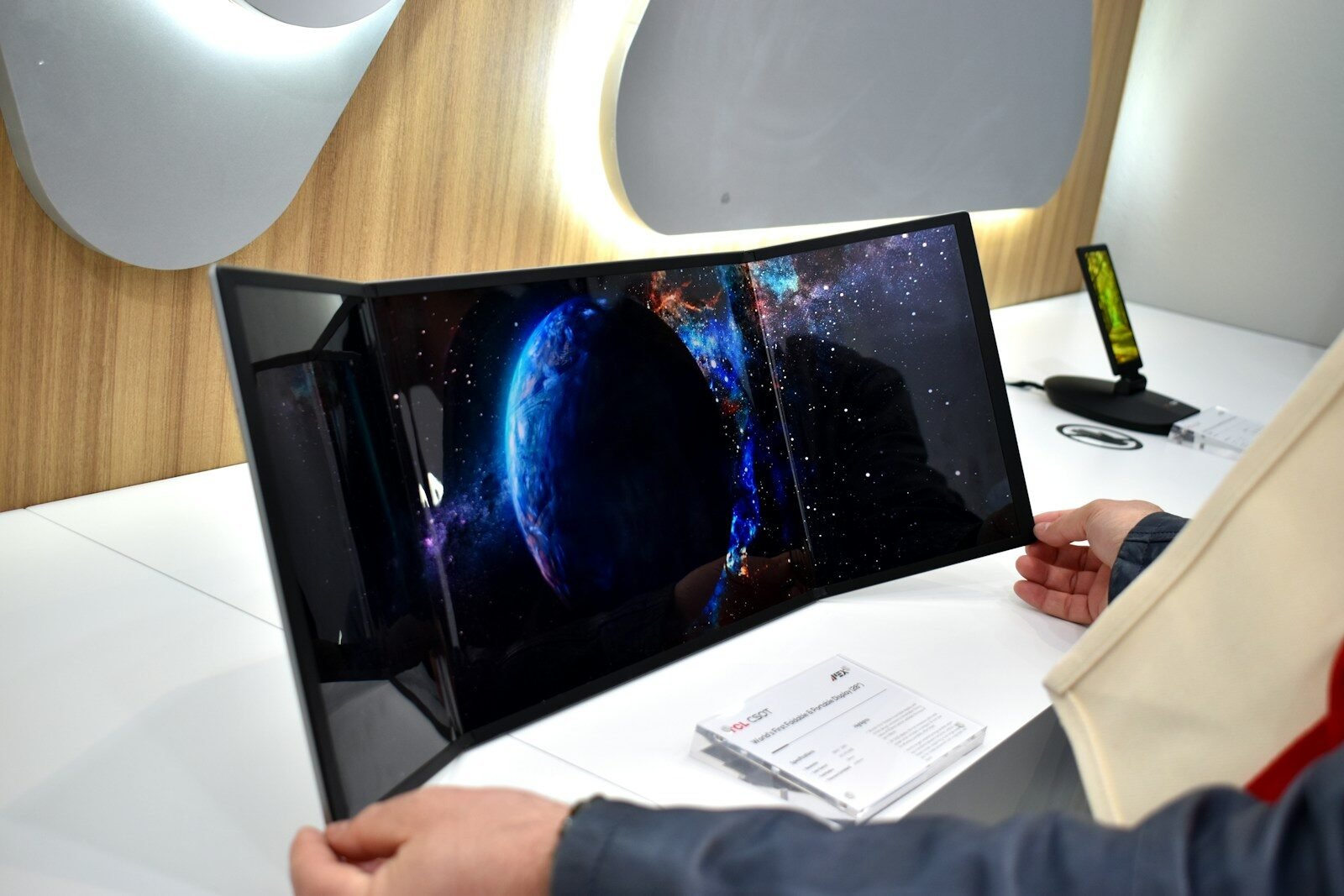
OLED TVs are known for their picture quality, deep blacks, and ultra-thin designs. But one of the most asked questions from buyers is: how thin is an OLED TV really, and does thickness matter?
In 2026, OLED technology has become more advanced, and TV thickness has become a key part of design, installation planning, and even buying decisions. This guide explains OLED TV thickness in detail, how it varies, why it matters, and what buyers should actually look for before purchasing.
This is a practical, expert-level breakdown based on real display engineering concepts and consumer usage insights.
What Does OLED TV Thickness Actually Mean?
OLED TV thickness refers to the physical depth of the display panel and housing from front glass to the back casing.
Unlike LED TVs, OLED panels do not require a backlight layer. This is the main reason OLED TVs are significantly thinner.
However, thickness is not uniform across the entire TV. There are different layers:
- Display panel layer (OLED pixels)
- Protective glass or coating
- Internal electronics and processing board
- Power supply system
- Mounting structure and cooling components
So when manufacturers advertise “ultra-thin OLED TVs,” they usually refer only to the thinnest part of the panel.
Average OLED TV Thickness in 2026
OLED TV thickness varies depending on model type and brand design.
Typical ranges:
- Ultra-premium OLED panels: 3mm to 5mm (panel only)
- Standard OLED TVs: 4mm to 10mm (panel area)
- Full body thickness including electronics: 20mm to 50mm+
Key insight:
Even the thickest OLED TV is still thinner than most LED TVs because it does not require a backlight system.
Why OLED TVs Are So Thin
OLED technology is fundamentally different from LED/LCD displays.
1. No Backlight Layer
Traditional LED TVs use a backlight panel behind the screen. OLED pixels generate their own light, removing the need for that layer.
2. Pixel-Level Illumination
Each pixel turns on and off individually, reducing structural layers.
3. Flexible Panel Engineering
Modern OLED panels use flexible organic materials, allowing thinner and sometimes bendable designs.
Insider insight:
The biggest thickness reduction happens not in the display itself, but in eliminating the bulky lighting system used in LCD technology.
OLED TV Design Evolution Over Time
OLED TV design has changed significantly over the last decade.
Early OLED TVs (2013–2016):
- Thick edges
- Large rear casing
- Limited wall-mount compatibility
Mid-generation OLED (2017–2021):
- Slimmer bezels
- Reduced depth
- Better wall mounting support
Modern OLED TVs (2022–2026):
- Almost flush wall designs
- Minimal visible thickness
- Hidden cable systems
- Integrated processing modules
Types of OLED TV Designs and Thickness Differences
Not all OLED TVs are designed the same. Thickness depends on model category.
1. Standard OLED TVs
These are the most common models in the market.
Characteristics:
- Balanced thickness
- Built-in speakers and processing units
- Slightly thicker back panel
Use case:
- Home entertainment
- Living rooms
- General viewing setups
2. Ultra-Slim OLED Panels
These are premium models focused on design aesthetics.
Characteristics:
- Extremely thin display section
- Separate external box for processing (in some models)
- Minimal wall gap
Use case:
- Luxury interiors
- Wall-mounted setups
- Design-focused homes
3. Rollable OLED TVs (Advanced Models)
These are futuristic models still limited in availability.
Characteristics:
- Flexible display
- Rolls into base unit
- Variable visible thickness
Use case:
- Smart home installations
- High-end innovation setups
Insider note:
Rollable OLED technology is still expensive due to durability challenges in flexible organic materials.
Does OLED Thickness Affect Picture Quality?
A common misconception is that thinner TVs have better picture quality.
Reality:
Thickness does NOT directly impact:
- Brightness
- Color accuracy
- Contrast ratio
- Resolution
What actually affects quality:
- Panel generation (WOLED, QD-OLED)
- Processor quality
- Calibration settings
- HDR support
Expert insight:
Some ultra-thin models even require external processing units, which improves image quality by reducing internal heat constraints.
OLED Thickness vs LED TV Thickness
A clear comparison helps understand the advantage.
LED TVs:
- Require backlight layer
- Average thickness: 25mm to 100mm+
- Heavier structure
OLED TVs:
- No backlight required
- Average thickness: 3mm to 50mm
- Lightweight and flexible design
Key takeaway:
OLED is naturally superior in design efficiency, not just picture quality.
Why Thickness Matters for Buyers
Even though thickness does not affect visuals, it still matters in real usage.
1. Wall Mounting Experience
Thin OLED TVs sit closer to the wall, creating a “picture frame” effect.
Benefit:
- Cleaner interior design
- Less cable visibility
- Premium aesthetic feel
2. Installation Requirements
Thinner TVs often need:
- Stronger wall brackets
- Careful cable routing
- External media boxes (in some models)
3. Heat Management
Even thin OLED TVs generate heat during usage.
Important point:
Very thin designs rely on efficient heat distribution systems, not just airflow space.
4. Durability Concerns
Ultra-thin panels are more delicate during handling.
Risk factors:
- Screen flex pressure
- Improper wall mounting
- Transportation damage
Buying Guide: How to Choose the Right OLED TV Thickness
Choosing the right OLED TV is not just about thinness. It is about balance.
1. Don’t Choose Thickness Alone
A thinner TV is not always better. Focus on:
- Display type (WOLED vs QD-OLED)
- Refresh rate
- HDR performance
- Processor quality
2. Check Wall Compatibility
Before buying:
- Measure wall strength
- Check mounting bracket compatibility
- Ensure proper ventilation space
3. Consider Viewing Distance
Thin design looks better in:
- Small to medium rooms
- Close wall setups
But larger rooms may benefit more from larger screen size than ultra-thin design.
4. Look for Cable Management Features
Modern OLED TVs include:
- Hidden cable channels
- One-connect boxes (external processing units)
- Wireless connectivity options
Insider tip:
External processing boxes improve long-term serviceability because hardware upgrades can be done without replacing the panel.
5. Avoid Overpaying for Design Only
Some premium models charge more for ultra-thin aesthetics.
Smart approach:
Pay for display quality first, design second.
Common Myths About OLED TV Thickness
Myth 1: Thinner TVs are weaker
Not always true. Structural engineering compensates for thinness.
Myth 2: Thickness improves sound quality
Sound depends on speakers, not depth.
Myth 3: All OLED TVs are equally thin
Different brands and models vary significantly.
Expert Insights From Display Engineering
From a technical standpoint, OLED thickness is limited by:
- Pixel structure stability
- Heat dispersion needs
- Circuit board integration
- Power delivery systems
Key insight:
Future OLED TVs will not become infinitely thinner. Instead, the industry is focusing on improving durability and brightness rather than reducing thickness further.
Future of OLED TV Design (2026 and Beyond)
OLED development is moving toward:
- Transparent OLED displays
- Rollable and foldable screens
- Micro-OLED integration
- Wireless display systems
- Modular TV units
Prediction:
In the next generation, “thickness” may become irrelevant as display panels merge with wall surfaces and smart glass technology.
Conclusion
OLED TV thickness is one of the most visually impressive aspects of modern display technology, but it is often misunderstood.
The key takeaway is simple: OLED TVs are thin because they eliminate the backlight layer, not because they compromise internal performance.
For buyers, thickness should be considered as a design and installation factor, not a performance metric. The real value lies in panel quality, processing power, and long-term usability.
Choosing the right OLED TV means balancing aesthetics with practical needs, ensuring the display fits both your room design and viewing experience.