

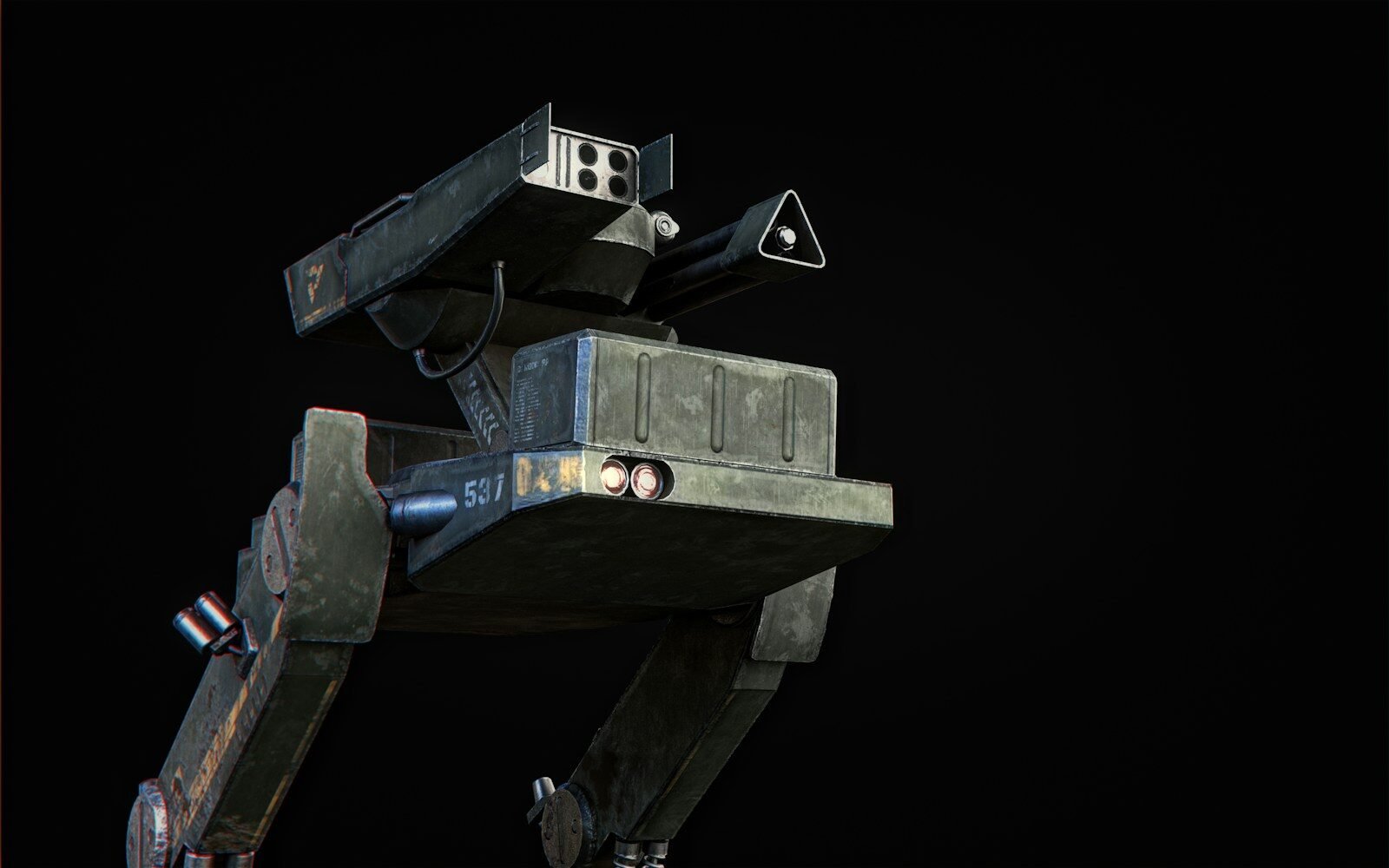
The robotics industry is entering a major transformation phase in 2026. “Mech robot” advanced mechanical robots powered by AI and automation systems are no longer limited to labs or factories. They are becoming part of logistics, healthcare, defense, agriculture, and even consumer environments.
What makes 2026 different is not just better hardware. The real shift is intelligence. Robots are now learning, adapting, and making decisions in real time using AI models, sensor fusion, and edge computing.
This article breaks down the most important mech robot trends in 2026, real-world applications, engineering direction, and insider-level insights into where the industry is heading.
What Are Mech Robots in 2026?
Mech robots refer to mechanically advanced robotic systems designed to perform physical tasks with high precision while being powered by intelligent software systems.
Unlike traditional automation machines, modern mech robots include:
- AI-based decision-making systems
- Computer vision for environment understanding
- Adaptive movement systems
- Real-time learning models
- Multi-sensor integration
In simple terms, they are machines that can “think and act” in dynamic environments.
Why 2026 Is a Turning Point for Robotics
The robotics industry has existed for decades, but 2026 marks a major shift due to three combined forces:
1. AI Integration at Scale
Large AI models are now embedded directly into robotic systems, allowing real-time decision-making.
2. Lower Hardware Costs
Sensors, processors, and actuators have become cheaper and more efficient, making robotics more accessible.
3. Industrial Demand Surge
Industries are actively replacing repetitive human tasks with robotic automation due to efficiency pressure.
Core Mech Robot Trends in 2026
Below are the most important technological and industrial trends shaping the robotics ecosystem.
1. AI-Powered Autonomous Decision Systems
The biggest shift in 2026 is autonomy. Robots are no longer dependent on fixed instructions.
What is changing:
- Robots analyze environments in real time
- They choose actions without human input
- They learn from previous tasks
Example:
A warehouse robot can now detect congestion, reroute itself, and optimize delivery paths without manual control.
Insider insight:
The real breakthrough is not speed it is decision independence. Robotics companies are investing heavily in reinforcement learning models instead of traditional rule-based programming.
2. Humanoid Mech Robots Enter Practical Use
Humanoid robots are moving from prototypes to real deployment.
Key applications:
- Warehouse operations
- Customer service environments
- Elder care assistance
- Industrial assembly lines
Why humanoids matter:
They can operate in environments designed for humans without redesigning infrastructure.
Technical trend:
New humanoid robots use:
- Advanced joint motors (high torque, low noise)
- Soft robotics skin materials
- AI vision systems with depth perception
3. Edge AI Computing in Robotics
Instead of relying on cloud servers, robots now process data locally.
Benefits:
- Faster decision-making
- Lower latency
- Improved privacy and security
- Reduced internet dependency
Real-world use:
In manufacturing plants, robots instantly detect defects without sending data to external servers.
Insider tip:
Companies integrating edge AI outperform cloud-based systems in real-time tasks by up to 40–60% efficiency.
4. Swarm Robotics Systems
Swarm robotics is one of the fastest-growing trends in 2026.
Concept:
Multiple small robots work together as a coordinated system.
Applications:
- Agricultural field monitoring
- Disaster search operations
- Warehouse sorting systems
- Military surveillance
Why it works:
Instead of one powerful machine, multiple smaller robots share tasks dynamically.
5. Soft Robotics Expansion
Soft robotics focuses on flexible, adaptive materials instead of rigid metal structures.
Advantages:
- Safer interaction with humans
- Better grip on delicate objects
- Reduced mechanical failure
Use cases:
- Food handling
- Medical surgeries
- Elderly assistance devices
Insider insight:
Soft robotics is becoming a preferred choice in healthcare because it reduces injury risk during physical interaction.
6. AI Vision Systems With Real-Time Mapping
Modern mech robots use advanced vision systems similar to human perception.
Capabilities:
- Object recognition
- Depth sensing
- Motion tracking
- Environmental mapping
Technologies involved:
- LiDAR
- Stereo cameras
- Neural vision models
Example:
Delivery robots can now navigate crowded urban environments without GPS dependency.
7. Self-Healing Robotics Systems
A new experimental trend is self-maintaining machines.
Features:
- Detect internal wear
- Predict failure before it happens
- Automatically adjust performance
- Schedule maintenance cycles
Why it matters:
Downtime is one of the biggest costs in robotics industries.
Insider note:
Predictive maintenance powered by AI reduces operational cost by up to 30% in large-scale deployments.
8. Human-Robot Collaboration (Cobots 2.0)
Collaborative robots (cobots) are evolving into safer, smarter systems.
Improvements in 2026:
- Better motion prediction
- Force-limited interactions
- Voice-controlled operations
- Gesture recognition
Industries using cobots:
- Automotive assembly
- Electronics manufacturing
- Packaging industries
Key shift:
Instead of replacing humans, robots now enhance human productivity.
9. Robotics in Agriculture (AgriBots)
Agricultural robotics is growing rapidly due to labor shortages.
Functions:
- Automated harvesting
- Soil monitoring
- Crop spraying
- Weed detection
AI role:
Robots now analyze crop health using image recognition models.
Insider insight:
Precision agriculture robots reduce fertilizer usage by up to 25–40%, improving sustainability.
10. Military and Defense Robotics Advancements
Defense robotics is advancing with autonomous surveillance and logistics systems.
Key developments:
- Autonomous drones
- Ground patrol robots
- Bomb disposal units
- AI reconnaissance systems
Important note:
Most systems focus on surveillance and logistics rather than direct combat due to ethical constraints.
Key Benefits of Mech Robots in 2026
Robotics adoption is growing due to measurable benefits:
1. Higher Productivity
Robots can operate 24/7 without fatigue.
2. Reduced Operational Costs
Less human dependency for repetitive tasks.
3. Increased Precision
AI-driven systems reduce errors significantly.
4. Improved Safety
Dangerous tasks are transferred to machines.
5. Scalability
Businesses can scale operations without linear labor growth.
Challenges Facing Mech Robot
Despite progress, several challenges remain.
1. High Initial Investment
Advanced robotics systems still require significant capital.
2. Integration Complexity
Existing infrastructure often needs upgrades.
3. Ethical Concerns
Automation raises questions about job displacement.
4. Cybersecurity Risks
Connected robots can be vulnerable to attacks.
Insider Engineering Insights (2026 Perspective)
These are observations from industry-level robotics development trends:
1. AI + Mechanical Engineering Fusion
Future robotics teams are no longer just mechanical engineers. They are hybrid AI-engineering teams.
2. Modular Robot Design
Robots are now built with replaceable modules for faster upgrades.
3. Simulation-First Development
Most robots are tested in virtual environments before physical deployment.
4. Data-Driven Movement Optimization
Motion paths are continuously improved using machine learning feedback loops.
Future of Mech Robot Beyond 2026
The next stage of robotics will likely include:
- Fully autonomous factories
- Personal home robots
- AI-driven logistics cities
- Advanced bio-robotic hybrids
- Emotion-aware robotic assistants
The line between digital intelligence and physical machines will continue to blur.
Conclusion
Mech robot trends in 2026 are defined by intelligence, autonomy, and adaptability. The industry is shifting from simple automation to fully adaptive systems that learn and evolve in real time.
AI integration, edge computing, swarm systems, and humanoid robotics are not isolated innovations they are interconnected parts of a larger transformation.
Businesses and engineers who understand these trends early will gain a significant advantage in the next decade of technological development.