

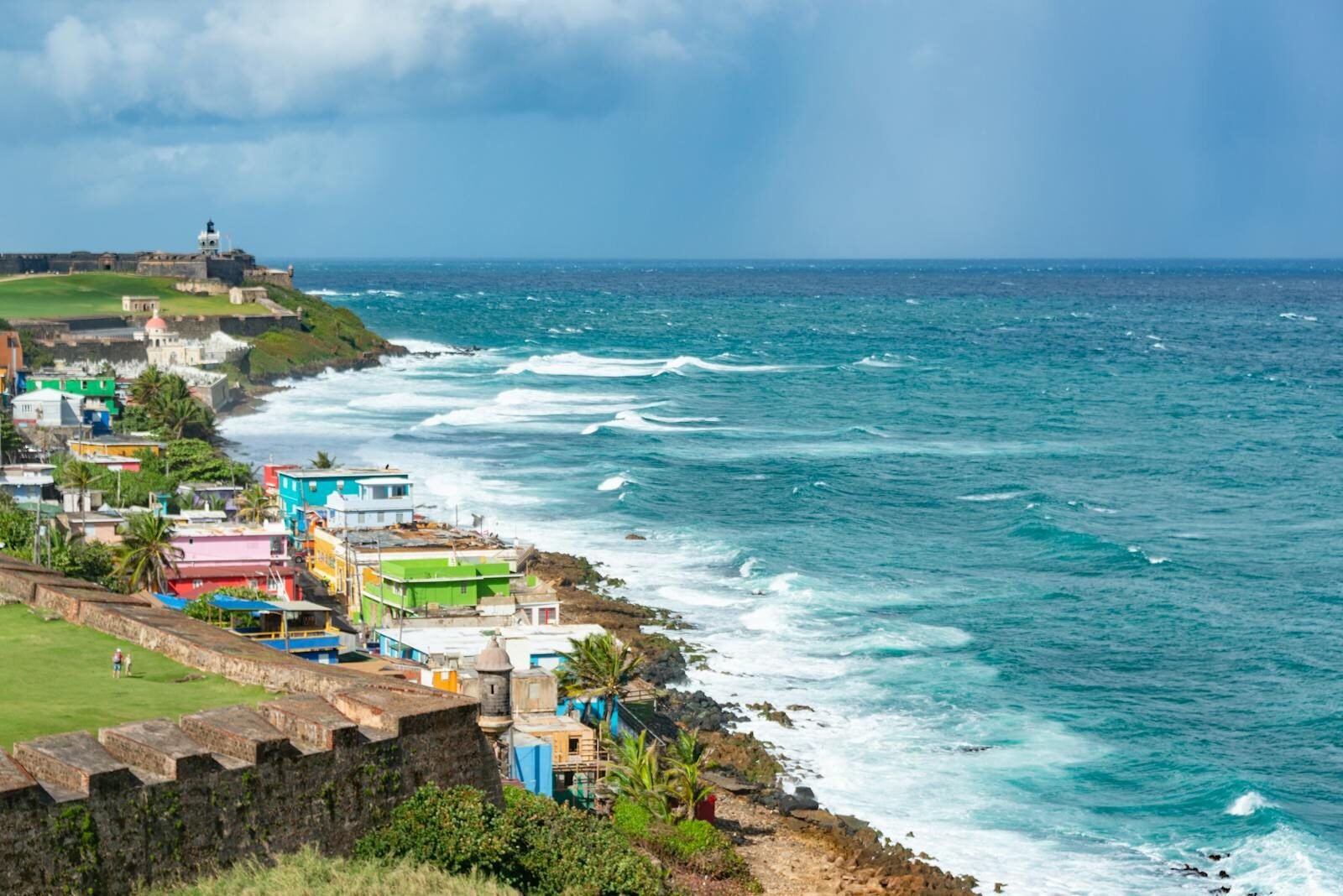
Puerto Rico is one of those destinations that genuinely rewards travelers who time their visit well. I’ve spoken with frequent visitors, local tour operators, and dug deep into the island’s seasonal patterns to put this guide together — because the difference between a trip in January and one in September isn’t just a few degrees. It’s a completely different island experience.
Understanding Puerto Rico’s Two Seasons
Puerto Rico sits in the northeastern Caribbean and runs on a straightforward two-season calendar: a dry season from roughly December through April, and a wet season from May through November. But “wet season” is a bit misleading — it doesn’t mean nonstop rain. Most rainy-season showers arrive in afternoon bursts, clearing up by evening.
Average temperatures stay comfortably warm year-round, hovering between 75°F (24°C) in winter and 85°F (29°C) in summer, so weather alone rarely ruins a trip. What matters more for planning is the combination of rainfall, hurricane risk, crowd levels, and what’s happening culturally on the island.
Month-by-Month Breakdown
December – March: The Sweet Spot
This is broadly considered the best time to visit Puerto Rico, and for good reason. The dry northeast trade winds keep humidity manageable, skies are consistently blue, and the island is buzzing with cultural energy.
December and January kick off with the longest Christmas celebration in the Western Hemisphere. Puerto Ricans celebrate from Thanksgiving all the way through Three Kings Day on January 6 (Día de Reyes), with street parties, parrandas (surprise caroling visits), and packed plazas. The town of Ponce hosts spectacular Epiphany events, and Old San Juan becomes one giant open-air party.
February brings Ponce’s famous Carnaval Ponceño, a pre-Lenten carnival that dates back centuries. The Vejigantes — masked dancers in striking black-and-red costumes covered in horns — fill the streets. If you’re visiting from the mainland US and want a cultural experience unlike anything stateside, Ponce in February delivers.
March sees more dry, sunny weather with spring breakers beginning to trickle in. This is your last chance before humidity climbs noticeably.
The catch: High season means high prices. Flight costs from major US hubs like New York (JFK/EWR), Miami (MIA), and Chicago (ORD) can spike 30–50% above shoulder season rates. Book at least 8–10 weeks out, or consider flying mid-week.
April – May: The Underrated Window
April through early May is genuinely underappreciated. The crowds start thinning, prices drop, and the weather remains largely dry — particularly in the first three weeks of April. Rainfall increases toward May, but still mostly in short afternoon bursts over the mountains.
Temperatures are warming up, which is actually great for beach and water activities. The ocean is calm, and you’ll have popular spots like Flamenco Beach in Culebra and the bioluminescent bays nearly to yourself compared to January.
This is when I’d personally recommend going if flexibility is your priority.
June – July: Hot, Humid, But Culturally Rich
June 23–24 marks the Noche de San Juan Bautista, San Juan’s patron saint festival. The celebration culminates in thousands of locals walking backward into the ocean at midnight — a tradition meant to bring good luck for the year ahead. It’s genuinely one of the most memorable things you can witness in the Caribbean.
Summer is also when the island caters heavily to Puerto Rican diaspora returning home from the US, especially from New York, Florida, and New Jersey. Family gatherings and local festivals dominate the calendar, giving travelers a more authentic slice of everyday Puerto Rican life than they might find in tourist-heavy winter months.
The trade-off: heat and humidity are at their peak. If you’re planning heavy hiking in El Yunque National Forest or biking the island interior, plan activities for early morning.
August – October: Hurricane Season — Plan Smart, Not Scared
This is the peak of the Atlantic hurricane season, and it deserves honest discussion. The most active stretch runs from mid-August through mid-October, with September historically being the riskiest month (Hurricane Maria struck in September 2017, and Maria’s infrastructure lessons have since been widely applied to the island’s rebuilding efforts).
That said, most years pass without a direct hit, and travel insurance with hurricane cancellation coverage is widely available and relatively affordable. If you do travel during this window:
- Monitor NOAA’s National Hurricane Center at nhc.noaa.gov — it’s the authoritative, real-time source for storm tracking
- Book fully refundable accommodations where possible
- Build flexibility into your itinerary
The reward for accepting a bit of weather uncertainty is some of the lowest airfares and hotel rates of the year, sometimes 40% below peak-season pricing. The island is far less crowded, and the lush green scenery from the rainy season makes El Yunque look exceptional.
November: A Hidden Gem Month
November quietly offers some of the best value on the calendar. Hurricane season is winding down, rainfall decreases noticeably, temperatures begin to ease, and the Christmas decorations going up across the island create a festive atmosphere without the December price surges. Airlines begin ramping up flight frequencies ahead of the holiday rush, which often means more options and competitive fares from US cities.
Festival Calendar: Don’t Miss These
Beyond the major events already mentioned, several festivals genuinely shape the Puerto Rican calendar:
The Casals Festival (typically held in late February or early March in San Juan) brings world-class classical music performers to the island — it was founded by cellist Pablo Casals and has been running since 1957. The Festival de la Novilla in Maunabo and the Fiestas Patronales held in nearly every municipality throughout the year give travelers insight into local identity and pride that no resort can replicate.
For food and drink lovers, Saborea Puerto Rico (usually April) is a culinary festival in San Juan spotlighting chefs from across the island and the wider Caribbean. And La Noche de Galerias in Old San Juan, held monthly, opens art galleries late into the evening with live music spilling onto cobblestone streets.
Practical Tips for US Travelers
Since Puerto Rico is a US territory, American travelers have built-in advantages: no passport required, US dollars accepted everywhere, US mobile carriers work without roaming charges, and flights are treated as domestic routes. That last point matters more than most people realize — it means no international flight taxes and a much larger pool of airline seats to choose from.
Getting around: San Juan’s metro area is walkable in key neighborhoods like Condado, Miramar, and Old San Juan, but a rental car is essential for exploring the island’s other regions — the west coast surf towns of Rincón, the southern city of Ponce, the bio-bay at Laguna Grande, or the mountainous Cordillera Central. Book your car well in advance for peak season; inventory gets thin.
Where to stay: Old San Juan for history and walkability, Condado for beach and nightlife access, Isla Verde for budget-friendly beach hotels, or Rincon if surf culture is your reason for the trip. For a quieter, more rural experience, the paradores (small guesthouses) scattered across the island’s interior offer both affordability and authenticity.
Money-saving note for mainland US visitors: The cheapest direct flights to San Juan’s Luis Muñoz Marín International Airport (SJU) typically originate from Miami, Orlando, New York, and Philadelphia. JetBlue, American, Southwest, and United all operate high-frequency routes. Budget travelers should target Tuesday–Thursday departures for the best fares.
The Honest Bottom Line
For most US travelers, mid-January through late March is the sweet spot — dry weather, packed cultural calendar, and manageable crowds if you book accommodations early. April is an underrated gem for those who prioritize value and beach serenity. Avoid August and September if you’re risk-averse about hurricanes, but don’t be scared off entirely if budget travel with travel insurance is your style.
The single best piece of advice? Don’t limit yourself to San Juan. Puerto Rico’s real magic lives in its towns, its coastline outside the tourist corridor, and in the warmth of people who take enormous pride in showing visitors what their island truly is.
Have a specific region of Puerto Rico you’re planning to visit? Ask about travel tips for Ponce, Rincón, or the east coast, and we’ll dig into the details for your specific trip.