

Planning a trip to Mexico City (CDMX) and not sure where to base yourself? You’re not alone. This is the most common question travelers ask before visiting one of the most culturally rich and geographically sprawling cities in the world — a city that is, quite literally, larger than New York. With over 1,700 distinct neighborhoods, picking the right one can make or break your entire trip.
I’ve spent significant time exploring Mexico City across multiple visits, wandering its colonias on foot, riding Ubers between barrios, and yes, making a few mistakes along the way (more on that below). This guide breaks down the best neighborhoods and hotels in CDMX so you can make a confident, informed decision that matches your travel style and budget.
Why Your Neighborhood Choice Matters More Than You Think
Mexico City’s traffic is notoriously brutal. What looks like a 15-minute trip on Google Maps can easily take 45 minutes during rush hour — and in a city this size, rush hour is basically most of the day. Staying in the wrong area means spending hours in transit rather than experiencing the city.
The good news: a handful of neighborhoods cover the needs of nearly every type of traveler. Once you understand the personality of each colonia, the decision gets surprisingly straightforward.
Quick Guide: Best Areas by Travel Style
Before diving deep, here’s a fast reference:
- Best for first-timers and foodies: Roma Norte
- Best for a calm, leafy base: La Condesa
- Best for luxury and upscale dining: Polanco
- Best for history and culture on a budget: Centro Histórico
- Best for nightlife and local energy: Juárez / Zona Rosa
- Best for families and a bohemian feel: Coyoacán
Roma Norte: The Best All-Around Neighborhood
If you only have a few days in Mexico City and want a single base that delivers everything — incredible restaurants, walkable streets, vibrant nightlife, and a genuinely beautiful environment — Roma Norte is your answer.
Situated between La Condesa, Reforma, and the Centro Histórico, Roma Norte gives you easy access to the whole city without the chaos of staying directly downtown. The neighborhood is visually stunning, lined with Art Nouveau and Art Deco architecture, leafy plazas like Plaza Río de Janeiro, and murals that cover entire building facades.
The real draw, though, is the food and bar scene. Roma Norte has become the beating heart of Mexico City’s culinary renaissance. From Panadería Rosetta (arrive early — the line forms before 9 a.m.) to Mercado Roma’s rooftop food hall, to cocktail institutions like Limantour, the neighborhood punches well above its weight. It’s the kind of place where every block turns up something worth stopping for.
Who it’s perfect for: First-timers, foodies, couples, solo travelers, anyone who wants a walkable base with energy and character.
Honest downside: Roma Norte has gentrified significantly. You’ll hear more English than Spanish in some cafés, and weekend evenings can get noisy. It’s also not the cheapest neighborhood for accommodation.
Top Hotels in Roma Norte
Nima Local House Hotel & Spa (Colima 236) is one of the most beloved boutique stays in this part of the city. Rooms are individually decorated with a mix of contemporary and classic Mexican design elements. There’s a rooftop terrace, a sun-drenched inner courtyard, and a level of warmth in the service that genuinely sets it apart. Rates are mid-range by Mexico City standards.
Colima 71 Casa de Arte is worth considering if you want more space. Designed by celebrated Mexican architect Alberto Kalach, this 16-suite property sits on one of Roma’s most elegant streets. The suites are apartment-style — ideal for longer stays — and the library alone is reason enough to book.
Hotel Parian is a newer, more affordable option in a bilevel passageway on Avenida Álvaro Obregón, right in the thick of Roma Norte’s bar and restaurant strip. Cozy rooms, a small terrace for breakfast, and direct access to some of the best nightlife in the neighborhood.
La Condesa: Quiet, Green, and Genuinely Lovely
La Condesa is Roma Norte’s calmer, greener sibling — and for many visitors, it’s actually the better base. The neighborhood revolves around two beautiful parks, Parque México and Parque España, both defined by their distinctive oval shapes. The tree-lined Avenida Ámsterdam, which encircles Parque México, is one of the most beautiful streets in the entire city.
The vibe here is noticeably quieter than Roma on weekend evenings, making it a favorite for travelers who want easy access to the city’s energy but prefer a peaceful retreat at the end of the day. It’s also popular with long-term expats and remote workers — the café infrastructure here is excellent, and most spots have fast, reliable WiFi.
Who it’s perfect for: Longer stays, couples, remote workers, runners, anyone who wants a stylish but calmer base.
Honest downside: Public transit within Condesa is a bit limited. You’ll be using Uber more often than a metro card.
Top Hotels in La Condesa
Condesa DF is arguably the most iconic hotel in the neighborhood. Housed in a triangular Art Deco building overlooking Parque España, the interior is retro-chic with natural light flooding every corner. Rooms come with Bluetooth speakers and rain showers, and the rooftop bar is a genuine highlight — one of the best in the city for a sunset drink. This is a luxury option, but it earns its price.
Hotel Villa Condesa is a solid mid-range choice, a boutique property in a 19th-century mansion with 15 suites, several with private balconies. Complimentary breakfast and genuinely attentive staff make it a comfortable, well-priced stay.
Mondrian Mexico City Condesa is a strong newer addition to the neighborhood’s hotel scene. Two blocks from Avenida Ámsterdam and three blocks from Parque México, it features a natural wine bar, a vibey outdoor restaurant, and regular pop-ups from local creatives. Great for design-forward travelers.
Polanco: Luxury, Museums, and World-Class Dining
If Roma and Condesa have the indie spirit, Polanco has the polish. This is Mexico City’s most affluent neighborhood — think wide, tree-lined boulevards, luxury boutiques (Louis Vuitton, Gucci, Hermès along Avenida Presidente Masaryk), and some of the finest restaurants in the entire country.
Two of Mexico City’s most celebrated restaurants, Pujol and Quintonil (both holders of Michelin stars as of 2026), are here. The Soumaya Museum offers seven floors of international art at no entry fee. Chapultepec Park — the city’s massive green lung — borders the neighborhood to the south. If a luxury, polished, low-stress trip is what you’re after, Polanco delivers.
Who it’s perfect for: Luxury travelers, business visitors, those who prioritize fine dining and high-end shopping, anyone wanting a quieter base with hotel brands they recognize.
Honest downside: You’ll Uber to Roma and Condesa regularly. Polanco doesn’t have the same street-level energy, and it can feel a bit sterile if you’re looking for authentic neighborhood character.
Top Hotels in Polanco
Las Alcobas (Avenida Presidente Masaryk 390) is the gold standard of Polanco boutique luxury. Named one of Travel + Leisure’s top five city hotels in Mexico for 2025, and ranked in the top 10 of Condé Nast Traveler’s Readers’ Choice Awards, it’s a property that consistently earns its accolades. Just 35 rooms and suites, each custom-furnished with warm residential touches that feel nothing like a standard hotel. The Anatol Restaurant emphasizes a farm-to-table philosophy with locally sourced Mexican ingredients.
Casa Polanco is a beautifully restored Spanish Revival mansion on a leafy Polanco street. It feels more like a private residence than a hotel — quietly luxurious, impeccably designed, with a sense of discretion that appeals to guests who don’t want to feel like they’re staying in a landmark.
Casa Ofelia (Anatole France street) is a newer mid-century property with 23 individually designed rooms. Originally built in the 1950s and meticulously renovated, it pairs high-thread-count linens with curated local artwork. A standout detail: the entire minibar is included in the room rate — a small but meaningful touch.
For those who prefer a recognizable chain with full-service amenities, the St. Regis Mexico City, The Ritz-Carlton, and the recently renovated JW Marriott Hotel Mexico City Polanco are all here, with rates starting above $200 USD per night and facilities to match.
Centro Histórico: Immerse Yourself in History
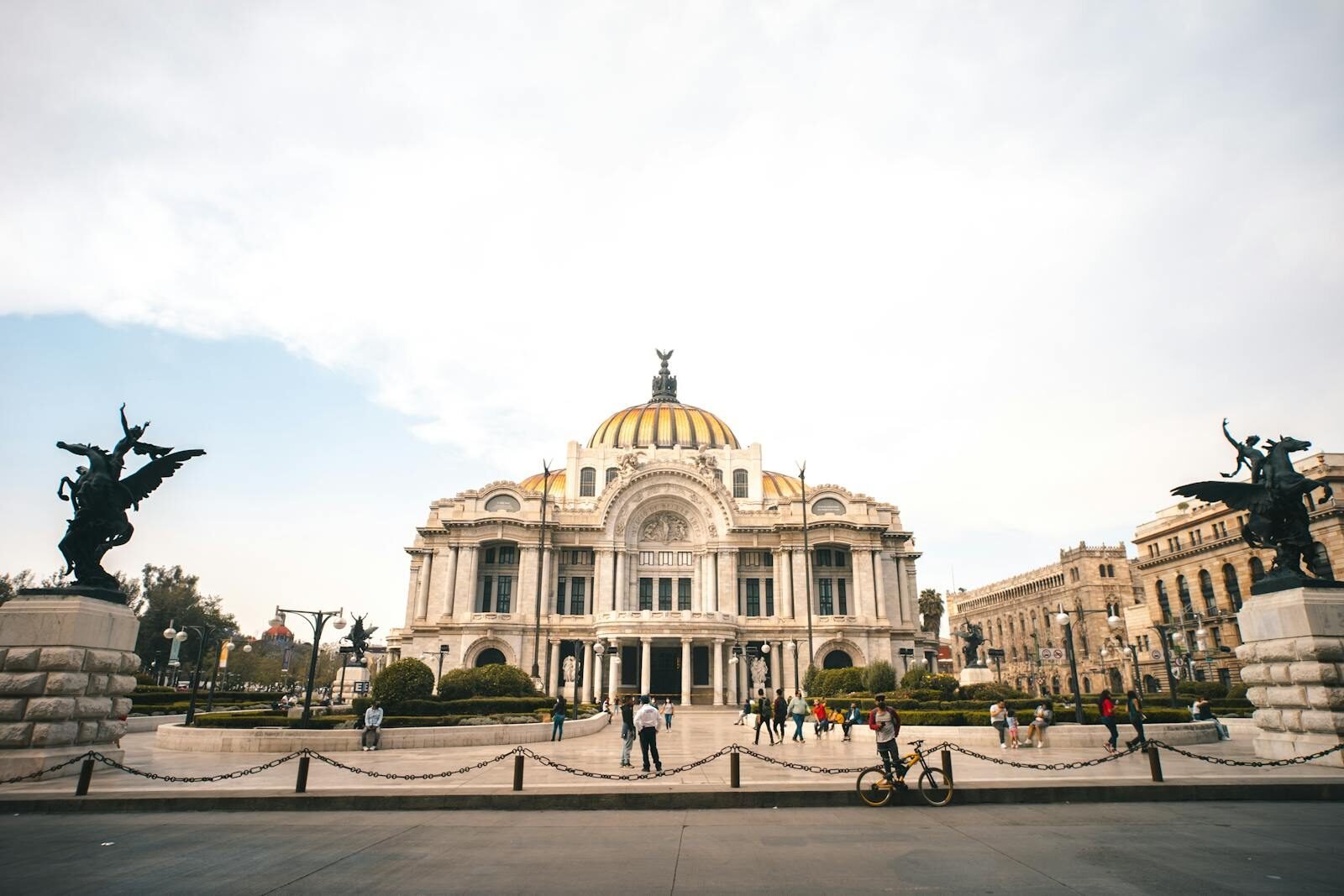
The Centro Histórico is where Mexico City began — built atop the ruins of Tenochtitlán, the ancient Aztec capital, it is one of the most historically dense neighborhoods in the Western Hemisphere. The Zócalo (the main plaza) is flanked by the Metropolitan Cathedral and the Palacio Nacional, whose Diego Rivera murals alone are worth an afternoon. The Templo Mayor archaeological site, Palacio de Bellas Artes, and Museo Mural Diego Rivera are all within easy walking distance.
That said, staying here comes with honest caveats. The Centro Histórico is spectacular during daylight hours but can feel uncomfortable at night if you wander off the main streets. Several experienced travelers who’ve based themselves here report that they wouldn’t choose it again as a “stress-free” home base.
Who it’s perfect for: History enthusiasts, budget-conscious travelers, anyone planning a primarily cultural trip centered on museums and landmarks.
Top pick: Círculo Mexicano is a standout boutique option near the Zócalo, combining contemporary Mexican design with heritage architecture and a gorgeous rooftop pool. Downtown Mexico, housed in a 17th-century palace, offers a blend of colonial grandeur and chic industrial design that’s hard to find anywhere else.
Juárez / Zona Rosa: Underrated and Increasingly Cool
Juárez sits just north of Roma Norte and has become one of the more exciting neighborhoods to stay in as the city evolves. After Roma and Condesa gentrified and prices rose significantly, many of the city’s young creatives and entrepreneurs migrated north — into Juárez. The result is a neighborhood that’s a bit rougher around the edges but increasingly compelling, with Belle Époque buildings now housing characterful, under-the-radar boutique hotels and some genuinely excellent restaurants.
Zona Rosa, on Juárez’s northern edge, is the city’s primary LGBTQ+ district and one of its biggest nightlife areas, packed with bars and clubs.
Who it’s perfect for: Travelers who want a less touristy base, nightlife seekers, LGBTQ+ travelers, those looking for better value than Roma while still being centrally located.
Top pick: Soy Local Hotel is a well-reviewed mid-range option with a colorful, distinctly Mexican interior. Comfortable rooms, central location, and a local spirit that most chain hotels could never replicate.
Coyoacán: Bohemian, Family-Friendly, and Worth the Commute
Coyoacán is a different beast entirely. Located in the southern part of the city — about 35 minutes from the Zócalo by metro — it’s quieter, more residential, and has a distinctly bohemian atmosphere with its cobblestone streets, weekend craft markets, and the famous Museo Frida Kahlo (the Blue House, where Frida Kahlo lived and worked). It’s a wonderful place to spend a day or two, especially for families.
The tradeoff is distance. Unless you’re specifically prioritizing the southern cultural corridor, staying in Coyoacán means more transit time to the city’s main attractions.
Who it’s perfect for: Families, Frida Kahlo fans, anyone wanting a quieter, more residential experience away from the touristy crowds of Roma and Condesa.
What US Travelers Should Know Before Booking
Mexico City carries a Level 2 “Exercise Increased Caution” advisory from the US State Department as of April 2026 — the same rating assigned to France, Germany, and the UK. This is worth keeping in proper context: tourist hubs like Roma Norte, La Condesa, Polanco, and Juárez are operating normally, and violent crime involving American tourists in these neighborhoods is rare.
The practical precautions are straightforward: use Uber or Didi rather than hailing street taxis, keep valuables out of sight, stay in well-lit areas at night, and stick to established bars and restaurants in the neighborhoods covered in this guide. The US Embassy in Mexico City is located in Colonia Cuauhtémoc and operates a 24/7 emergency line at +1-202-501-4444 for Americans abroad.
For the most current safety information, always check travel.state.gov before and during your trip, and consider enrolling in the Smart Traveler Enrollment Program (STEP) for real-time alerts from the US Embassy.
Direct flights to Mexico City International Airport (Benito Juárez / AICM) operate from most major US hubs including New York (JFK/EWR), Los Angeles, Chicago, Dallas, Houston, Miami, and Atlanta. Flight times range from roughly 2.5 hours from Texas to about 5.5 hours from the East Coast. Uber from the airport to Roma or Condesa typically runs $10–$20 USD and takes 30–60 minutes depending on traffic.
Budget Guide: What to Expect to Pay (April 2026)
Accommodation costs in Mexico City vary enormously by neighborhood and hotel type. Here’s a rough framework:
Budget options (under $60 USD/night): Most available in Centro Histórico and Juárez. Expect clean rooms, basic amenities, and a local atmosphere. Hostel Home in Roma is a beloved exception at the budget end.
Mid-range options ($60–$150 USD/night): The sweet spot for most travelers. Hotels like Hotel Villa Condesa, Nima Local House, and Soy Local Hotel fall here. You get boutique character, good locations, and reliable service without overpaying.
Luxury options ($200+ USD/night): Las Alcobas, Condesa DF, Casa Polanco, and the major chains in Polanco. These properties deliver world-class service, design, and dining to match their price points.
The Bottom Line: Which Neighborhood Is Right for You?
For most travelers visiting Mexico City — especially first-timers from the US — Roma Norte is the strongest all-around base. It’s walkable, beautiful, centrally located, packed with excellent food and bars, and generally safe for independent exploration. If you want something greener and a touch calmer, La Condesa is equally excellent and arguably more livable for longer trips.
Polanco is the right call if luxury and fine dining are priorities. Centro Histórico makes sense for budget travelers who are there primarily for museums and history. Juárez is the pick for savvier, repeat visitors looking to get off the tourist track.
Whatever you choose, book your hotel before you arrive — especially if you’re visiting around the FIFA World Cup in summer 2026, when Mexico City is expecting an influx of international visitors unlike anything it’s seen in decades.
Looking for more help planning your trip? Check out our complete Mexico City travel guide for restaurant picks, day trips, and everything you need to know about getting around.