

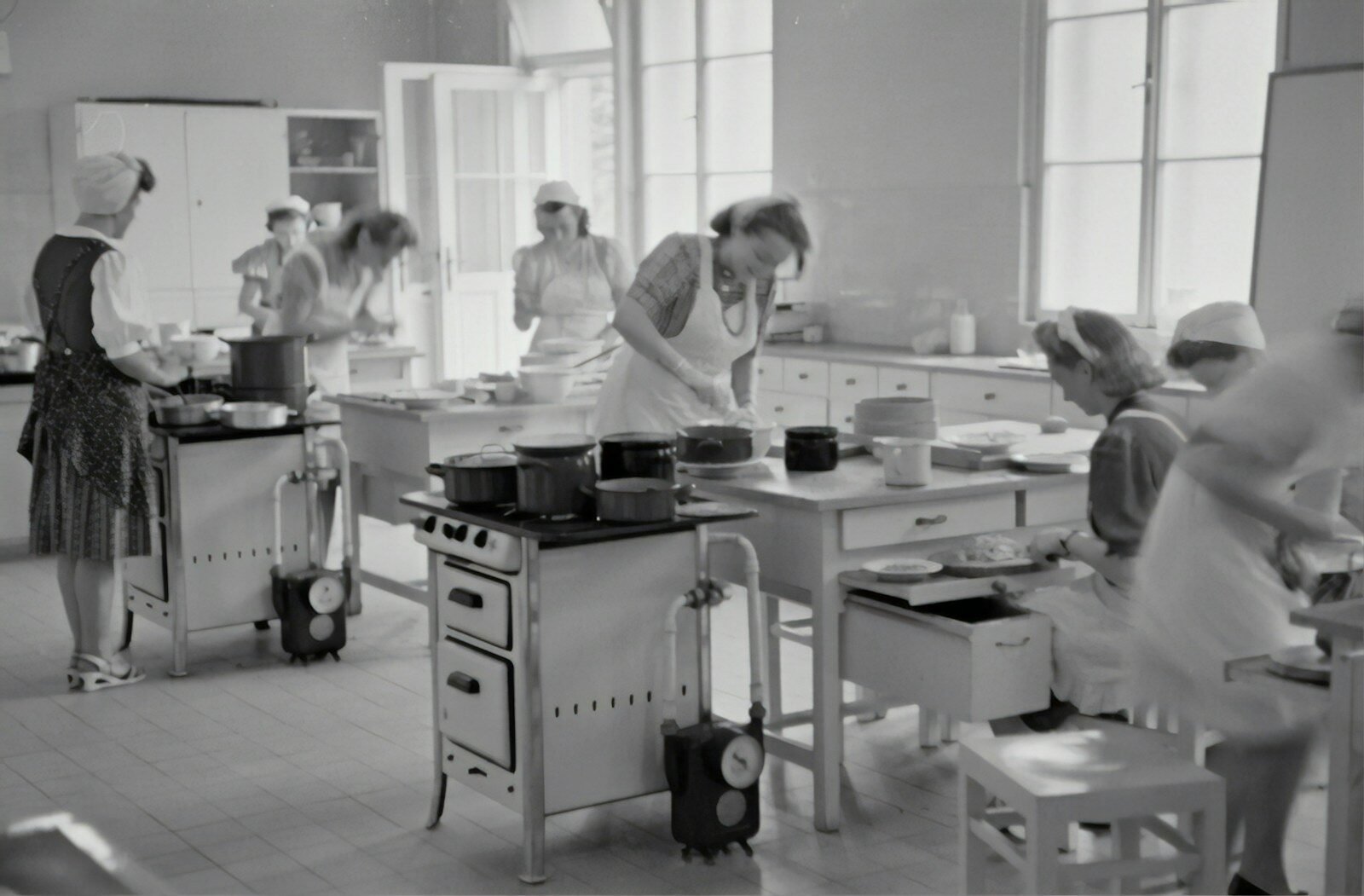
A 1920s kitchen design: classic style, layouts, and authentic details reflects a time when kitchens were becoming more functional, efficient, and thoughtfully planned. The 1920s marked a transition from purely utilitarian spaces to organized work areas with early modern influences, improved storage, and cleaner layouts.
This guide explains the defining features of 1920s kitchens, including layout principles, materials, colors, cabinetry, fixtures, and practical ways to recreate the look in a modern home without losing authenticity.
What Defines a 1920s Kitchen Design?
The 1920s kitchen was shaped by practicality and early design innovation. Unlike earlier eras, kitchens became more structured and efficient.
Core characteristics:
- Compact and efficient layouts
- Built-in cabinetry (a growing trend at the time)
- Focus on hygiene and easy cleaning
- Use of durable, simple materials
Expert insight:
The 1920s kitchen laid the foundation for the modern “work triangle” concept, even though it was not formally defined yet.
Typical 1920s Kitchen Layouts
Space efficiency was a major focus.
1. Galley-style layout
One of the most common designs.
Features:
- Parallel countertops
- Narrow walking space
- Everything within easy reach
2. L-shaped layout
Used in slightly larger homes.
Benefits:
- Better movement flow
- Separation of work zones
3. Compact work zones
Early kitchen design emphasized grouping tasks.
Key zones:
- Cooking area
- Cleaning area
- Storage area
Insider tip:
The goal was efficiency minimizing movement while cooking and cleaning.
Cabinetry and Storage
Cabinet design evolved significantly in the 1920s.
1. Built-in cabinets
Freestanding furniture began to be replaced with fixed cabinetry.
Materials:
- Painted wood
- Simple panel designs
2. Hoosier cabinets
A signature feature of many 1920s kitchens.
Features:
- Freestanding kitchen workstation
- Built-in storage compartments
- Pull-out work surfaces
3. Open shelving
Used for:
- Everyday dishes
- Frequently used items
Insider tip:
Mixing built-in cabinets with one vintage-style Hoosier cabinet adds authenticity to modern recreations.
Materials Used in 1920s Kitchens
Materials were chosen for durability and ease of cleaning.
1. Countertops
Common materials:
- Enamel surfaces
- Wood
- Early forms of laminate
2. Flooring
Popular options:
- Linoleum
- Tile (black and white patterns)
- Wood in some homes
3. Walls
Finishes:
- Painted plaster
- Tile backsplashes in work areas
Expert insight:
Linoleum was considered modern and hygienic in the 1920s, making it a key design element.
Color Schemes of the 1920s Kitchen
Color choices were simple but intentional.
Common colors:
- White
- Cream
- Soft pastels
- Light green
- Pale blue
Accent colors:
- Black (especially in flooring patterns)
- Dark green or navy in details
Why light colors were used:
They reflected cleanliness and improved visibility in smaller spaces.
Lighting in 1920s Kitchens
Lighting became more functional during this period.
1. Ceiling fixtures
Types:
- Simple pendant lights
- Early electric fixtures
2. Task lighting
Limited compared to modern kitchens but focused on:
- Work surfaces
- Sink areas
Insider tip:
Use vintage-style pendant lights with simple glass shades for an authentic look.
Appliances in the 1920s Kitchen
The 1920s saw early adoption of modern appliances.
Common appliances:
- Gas stoves
- Iceboxes (early refrigerators)
- Basic electric appliances
Design feature:
Appliances were often standalone rather than built-in.
Sink and Fixtures
1. Farmhouse sinks
Large, deep sinks were common.
Materials:
- Porcelain
- Enamel-coated cast iron
2. Faucets
Simple, functional designs with minimal decoration.
Decorative Details and Finishing Touches
Small details define the authenticity of a 1920s kitchen.
1. Hardware
Styles:
- Simple metal knobs
- Porcelain handles
2. Tile patterns
- Subway tiles
- Checkerboard floors
3. Textiles
- Simple curtains
- Cotton or linen fabrics
4. Accessories
- Glass jars
- Vintage utensils
- Wall-mounted racks
How to Recreate a 1920s Kitchen in a Modern Home
You do not need a full renovation to achieve the look.
1. Focus on key elements
- Light color palette
- Simple cabinetry
- Classic flooring patterns
2. Blend modern function with vintage style
- Use modern appliances with retro design
- Keep layout efficient but updated
3. Add statement vintage pieces
- Hoosier cabinet
- Farmhouse sink
- Classic light fixtures
4. Keep design uncluttered
Minimalism aligns with 1920s efficiency principles.
Common Mistakes to Avoid
1. Over-decorating
1920s kitchens were simple, not overly styled.
2. Using modern materials incorrectly
High-gloss finishes or ultra-modern textures break authenticity.
3. Ignoring functionality
The design should still support modern cooking needs.
Insider Tips for Authentic Results
- Choose matte finishes over glossy surfaces
- Use real materials when possible (wood, tile, metal)
- Stick to soft, muted color palettes
- Focus on proportion and simplicity
- Avoid mixing too many design eras
Benefits of 1920s Kitchen Design Today
1. Timeless aesthetic
The simplicity never goes out of style.
2. Functional layout
Efficient design improves daily use.
3. Easy maintenance
Durable materials are easy to clean.
4. Unique character
Stands out from modern, uniform kitchen designs.
Final Thoughts
A 1920s kitchen design: classic style, layouts, and authentic details offers a perfect balance between history and functionality. It combines efficiency, simplicity, and durable materials in a way that still works in modern homes.
By focusing on layout efficiency, classic materials, soft color palettes, and authentic details, homeowners can recreate a kitchen that feels both timeless and practical. The key is to respect the original design principles while adapting them to current needs.