

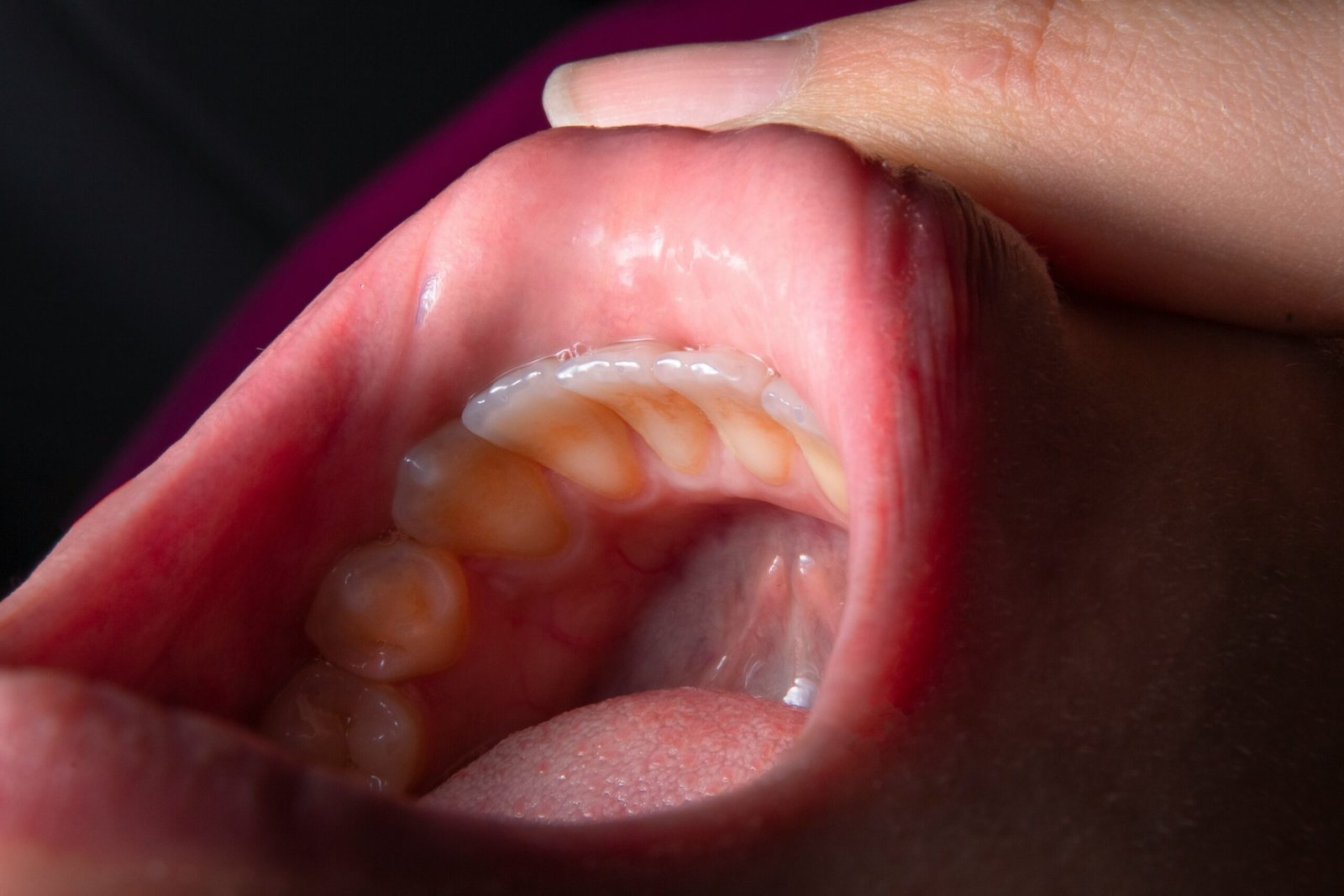
A tooth infection may begin as a small dental problem, but it can become dangerous if ignored for too long. Many people delay dental treatment because they believe the pain will go away on its own. Unfortunately, untreated infections in the mouth can spread to other parts of the body and cause serious health problems.
One question that often worries people is: How long until a tooth infection kills you? The truth is that most tooth infections do not become life-threatening if treated early. However, in rare cases where treatment is delayed for weeks or months, the infection can spread and become dangerous.
This guide explains how tooth infections develop, how long complications can take to appear, warning signs of a serious infection, and when to seek immediate medical care.
What Is a Tooth Infection?
A tooth infection, also called a dental abscess, occurs when bacteria enter the inner part of the tooth. The inner area contains soft tissue called the pulp, which includes nerves and blood vessels.
When bacteria reach the pulp, the body reacts by forming a pocket of pus. This pus-filled pocket is known as an abscess.
There are three main types of dental abscesses.
Periapical Abscess
This type forms at the tip of the tooth root. It usually develops when untreated cavities allow bacteria to reach the pulp.
Periodontal Abscess
This infection begins in the gums and surrounding bone. Gum disease often causes it.
Gingival Abscess
This type affects the gum tissue only and does not usually involve the tooth root.
Each type can cause pain, swelling, and infection if not treated.
How Does a Tooth Infection Start?
Tooth infections typically begin when bacteria enter damaged areas of the tooth.
Common causes include:
- Untreated cavities
- Cracked or chipped teeth
- Gum disease
- Poor dental hygiene
- Dental injuries
Once bacteria reach the inner tooth, they multiply quickly and trigger infection.
The body tries to fight the infection, which leads to inflammation and pus formation.
How Long Until a Tooth Infection Becomes Dangerous?
The timeline of a tooth infection can vary widely. Some infections remain localized for weeks, while others spread quickly.
Early Stage (Days to Weeks)
In the beginning, symptoms often include:
- Tooth pain
- Sensitivity to hot or cold
- Swollen gums
- Mild discomfort when chewing
At this stage, the infection usually remains inside the tooth or nearby gum tissue.
With proper treatment, the infection can be resolved easily.
Moderate Stage (weeks)
If the infection is not treated, it can spread beyond the tooth.
Symptoms may include:
- Severe throbbing pain
- Swelling in the face or jaw
- Fever
- Bad taste in the mouth
- Difficulty chewing
At this point, the infection may begin affecting surrounding tissues.
Severe Stage (Weeks to Months)
In rare cases, untreated dental infections spread through the bloodstream or nearby spaces in the head and neck.
Serious complications may develop, such as:
- Deep tissue infections
- Bone infection
- Blood infection (sepsis)
When infections reach this stage, they can become life-threatening without medical treatment.
Can a Tooth Infection Actually Kill You?
Yes, although it is rare today due to modern antibiotics and dental care.
In the past, dental infections were a common cause of death. Today, serious complications usually occur only when infections remain untreated for a long time.
If bacteria spread beyond the mouth, they may affect vital organs.
Potential life-threatening complications include:
- Sepsis
- Brain abscess
- Airway blockage
- Heart infection
Prompt treatment prevents these outcomes in most cases.
Dangerous Complications of Untreated Tooth Infections
Understanding possible complications highlights why dental care is important.
Sepsis
Sepsis occurs when infection enters the bloodstream and triggers a severe immune response.
Symptoms include:
- High fever
- Rapid heart rate
- Confusion
- Difficulty breathing
Sepsis requires emergency medical treatment.
Ludwig’s Angina
This is a serious infection in the floor of the mouth under the tongue.
It can cause:
- Severe swelling
- Difficulty breathing
- Trouble swallowing
Without treatment, the swelling can block the airway.
Brain Abscess
In rare cases, bacteria from dental infections travel to the brain.
Symptoms may include:
- Severe headache
- Neurological problems
- Fever
Brain infections require immediate medical care.
Heart Infection
Dental bacteria can sometimes infect heart valves, causing a condition called infective endocarditis.
This risk is higher in people with existing heart conditions.
Warning Signs That a Tooth Infection Is Spreading
Some symptoms indicate that an infection may be becoming more serious.
Seek medical attention if you experience:
- Fever
- Swelling in the face or neck
- Difficulty breathing
- Trouble swallowing
- Severe headache
- Confusion
- Persistent vomiting
These signs may suggest the infection has spread beyond the tooth.
How Dentists Treat Tooth Infections
Early treatment is usually simple and effective.
Antibiotics
Dentists often prescribe antibiotics to stop bacterial growth.
However, antibiotics alone may not fully eliminate the source of infection.
Root Canal Treatment
A root canal removes infected pulp from inside the tooth.
The dentist then cleans and seals the tooth to prevent further infection.
Tooth Extraction
If the tooth cannot be saved, the dentist may remove it to stop the infection.
Extraction prevents bacteria from spreading further.
Abscess Drainage
If pus has formed, the dentist may drain the abscess to relieve pressure and remove infected fluid.
How Quickly Should You See a Dentist?
You should contact a dentist as soon as possible if you notice symptoms of a tooth infection.
Early treatment:
- Stops the infection from spreading
- Relieves pain faster
- Prevents costly procedures later
Ignoring dental pain can allow bacteria to spread deeper into tissues.
Home Care While Waiting for Treatment
Home remedies cannot cure a tooth infection, but they may reduce discomfort temporarily.
Saltwater Rinse
Rinsing with warm saltwater can help reduce bacteria and soothe gum tissue.
Cold Compress
Applying a cold compress to the cheek may reduce swelling.
Over-the-Counter Pain Relief
Pain relievers may help manage discomfort until you see a dentist.
However, these methods should never replace professional treatment.
How to Prevent Tooth Infections
Preventing dental infections is much easier than treating them.
Brush and Floss Daily
Proper oral hygiene removes bacteria and food particles.
Dentists recommend:
- Brushing twice daily
- Flossing once daily
Visit the Dentist Regularly
Routine dental visits help detect cavities before they become serious infections.
Most experts recommend checkups every six months.
Limit Sugary Foods
Sugar feeds bacteria that cause tooth decay.
Reducing sugary snacks can lower the risk of cavities.
Treat Dental Problems Earl
Small issues like minor cavities can quickly become infections if ignored.
Early treatment prevents complications.
Why Tooth Infections Should Never Be Ignored
Many people underestimate dental pain, assuming it will disappear with time.
However, pain is often a sign that the body is fighting infection.
Ignoring symptoms may allow bacteria to spread to nearby tissues.
Timely treatment protects not only the tooth but also overall health.
When to Seek Emergency Care
Certain symptoms require immediate medical attention.
Go to the emergency room if you experience:
- Difficulty breathing
- Swelling that affects the eye or throat
- High fever
- Confusion
- Severe swelling of the face or neck
These symptoms may indicate a spreading infection that needs urgent treatment.
Final Thoughts
So, how long until a tooth infection kills you? In most cases, a tooth infection will not become fatal if treated promptly. However, untreated infections can become dangerous over weeks or months if bacteria spread beyond the mouth.
Modern dentistry makes it possible to treat dental infections effectively through antibiotics, root canals, or other procedures. The key is recognizing symptoms early and seeking professional care.
If you notice persistent tooth pain, swelling, or signs of infection, do not wait. Contact a dentist as soon as possible.
Taking dental health seriously protects not only your teeth but also your overall well-being.
[…] White is a dietary supplement formulated to support skin health and appearance. It typically combines collagen, glutathione, and other skin-supporting nutrients in a powder or […]