

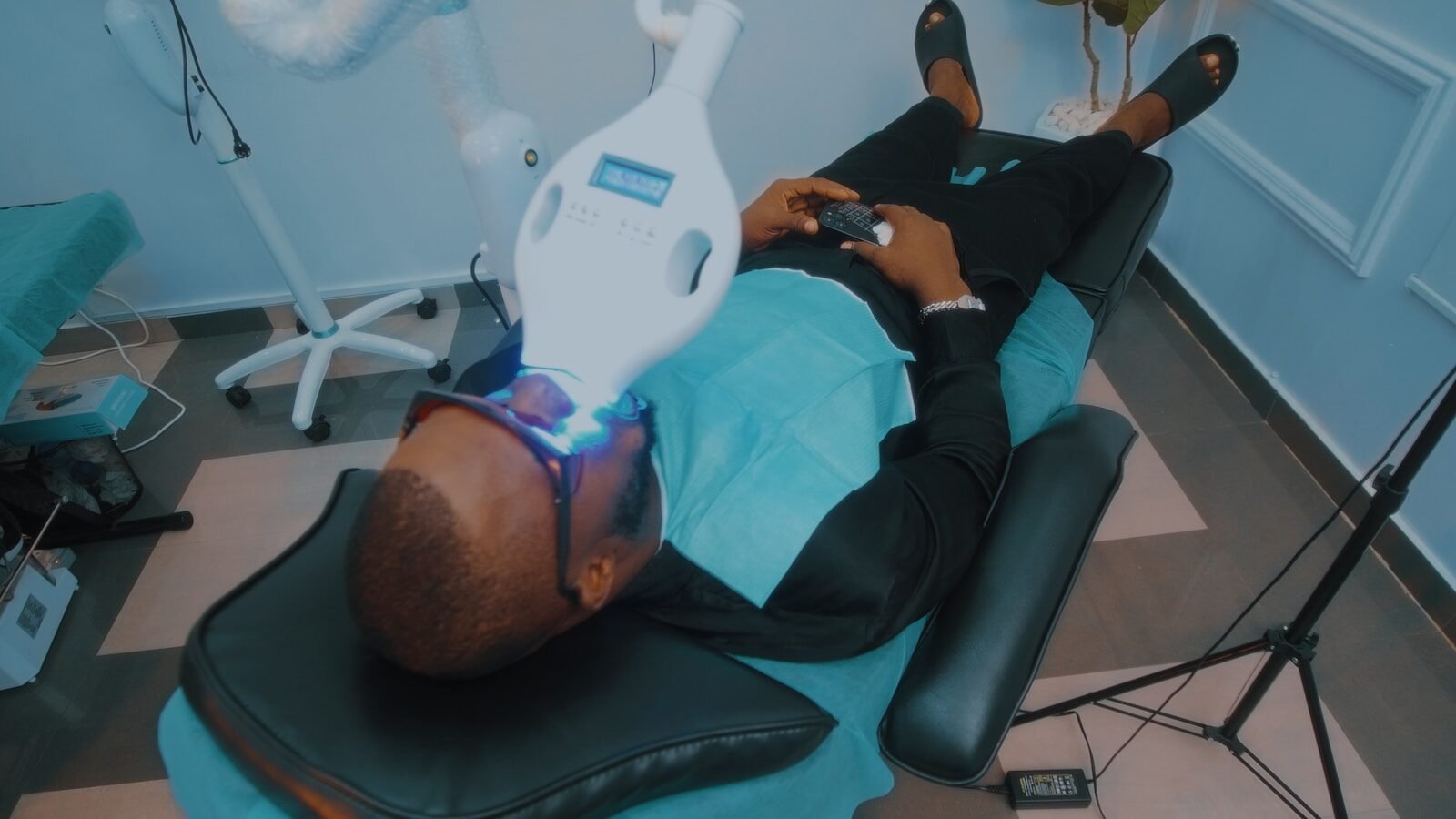
Dental care has come a long way over the past few decades. What once relied heavily on drills, scalpels, and manual techniques is now evolving with modern technology. One of the biggest shifts is the use of laser dentistry.
If you’re wondering whether laser dental procedures are better than traditional treatments, the answer is not a simple yes or no. It depends on your needs, the procedure, and your dentist’s expertise.
In this guide, we’ll break down how laser dentistry works, compare it with traditional methods, and help you decide which option might be right for you.
What Is Laser Dentistry?
Laser dentistry uses focused light beams to perform dental procedures. These lasers can cut or reshape soft and hard tissues in the mouth with high precision.
Dentists use different types of lasers depending on the treatment:
- Soft tissue lasers – used for gums and other soft areas
- Hard tissue lasers – used for teeth and bone
Instead of traditional tools like drills or scalpels, the laser does the work with minimal contact.
How Traditional Dental Treatments Work
Traditional dentistry relies on mechanical tools and manual techniques. These include:
- Dental drills for removing decay
- Scalpels for gum surgery
- Sutures (stitches) for closing wounds
- Anesthesia to manage pain
While these methods are effective and widely used, they can sometimes cause discomfort, bleeding, and longer recovery times.
Key Differences Between Laser and Traditional Dentistry
Let’s look at the main differences that matter most to patients.
1. Pain and Comfort
Laser dentistry is often less painful than traditional methods.
- Many procedures require little or no anesthesia
- The laser reduces pressure and vibration
- Patients feel less anxiety compared to drills
Traditional treatments, especially those involving drills, can cause discomfort due to vibration, noise, and pressure.
Bottom line: Laser treatments usually offer a more comfortable experience.
2. Precision and Accuracy
Lasers are extremely precise.
- They target only the affected area
- They preserve more healthy tissue
- They reduce the risk of damage to surrounding areas
Traditional tools are effective but less precise, especially in delicate procedures.
Bottom line: Lasers provide better precision in many cases.
3. Healing Time
Laser procedures often lead to faster healing.
- Minimal tissue damage
- Less swelling and inflammation
- Reduced need for stitches
Traditional procedures may involve more trauma to tissues, which can increase healing time.
Bottom line: Laser dentistry usually speeds up recovery.
4. Bleeding and Infection Risk
One major benefit of lasers is reduced bleeding.
- Lasers seal blood vessels as they work
- They sterilize the area, lowering infection risk
Traditional surgery can involve more bleeding and a higher chance of infection if not managed carefully.
Bottom line: Lasers offer a cleaner and safer treatment environment.
5. Noise and Anxiety
Dental anxiety is common, especially due to the sound of drills.
- Lasers are quiet and less intimidating
- No high-pitched drilling noise
Traditional tools can increase stress, especially for children and nervous patients.
Bottom line: Laser dentistry is more patient-friendly.
Common Procedures Done with Laser Dentistry
Laser technology is not just a trend—it’s already used in many treatments.
Gum Disease Treatment
Lasers remove infected gum tissue and bacteria with high accuracy. This helps preserve healthy gums and promotes faster healing.
Cavity Treatment
Some lasers can remove tooth decay without using a drill. This makes the process quieter and more comfortable.
Teeth Whitening
Laser-assisted whitening speeds up the process and enhances results.
Gum Reshaping
Dentists use lasers to reshape uneven gums or improve a “gummy smile.”
Root Canal Support
Lasers can disinfect root canals more effectively, improving treatment outcomes.
Advantages of Laser Dental Procedures
Here are the biggest benefits summarized:
Less Pain
Many patients report little to no discomfort during laser procedures.
Faster Recovery
You can return to normal activities sooner.
Reduced Need for Anesthesia
This is helpful for patients who are sensitive to numbing agents.
Lower Risk of Infection
The laser sterilizes the treatment area.
Minimal Bleeding
Ideal for gum treatments and surgeries.
Disadvantages of Laser Dentistry
Despite its advantages, laser dentistry is not perfect.
Higher Cost
Laser procedures can be more expensive than traditional treatments. The equipment itself is costly, which affects pricing.
Limited Use
Lasers cannot replace all dental tools. For example:
- They cannot remove old metal fillings
- They may not be suitable for large cavities
- Some procedures still require traditional methods
Availability
Not all dental clinics offer laser treatments. It depends on the dentist’s training and equipment.
Skill Matters
Laser dentistry requires special training. Results depend heavily on the dentist’s experience.
When Traditional Treatments Are Better
Traditional dentistry still plays an important role.
Here are situations where it may be the better choice:
- Complex procedures requiring manual control
- Large restorations or crowns
- Cases involving metal fillings
- Situations where laser equipment is not available
In many cases, dentists use a combination of both methods to achieve the best results.
Cost Comparison: Laser vs Traditional Dentistry
Cost is a major factor for many patients.
Laser Dentistry
- Higher upfront cost
- May reduce follow-up visits
- Faster healing can save time
Traditional Dentistry
- Usually more affordable
- Widely covered by insurance
- More accessible
Tip: Always ask your dentist for a full cost breakdown before deciding.
Is Laser Dentistry Safe?
Yes, laser dentistry is generally safe when performed by a trained professional.
Safety measures include:
- Protective eyewear
- Controlled laser settings
- Proper training and certification
Side effects are rare but may include mild sensitivity or temporary discomfort.
Who Should Consider Laser Dentistry?
Laser treatments are ideal for:
- Patients with dental anxiety
- People sensitive to pain
- Those needing gum treatments
- Patients looking for faster recovery
However, not everyone is a perfect candidate. Your dentist will evaluate your condition before recommending a treatment plan.
Expert Insight: What Dentists Recommend
Most dental professionals agree on one thing:
Laser dentistry is a powerful tool—but not a complete replacement.
Instead of choosing one over the other, modern dentistry focuses on using the right method for the right situation.
A skilled dentist will:
- Assess your oral health
- Explain available options
- Recommend the most effective approach
Final Verdict: Are Laser Dental Procedures Better?
Laser dental procedures offer many advantages:
- Less pain
- Faster healing
- Greater precision
- Lower infection risk
However, they are not always the best choice for every treatment.
Traditional dentistry remains reliable, cost-effective, and necessary in many cases.
The Smart Approach
Instead of asking “Which is better?”, ask:
“Which option is best for my specific dental problem?”
That’s where a qualified dentist can guide you.
Frequently Asked Questions (FAQs)
Are laser dental procedures painful?
Most patients experience little to no pain. In many cases, anesthesia is not required.
Do lasers replace dental drills completely?
No. Lasers cannot handle all procedures, especially complex or large restorations.
Is laser dentistry more expensive?
Yes, it can be more costly, but it may reduce recovery time and follow-up visits.
How long does recovery take?
Recovery is usually faster than traditional treatments, often with less swelling and discomfort.
Conclusion
Laser dentistry is changing how dental care is delivered. It brings comfort, precision, and faster healing to many procedures. But it doesn’t replace traditional methods entirely.
The best choice depends on your dental needs, budget, and the expertise of your dentist.
If you’re considering a dental procedure, ask about both options. Understanding the pros and cons will help you make a confident, informed decision
[…] that focuses on sharing narratives through modern online formats. Instead of relying solely on traditional text-based storytelling, LusjStories embraces multiple digital formats such […]