

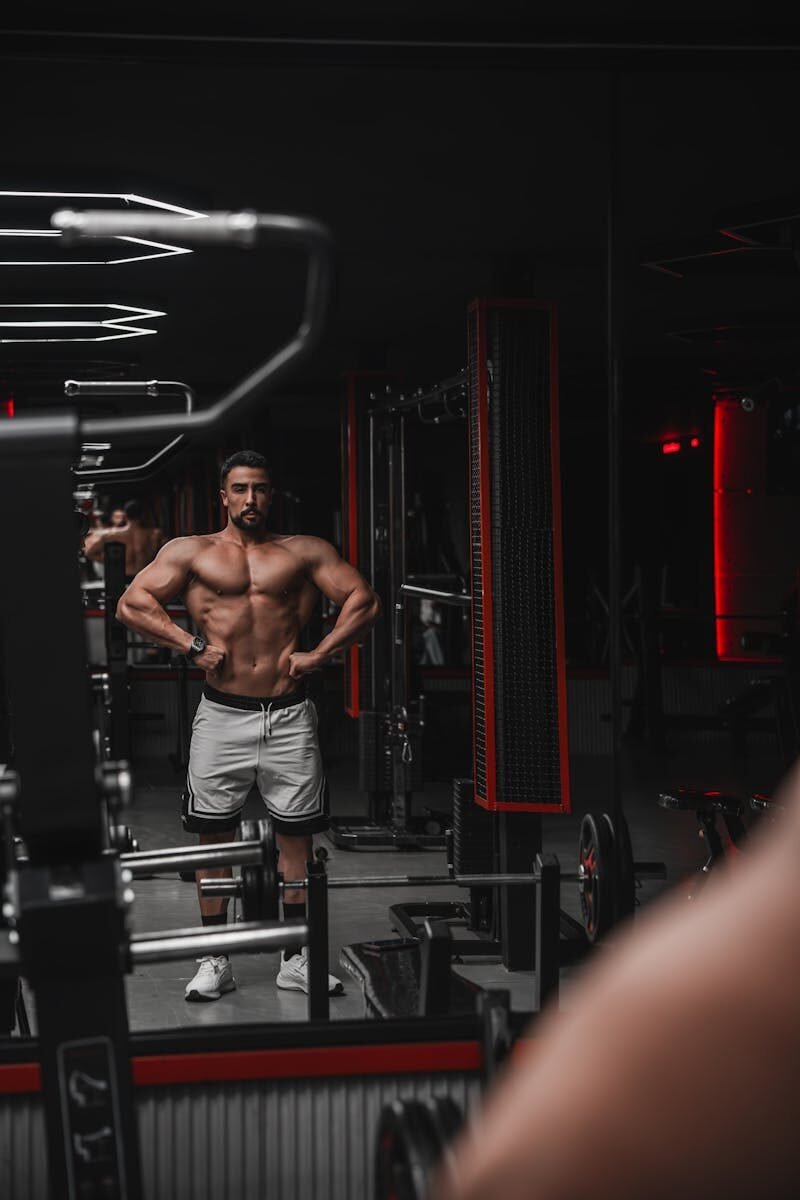
There’s a good chance you’ve seen the ads — sleek before-and-after photos, promises of “freezing away fat” or “sculpting abs without surgery,” and price tags that range from surprisingly affordable to eye-wateringly expensive. Body sculpting has become one of the fastest-growing segments of the American medical aesthetics industry, yet most people still have only a vague understanding of what it actually involves, how the science works, and whether it’s worth the investment.
The truth is, “body sculpting” is an umbrella term that covers a wide range of procedures — some non-invasive, some surgical, some backed by decades of clinical research, and some that are newer than your last smartphone. Getting good results starts with understanding the differences.
This guide breaks down exactly how body sculpting works, the main techniques available in the United States today, what real benefits you can expect, and what everything costs — without the marketing gloss.
What Is Body Sculpting?
Body sculpting (also called body contouring) refers to any medical or aesthetic procedure designed to reshape, redefine, or reduce specific areas of the body.
It’s important to set expectations clearly from the start: body sculpting is not a weight-loss solution. These procedures are best suited for people who are at or near a healthy weight but have stubborn pockets of fat — the lower abdomen, flanks (“love handles”), inner thighs, upper arms, or under the chin — that haven’t budged despite consistent effort.
The American Society of Plastic Surgeons (ASPS) reported that body contouring procedures collectively represent billions of dollars in annual procedures across the United States, with non-surgical options showing the steepest growth in demand over the past several years.
The Science Behind Fat Reduction
To understand how body sculpting works, you need a basic understanding of fat cell biology.
Your body has a relatively fixed number of fat cells (adipocytes) that you largely establish in childhood and adolescence. When you gain weight, those cells expand. When you lose weight through diet and exercise, those cells shrink — but they don’t disappear. They simply deflate and wait for the next caloric surplus.
This is the biological reason why some people lose weight across their entire body but still see disproportionate fullness in certain areas. Genetics heavily influence where your fat cells are most concentrated and most resistant to energy mobilization.
Body sculpting procedures work by one of two mechanisms:
- Destroying fat cells directly — through cold, heat, sound waves, or laser energy — so the body naturally eliminates them over the following weeks.
- Removing fat cells physically — through surgical extraction (liposuction and its variants).
Once fat cells are destroyed or removed, they don’t come back. That’s one of the genuine appeals of these procedures. However, if you gain significant weight after treatment, the remaining fat cells in the treated area can still expand — which is why maintaining a stable weight is important for lasting results.
Non-Surgical Body Sculpting Techniques
Non-surgical procedures have dominated the growth of the body sculpting market in recent years, largely because they require no anesthesia, no incisions, little to no downtime, and carry lower risk profiles than surgery. The tradeoff is that results are generally more modest than surgical options and develop gradually over several weeks or months.
Cryolipolysis (CoolSculpting)
Cryolipolysis is the most widely recognized non-surgical body sculpting technology in the United States. The brand name CoolSculpting, developed by Allergan Aesthetics, has become nearly synonymous with the category.
The procedure works by applying a controlled cooling device to a targeted area, bringing the temperature of the underlying fat tissue to around -11°C (-12°F). Fat cells are more vulnerable to cold than surrounding skin and nerve tissue — a phenomenon first observed clinically in the 1970s. At this temperature, fat cells crystallize and undergo a process called apoptosis (programmed cell death). Over the following eight to twelve weeks, the immune system gradually clears the dead cells, and the treated area visibly slims.
Most providers recommend one to three sessions per area for optimal results, and clinical studies report an average fat reduction of approximately 20–25% per treated area.
Who it’s best for: People with pinchable fat bulges in areas like the abdomen, flanks, thighs, arms, or under the chin who are close to their ideal weight and want gradual, natural-looking reduction without surgery.
Radiofrequency (RF) Body Contouring
Radiofrequency treatments use controlled thermal energy to heat fat cells and the surrounding tissue to temperatures high enough to trigger cell death and collagen remodeling simultaneously. This dual effect — fat reduction plus skin tightening — makes RF a popular choice for areas where skin laxity is also a concern, such as the abdomen after pregnancy or the upper arms.
Devices like Thermage, Exilis, and Vanquish use RF energy delivered either through contact applicators or at a distance from the skin. Treatment sessions typically last 30–60 minutes, and most protocols require a series of four to six sessions spaced one to two weeks apart for meaningful results.
One significant advantage of RF treatments is their ability to treat larger surface areas than cryolipolysis, making them well-suited for broad areas like the thighs or abdomen. They’re also effective across a wider range of skin tones and types, with a strong safety profile in clinical use.
High-Intensity Focused Ultrasound (HIFU) and Ultrasound Fat Reduction
Focused ultrasound technology delivers concentrated sound wave energy deep into fat tissue, generating heat that disrupts and destroys fat cells without affecting the skin surface.
Results typically become visible over two to three months as the body clears treated cells, and studies report fat layer reductions of 2–4 centimeters in treated areas.
High-Intensity Electromagnetic Stimulation (HIFEM)
This is a fundamentally different category from the fat-reduction techniques above. HIFEM devices — the most recognized brand being Emsculpt and its successor Emsculpt Neo — don’t primarily target fat. Instead, they use high-intensity electromagnetic fields to induce supramaximal muscle contractions — contractions far beyond what voluntary exercise can produce.
During a single 30-minute session, the device can induce approximately 20,000 muscle contractions in the targeted muscle group (typically the abdomen or buttocks). The physiological result is hypertrophy of existing muscle fibers and the creation of new muscle protein strands. Clinical studies have shown average increases in muscle thickness of around 16–19% after a standard four-session protocol, along with a concurrent reduction in the overlying fat layer of approximately 19%.
Emsculpt Neo combines HIFEM with radiofrequency energy to address both muscle building and fat reduction simultaneously in a single session — one of the more innovative convergences in the non-surgical space.
Who it’s best for: People who are already relatively lean but want to improve muscle definition and tone in specific areas, or those recovering from core weakness postpartum.
Laser Lipolysis (SculpSure and Similar)
Laser-based body contouring uses targeted laser wavelengths to penetrate the skin and heat fat cells to a temperature that causes irreversible cell damage. SculpSure, cleared by the FDA for non-invasive fat reduction, uses a 1060nm wavelength laser delivered through a frame placed against the skin.
Most protocols involve two sessions per area, spaced about six weeks apart, with results visible from six to twelve weeks after treatment.
Minimally Invasive Body Sculpting
Sitting between non-surgical and fully surgical options are minimally invasive procedures — they involve small needles or micro-incisions but don’t require general anesthesia or significant recovery time.
Kybella (Injectable Deoxycholic Acid)
Kybella is an FDA-approved injectable treatment containing synthetic deoxycholic acid — a naturally occurring molecule that disrupts and destroys fat cell membranes. It’s specifically indicated for submental fat (the “double chin” area) and involves a series of small injections directly into the fat tissue.
The destroyed fat cells are eliminated by the body’s immune system over four to six weeks. Most patients require two to four treatment sessions spaced four to eight weeks apart. Swelling and tenderness after injection is common and can be significant, which is the main patient complaint about this approach.
Lipolytic Injections (Injection Lipolysis)
A broader category of injection-based fat reduction exists beyond Kybella, involving combinations of phosphatidylcholine and other compounds to promote fat cell dissolution. Patients considering these should ensure they’re receiving FDA-approved formulations and that their provider is a licensed medical professional.
Surgical Body Sculpting Techniques
For patients seeking more dramatic or comprehensive reshaping, surgical options remain the gold standard for results. They come with greater risks, longer recovery periods, and higher costs — but also with outcomes that non-surgical methods can’t replicate.
Liposuction
Liposuction is the most performed surgical body contouring procedure in the United States. It involves the insertion of a thin tube (cannula) through small incisions, through which fat is physically broken up and suctioned out. Modern liposuction has evolved considerably from its origins:
- Tumescent liposuction: A large volume of dilute anesthetic and epinephrine solution is injected into the treatment area before fat removal, reducing blood loss and improving recovery. This is now the standard approach in virtually all U.S. practices.
- Power-Assisted Liposuction (PAL): The cannula vibrates mechanically, making fat removal easier and reducing surgeon fatigue in larger cases.
- Laser-Assisted Liposuction (SmartLipo): A laser fiber is inserted to liquefy fat before removal and simultaneously tighten the overlying skin through heat.
- Ultrasound-Assisted Liposuction (VASER): Ultrasound energy emulsifies fat before extraction, making it easier to remove and allowing more precise sculpting — particularly useful for high-definition body sculpting where the goal is visible muscle definition.
Tummy Tuck (Abdominoplasty)
When excess skin and separated abdominal muscles (diastasis recti) are the primary concern — rather than fat — liposuction alone doesn’t address the problem. A tummy tuck removes excess skin and tissue from the lower abdomen, tightens the underlying muscle fascia, and repositions the navel for a flatter, firmer contour.
It’s frequently performed as part of a “mommy makeover” — a combination of body contouring procedures popular in the U.S. among women post-pregnancy. Recovery is more involved than liposuction, typically requiring four to six weeks before returning to full activity.
Body Lift Procedures
Body lift procedures (lower body lift, upper body lift, brachioplasty for arms, thigh lift) surgically remove this redundant skin. These are among the most transformative procedures in plastic surgery and produce results that no non-surgical technology can approximate.
What Results Can You Realistically Expect?
Setting realistic expectations is arguably the most important part of the body sculpting conversation.
Non-surgical treatments produce subtle to moderate improvements — typically a one to two dress or pant size reduction in the treated area, or a noticeable softening of a specific contour. They work best on people who are already close to their ideal weight and are targeting specific, defined areas. If you’re expecting dramatic transformation from CoolSculpting alone, you’re likely to be disappointed.
Surgical procedures can produce dramatic, permanent reshaping — but they require commitment to recovery and carry real surgical risks including infection, scarring, asymmetry, and anesthesia-related complications. The best outcomes occur in patients who have stable weight, good skin elasticity, realistic expectations, and are working with board-certified plastic surgeons.
These procedures are not a pass to abandon healthy habits — they’re tools that work best when combined with them.
Body Sculpting Costs in the United States (2025–2026)
Costs vary widely by procedure type, geographic location (major metro areas like New York City, Los Angeles, and Miami command premium prices), provider credentials, and the number of areas or sessions involved. The figures below reflect current average market rates across the U.S.
| Procedure | Average Cost Per Session/Treatment |
|---|---|
| CoolSculpting (per applicator cycle) | $600 – $1,000 |
| Full CoolSculpting treatment (multiple areas) | $2,000 – $4,000 |
| Emsculpt / Emsculpt Neo (per session) | $750 – $1,000 |
| Full Emsculpt protocol (4 sessions) | $3,000 – $4,000 |
| SculpSure (per treatment area) | $1,200 – $1,500 |
| Kybella (per session, chin) | $1,200 – $1,800 |
| Radiofrequency contouring (per session) | $1,000 – $2,000 |
| Liposuction (per area) | $3,000 – $7,500 |
| Tummy tuck (full abdominoplasty) | $6,000 – $12,000 |
| Body lift (post-weight loss) | $8,000 – $20,000+ |
Insurance: With very rare exceptions (such as skin removal after medically documented bariatric surgery), body sculpting procedures are considered elective and are not covered by health insurance in the United States. Most practices offer financing through third-party providers like CareCredit or Alphaeon Credit.
A note on pricing red flags: Be cautious of providers offering prices significantly below market rates. In the medical aesthetics space, underpricing often reflects undertrained staff, off-label or counterfeit devices, or compromised safety protocols.
Choosing the Right Provider: What to Look For
The quality of your results and the safety of your experience depend enormously on who performs the procedure, regardless of which technology they’re using.
When evaluating providers, look for board certification through recognized bodies like the American Board of Plastic Surgery (ABPS) or the American Board of Dermatology (ABD). You can verify surgeon credentials directly through the American Board of Medical Specialties (ABMS) website, a free tool that lets you confirm whether any U.S. physician is board-certified in their claimed specialty.
Beyond credentials, look for before-and-after portfolios specific to the procedure you’re considering, transparent consultation practices (a good provider will tell you if you’re not an ideal candidate), and a willingness to discuss risks alongside benefits.
Who Is — and Isn’t — a Good Candidate?
Body sculpting produces the best results in people who are within roughly 30 pounds of their ideal body weight, have good skin elasticity, have realistic expectations, and are targeting specific localized concerns rather than overall weight management.
It is generally not appropriate for pregnant or breastfeeding women, people with certain medical conditions (cold agglutinin disease makes cryolipolysis contraindicated, for example), those with very loose or significantly compromised skin in the treatment area, or people seeking a substitute for lifestyle changes.
A thorough consultation with a qualified provider is the only reliable way to determine which approach — if any — is right for your specific anatomy and goals.
Actionable Takeaways Before Your First Consultation
Before you book anything, here’s how to approach the decision intelligently:
- Be honest about your goals. If you want to lose 40 pounds, body sculpting isn’t the right starting point — diet, exercise, and possibly medical weight management are. Body sculpting is for the final stretch.
- Research your provider, not just the technology. The device matters far less than the person operating it and their clinical judgment. Prioritize credentials and experience over the latest branded technology.
- Ask about FDA clearance. Any device used on your body should be FDA-cleared for the specific indication being treated. Don’t hesitate to ask directly.
- Request realistic before-and-after photos of patients with similar body types to yours — not the best results they’ve ever produced.
- Factor in the full cost. Most non-surgical protocols require multiple sessions for full results. Get a complete treatment plan quote, not a per-session teaser price.
- Allow adequate time. Non-surgical results are gradual. Don’t schedule these procedures right before a major event expecting immediate transformation — plan for a three to six month timeline to see full results.
Final Thoughts
Body sculpting has genuinely earned its popularity — the technologies work, the results are real, and for the right candidate in the right hands, they can make a meaningful difference in how someone looks and feels. But the industry is also full of overclaiming, undertrained practitioners, and patients with misaligned expectations.
The most empowered choice you can make is an informed one. Understand what each technique actually does, know what realistic outcomes look like, verify your provider’s credentials, and go in with clear, grounded expectations. Done thoughtfully, body sculpting can be a rewarding investment in yourself — one that complements a healthy lifestyle rather than replacing it.