

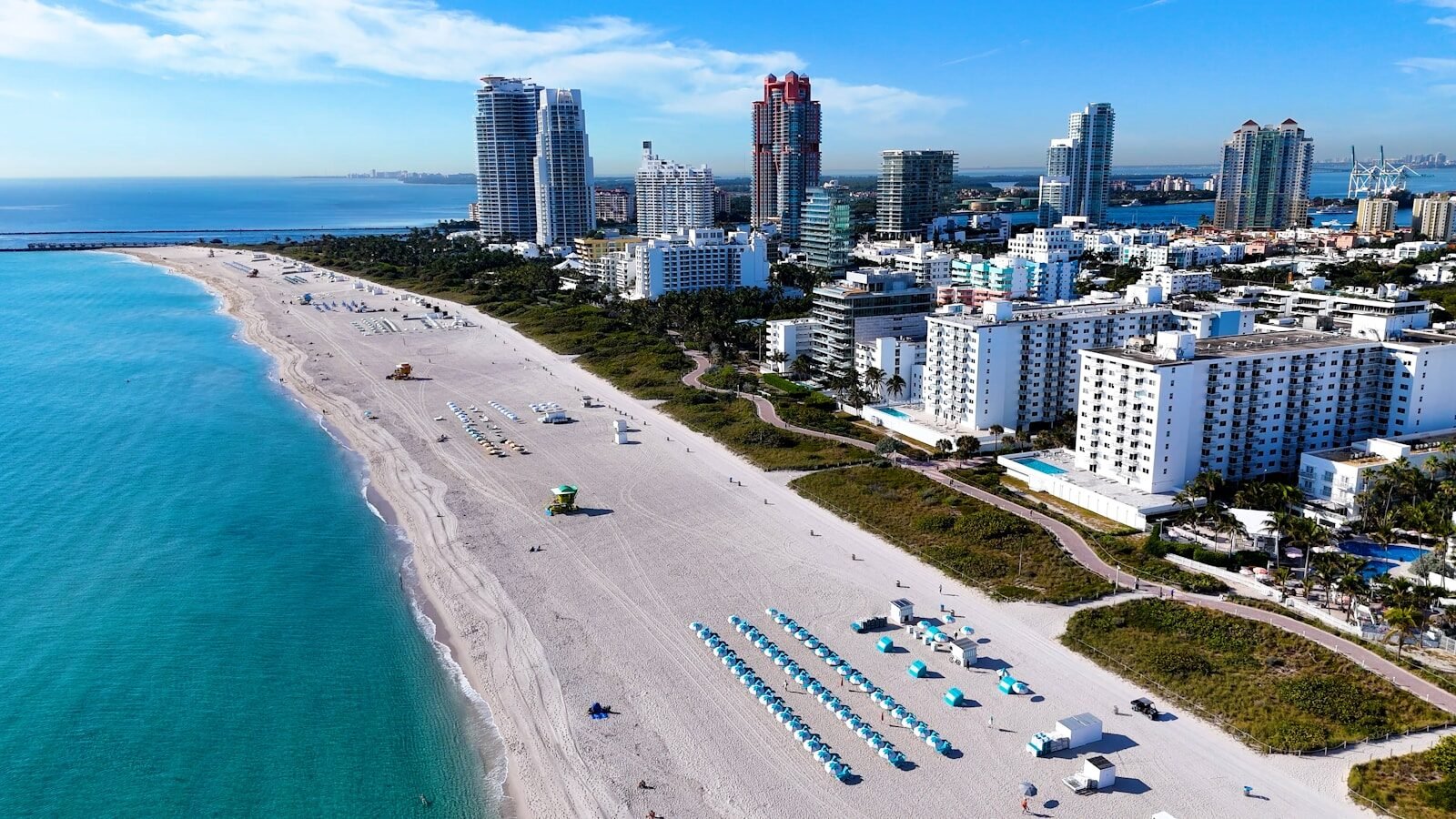
Florida does not need much of an introduction. It has sunshine, theme parks, pristine coastlines, world-class seafood, and a climate that makes most of the country envious from November through April. But here is the honest truth that most travel guides gloss over: the timing of your Florida trip can make or break the entire experience.
Visit during the wrong week and you are paying peak-season hotel rates, standing in two-hour theme park lines, and sweating through a 95-degree afternoon thunderstorm. Visit at the right time and you get warm sunny skies, manageable crowds, and hotel rooms at prices that will not make your bank account cry.
According to data released by VISIT FLORIDA in early 2026, the state welcomed a record-breaking 143.3 million visitors in 2025 — the highest annual visitation total in the state’s history. That is a staggering number, and it means that knowing when to go is more important now than ever.
This guide breaks down every season, every month, and every type of traveler — families with kids, couples, solo adventurers, budget hunters, and beach lovers — so you can plan your Florida trip with confidence.
Understanding Florida’s Two Seasons
Before diving into the month-by-month breakdown, you need to understand one foundational truth about Florida’s climate: the state essentially operates on two seasons, not four.
The Dry Season (November through April) is Florida’s golden window. Temperatures are warm but not punishing, humidity drops to manageable levels, and the threat of rain is significantly lower. This is when most of the country flees the cold and heads south, making it simultaneously the best weather period and the most expensive, most crowded time to visit.
The Wet Season (May through October) brings the heat, the humidity, and the daily afternoon thunderstorms that are as reliable as clockwork. It is also hurricane season, which officially runs from June 1 through November 30. While the rain rarely ruins a full day — storms typically roll in around 2 or 3 p.m. and clear within an hour — the heat and humidity are genuinely oppressive for anyone not accustomed to it. The upside? Hotel rates drop significantly, and the theme parks are far less crowded on weekdays.
Understanding this split is the single most useful piece of information you can have when planning a Florida trip.
Month-by-Month Guide to Visiting Florida
January — A Hidden Gem for Smart Travelers
January is one of the most underrated months to visit Florida, particularly for families and retirees escaping the northern cold. The holiday crowds from December have dissipated, yet the weather remains genuinely pleasant. Daytime temperatures across most of the state hover in the mid-60s to low 70s °F (18–23°C), with cooler evenings.
Best for: Theme park visits, outdoor sightseeing, snowbirds, budget-conscious families Weather: Mild and dry, occasional cool fronts in North Florida Crowds: Low to moderate Prices: Moderate — lower than December peak, rising slightly by late January
For families visiting Walt Disney World or Universal Orlando in January, the wait times are among the shortest of the entire year. Many locals consider the stretch from early January through Presidents Day weekend to be the closest thing Florida offers to an off-season.
One event worth noting: the Epcot International Festival of the Arts runs through late February at Disney World, offering a unique cultural experience with art, live performances, and food that goes well beyond the typical theme park formula.
February — The Sweet Spot for Couples and Snowbirds
February is consistently ranked as one of the best overall months to visit Florida, particularly for Miami and the Florida Keys. Temperatures warm slightly from January, reaching the mid-70s °F across much of the state, with South Florida occasionally touching the low 80s. Humidity is low, skies are blue, and rainfall is minimal.
Best for: Beach vacations, couples, retirees, nature lovers Weather: Warm and dry — some of the most consistently pleasant conditions of the year Crowds: Moderate, increasing toward Presidents Day weekend Prices: Moderate to high, with spikes around Valentine’s Day and Presidents Day
February is particularly magical in the Florida Keys, where water temperatures remain warm enough for snorkeling and the tourist peak of South Florida begins in earnest. The Naples area and Palm Beach are also at their sparkling best this month.
The one caveat: Presidents Day weekend (mid-February) sees a notable spike in theme park crowds and hotel prices. Book at least 2 to 3 months in advance if your dates fall near that weekend.
March — The Most Complicated Month on the Calendar
March is Florida’s most complex month for trip planning, and it requires a candid conversation. On the surface, the weather in March is arguably the best of the year — warm, sunny days with low humidity, fresh ocean breezes, and comfortable evenings. It sounds perfect because, weather-wise, it very nearly is.
The complication is spring break. For three to four weeks in March and into early April, Florida is invaded by millions of college students and school-age families on vacation. From Miami Beach to Panama City to Daytona, the crowds are enormous, hotel prices surge, and the overall vibe at beaches can shift dramatically depending on the destination.
Best for: Families who do not mind crowds, adventure seekers, young adults Weather: Outstanding — warm, low humidity, ideal beach conditions Crowds: Very high, especially at coastal destinations Prices: High to very high during spring break weeks
Practical tip: If you want March’s excellent weather without the spring break chaos, consider Central Florida’s less-visited attractions — Silver Springs State Park, Ocala National Forest, Crystal River — or book a Gulf Coast rental in a quieter town like Sanibel, Captiva, or Apalachicola.
April — One of the Absolute Best Times to Visit
For families that have flexibility and can travel in mid to late April (after most spring break crowds have cleared), this is one of the finest travel windows Florida offers all year. The weather is still beautiful, humidity has not yet spiked for summer, water temperatures are warming nicely, and prices typically come back down from their spring break highs.
Best for: All traveler types — families, couples, solo travelers, beach lovers Weather: Warm and sunny, temperatures in the mid-70s to low 80s °F, low humidity Crowds: Moderate, dropping significantly after Easter Prices: Moderate — excellent value window before summer pricing kicks in
April is also excellent for water sports. The Gulf of Mexico and Atlantic Ocean have warmed enough for comfortable swimming, and conditions for snorkeling, kayaking, and paddleboarding along the Florida Keys and the Emerald Coast are near-ideal.
May — The Last of the Good Weather Before Summer Heat
May is what travel insiders call a shoulder month — it captures the tail end of the dry season before Florida’s wet season begins in earnest. The first two weeks of May are genuinely lovely. By late May, afternoon storms are becoming more frequent and the heat has begun to climb into the high 80s and low 90s °F.
Best for: Budget travelers, families with older kids, beach vacations Weather: Warm and increasingly humid, scattered afternoon storms by late May Crowds: Low to moderate — one of the better months for theme parks Prices: Low to moderate — strong value before summer rates kick in
May is widely considered one of the two best value months in Florida (alongside November). You get excellent conditions, short park lines, and hotel rates that are noticeably lower than the peak winter and summer seasons.
June, July, and August — Summer in Florida: Eyes Open
Summer in Florida is both the most popular season (due to school vacations across the US) and the most physically demanding. Average high temperatures range from 90°F to 95°F (32–35°C), and the humidity makes it feel even hotter. Daily afternoon thunderstorms — typically arriving between 2 and 4 p.m. — are nearly guaranteed.
Best for: Families on school-year schedules, water park lovers, budget hunters willing to embrace the heat Weather: Very hot and humid, frequent afternoon thunderstorms, hurricane risk from August onward Crowds: High at theme parks and coastal resorts; surprisingly manageable at some nature-based attractions Prices: Peak season rates at major theme park hotels and beach resorts
That said, summer is not without its genuine appeals. Florida’s water parks — Typhoon Lagoon and Blizzard Beach at Disney, Volcano Bay at Universal, Adventure Island in Tampa — are spectacular summer destinations where the heat actually enhances the experience. Florida’s natural springs, including Ichetucknee Springs, Blue Spring State Park, and Ginnie Springs, maintain a constant 68°F year-round and are a beloved local escape from the summer heat.
Hurricane preparedness note: The Atlantic hurricane season peaks in early September. While a direct hit on any given vacation spot is statistically rare, the risk is real between August and October. Always purchase travel insurance with hurricane protection coverage if visiting during these months. Reputable providers like Allianz Travel and Travel Guard offer Florida-specific policies worth exploring.
September — The Quietest (and Most Underrated) Month
September is the least visited month in Florida, and for certain types of travelers — particularly couples, solo adventurers, and budget-savvy tourists without school-age children — it can be genuinely excellent. Hurricane risk peaks in early September, but outside of storm activity, the state has a quieter, more local character during this month.
Best for: Budget travelers, couples, adults without school-age children Weather: Hot and humid, highest hurricane risk of the year, afternoon storms Crowds: Lowest of any month — theme park wait times can be extraordinarily short Prices: Among the lowest of the year
Theme park enthusiasts who visit Universal Orlando or Walt Disney World in early September (outside of Labor Day weekend) often report some of the shortest wait times of the year. Some major rides that usually have 60 to 90-minute waits can be walked onto with minimal waiting. The trade-off is real heat and real hurricane risk, but for the right traveler, the reward is significant.
October — Fall’s Best-Kept Secret
October is one of Florida’s most underrated months and deserves far more attention than it typically receives. The hurricane risk drops meaningfully after mid-October, temperatures begin to ease (mid-80s °F, moving toward the upper 70s by Halloween), afternoon storms become less frequent, and the summer crowds have long since gone home.
Best for: Families, couples, budget travelers, Halloween enthusiasts Weather: Warm, increasingly pleasant, decreasing storm risk after mid-month Crowds: Low to moderate Prices: Low to moderate — excellent value
October is particularly exciting for theme park visitors. Mickey’s Not-So-Scary Halloween Party at Magic Kingdom and Halloween Horror Nights at Universal Orlando are among the most popular seasonal events in Florida, drawing enthusiastic crowds specifically for those experiences while leaving the rest of the parks relatively uncrowded. Book event tickets well in advance, as both events frequently sell out.
November — Perhaps the Single Best Month for Most Travelers
If you forced a Florida travel expert to pick one single best month for a balanced, all-around Florida vacation — good weather, reasonable prices, lower crowds, and festive seasonal programming — the answer would almost certainly be November.
The wet season has officially ended. Temperatures cool to the low-to-mid 80s °F in early November and drop toward the 70s by month’s end. Humidity falls dramatically. Crowds are thin outside of Thanksgiving week. Hotel and flight prices are at their lowest of the entire dry season.
Best for: All traveler types — virtually everyone benefits from a November visit Weather: Excellent and improving throughout the month, low humidity, minimal rain Crowds: Low, with a sharp spike at Thanksgiving Prices: Very competitive — best value within the dry season
The only exception is Thanksgiving week, when Florida sees a significant surge in family travel, hotel prices rise sharply, and theme park crowds spike. If you can travel the week before or after Thanksgiving, you get November’s excellent weather at a fraction of the holiday cost.
December — The Holiday Season in Full Force
December in Florida is magical, particularly in the first two weeks before Christmas. Theme parks pull out all the stops: Mickey’s Very Merry Christmas Party at Magic Kingdom, the Grinchmas celebration at Universal, the spectacular holiday lights at SeaWorld’s Christmas Celebration. South Florida’s weather is at or near its annual best. The beaches of the Gulf Coast and the Keys are inviting and not yet overwhelmed.
Best for: Families, couples, holiday enthusiasts, first-time Florida visitors Weather: Excellent — warm days (low to mid-70s °F in most of the state), cool evenings, minimal rain Crowds: Building through the month, extremely high from Christmas through New Year’s Prices: Moderate in early December, surging to the highest of the year from Christmas Eve through New Year’s
Book early December — you get the holiday atmosphere and the beauty of Florida winter without paying the premium that the Christmas-to-New-Year stretch commands.
Best Time to Visit Florida by Traveler Type
For Families with School-Age Children
Your scheduling reality is largely dictated by the school calendar, which limits flexibility. Given that constraint, here is the honest ranking:
The Thanksgiving week visit offers excellent weather but very high prices and crowds. Late December through early January (specifically the first week of January, after New Year’s crowds clear) gives you the holiday magic plus school-break availability. Spring break in April — particularly after Easter if the timing works — offers beautiful weather. And summer, while hot, gives families the longest continuous window to explore everything Florida has to offer.
If you have any flexibility at all, early January is the single best school-break window for theme parks: weather is mild, holiday crowds have thinned, and wait times are at their annual low.
For Couples and Adults Without Kids
You have the golden advantage of flexibility. Use it. November, February, and early May offer the best combination of weather, price, and manageable crowds. If you are specifically targeting beach relaxation, February and March on the Gulf Coast (Clearwater Beach, Siesta Key, Fort Myers Beach) or the Florida Keys deliver near-perfect conditions. For a quieter, more atmospheric Florida experience, consider September or early October when the state belongs largely to its residents.
For Budget Travelers
September is the cheapest month, but the heat and hurricane risk are real. May is the best balance of value and pleasant conditions. Early November and early January are the two best windows where you get dry-season quality at near-shoulder-season pricing.
For Nature and Outdoor Lovers
Spring — specifically March through May — is the prime window for kayaking, hiking, birding, and exploring Florida’s extraordinary natural attractions. The state’s 175+ state parks, the Everglades, and the springs of North-Central Florida are at their best in the warm-but-not-oppressive weather of spring. October and November are also excellent, particularly for Everglades airboat tours and wildlife viewing as the dry season begins.
Best Time to Visit Florida’s Top Destinations
Walt Disney World and Universal Orlando
The best months for theme parks are early January, late August through September (for short lines despite heat), October, and mid-November. Avoid the Christmas-New Year’s stretch, Fourth of July week, Presidents Day weekend, and spring break weeks at all costs if short wait times are a priority.
Miami and South Beach
The sweet spot for Miami is February through April — warm and sunny, the beach scene is active but not chaotic, and the city’s extraordinary restaurant and nightlife culture is in full swing. The Art Basel Miami Beach festival, held annually in early December, makes that window a cultural highlight as well.
The Florida Keys
December through April is ideal. The Keys have a semi-tropical micro-climate that makes even winter visits warm and pleasant. Water clarity for snorkeling and diving peaks in the dry season. Key West’s Fantasy Fest in late October is a uniquely wild annual event for adult travelers seeking something completely different.
Clearwater Beach and the Gulf Coast
March through May and October through November are the finest windows. Gulf water temperatures warm quickly in spring, and the absence of jellyfish that sometimes arrive in summer is a genuine practical benefit. The sunsets on the Gulf Coast are legendary year-round, but the clear low-humidity skies of November make them particularly spectacular.
The Everglades
December through March is the absolute best time to visit America’s largest subtropical wilderness. In dry season, wildlife concentrates around water sources, making animal sightings — including alligators, wading birds, and manatees — far more frequent. The summer wet season floods much of the park, limiting access and dramatically reducing wildlife visibility.
Florida Travel Planning: Practical Tips for 2026
Book accommodations early for peak periods. For Christmas, New Year’s, Presidents Day, spring break, and Thanksgiving, hotel inventory at popular properties near Disney or on the Gulf Coast can be gone 3 to 6 months in advance. Waiting until 4 to 6 weeks out during peak season is a recipe for limited options at inflated prices.
Purchase travel insurance for hurricane season visits. Any trip between June and November should include a policy that covers hurricane-related cancellations. The investment is modest compared to the potential loss of a non-refundable trip package.
Explore Florida’s “Hidden” Destinations. Florida’s tourism strategy for 2026 is deliberately promoting lesser-known destinations to reduce the congestion at Orlando and Miami. Towns like Apalachicola, Cedar Key, Fernandina Beach, and the Forgotten Coast on the Panhandle offer authentic Florida experiences at a fraction of the price and crowd level of the major hubs.
Consider the Brightline High-Speed Rail. The Brightline rail line, which connects Miami to Orlando (and continues expanding), is making car-free Florida travel increasingly practical. It is particularly convenient for visitors flying into Miami who want to reach Orlando’s theme parks without the rental car cost and I-4 traffic.
Start with the official source. For the most current and accurate travel information — including event calendars, park hours, and regional weather updates — the VISIT FLORIDA official travel guide is the most comprehensive and up-to-date resource available for planning any Florida trip.
For additional tips on making the most of your Florida vacation without blowing your budget, check out our guide on how to plan a family vacation on a budget — including practical strategies for saving on theme park tickets, accommodation, and dining.
Quick Reference: Florida Month-by-Month at a Glance
January — Mild weather, low crowds, excellent theme park timing, moderate prices February — Best overall weather, good for beaches and couples, moderate-to-high prices March — Outstanding weather, very high spring break crowds, high prices April — Excellent conditions, crowds clearing after Easter, moderate prices, strong value May — Warm and beautiful (early), building heat and storms (late), low prices June–August — Very hot and humid, school-vacation crowds, hurricane risk building, lower prices in shoulder periods September — Cheapest month, hottest weather, peak hurricane risk, lowest crowds October — Improving weather, low crowds, great theme park Halloween events, value pricing November — Outstanding weather, minimal crowds (outside Thanksgiving), excellent value December — Holiday magic, escalating crowds and prices through the month
The Bottom Line
There is no single universally perfect time to visit Florida — the right answer depends entirely on your priorities, your budget, your family situation, and your tolerance for heat, crowds, and rain. But if you are asking for the honest, experience-based answer:
For most families, early January and early November deliver the best overall experience. And for couples and adult travelers, February and late April are nearly unbeatable. For budget travelers willing to brave the elements, May and September offer extraordinary value.
What Florida does better than almost any destination in the United States is deliver something remarkable in every single month of the year. You just need to know what you are getting into — and now you do.