

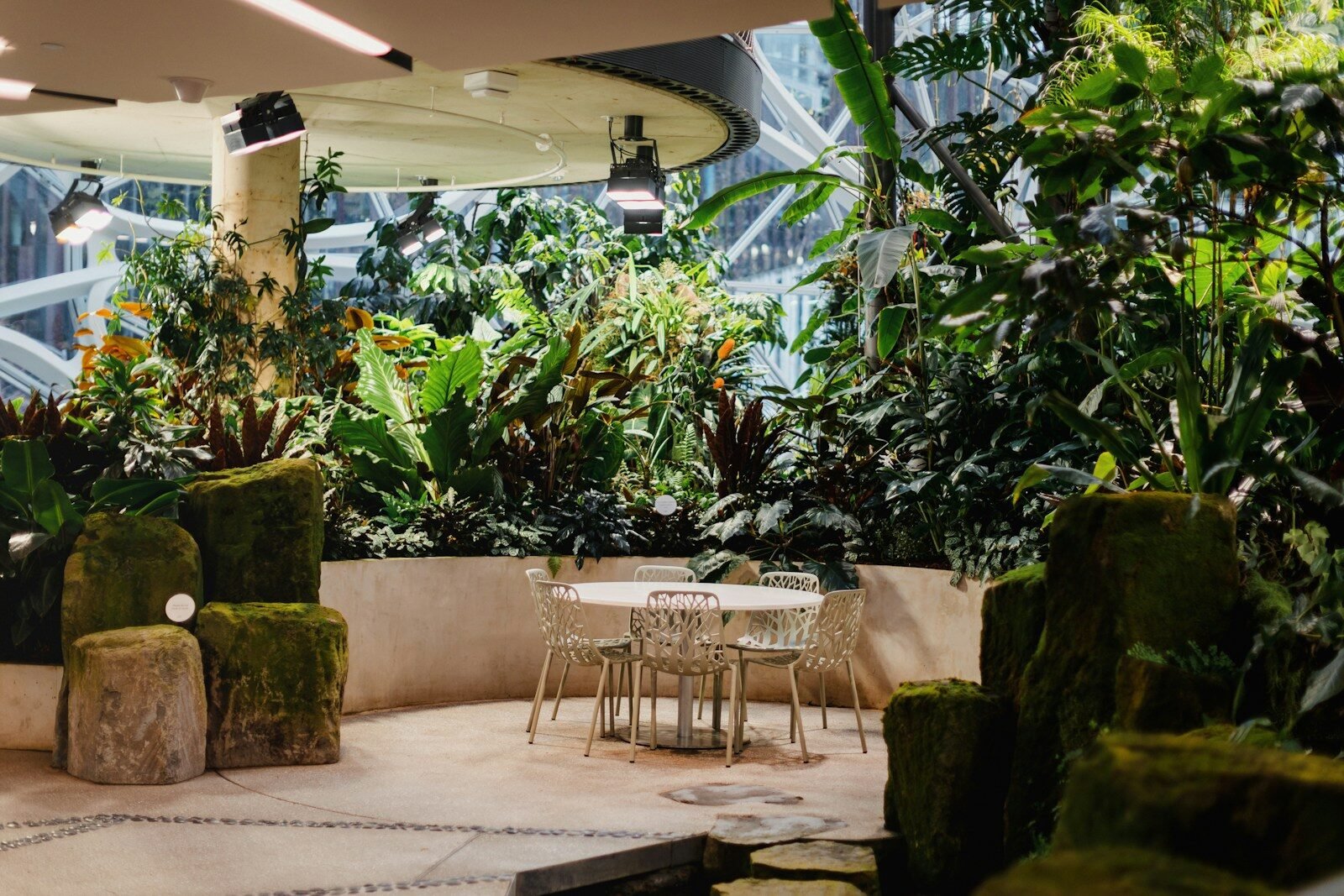
You’ve probably walked into a hotel lobby in New York City, a corporate headquarters in Dallas, or a trendy coffee shop in Seattle and instantly felt something different about the space. The air seemed fresher. The room felt calmer. You were drawn to linger. Chances are, what you were experiencing — whether you knew it or not — was interiorscaping done well.
Interiorscaping is one of those ideas that sounds technical but is actually quite intuitive. It’s the art and science of bringing the natural world inside, using living plants, water features, natural textures, and green design to transform how a space looks, feels, and even functions.
In 2026, it’s not a niche pursuit anymore. It’s a full-blown industry, a wellness strategy, and a design philosophy that’s reshaping how Americans think about the places where they live, work, and spend time.
Let’s break it all down.
What Is Interiorscaping, Exactly?
Interiorscaping refers to the art of designing indoor spaces using plants, flowers, water features, and other natural elements to improve the ambiance. This practice goes beyond simple decoration — it creates a harmonious blend of design, aesthetics, and nature. By carefully selecting the right plants, trees, and accessories, interiorscaping can bring a touch of nature into any interior space.
You can think of it as landscaping, but for the indoors. Where traditional landscaping shapes gardens, lawns, and outdoor environments, interiorscaping applies those same principles — careful plant selection, spatial composition, light considerations, and maintenance planning — to interior spaces like office buildings, homes, hospitals, retail stores, and restaurants.
The ultimate goal of interiorscaping is to craft spaces that feel open, fresh, and welcoming. Beyond just making spaces look better, interiorscaping also makes you feel better.
The term itself has been around since the 1970s and 1980s, when large indoor malls and corporate campuses in the U.S. began incorporating plants at scale. But the practice has evolved significantly since then — and post-pandemic, it’s experiencing a genuine renaissance.
Interiorscaping vs. Interior Design: What’s the Difference?
People sometimes confuse interiorscaping with general interior design, and while the two often overlap, they’re not the same thing.
Interior design is a broad discipline covering furniture, color schemes, lighting, layout, and the overall aesthetic of a space. Interiorscaping is a specific subset — or in some cases, a complementary specialty — that focuses on living, natural elements as the primary tools of transformation.
A great interior designer might specify which sofa goes in a corner. An interiorscaper thinks about which plant species will thrive under the lighting conditions in that same corner, how a vertical moss wall on the adjacent surface will improve air quality, and how a small water feature nearby will reduce ambient sound in the open-plan office beyond.
In 2026, the best interiorscaping projects are designed in collaboration with architects, interior designers, and facilities managers from the very beginning of a project — not as an afterthought.
A Brief History: How Interiorscaping Became a Real Industry
The modern interiorscape industry took off in the 1970s and 1980s during the rise of large indoor malls and corporate office buildings. Once treated as purely decorative, interior plants gained new importance after the pandemic as organizations looked for ways to support employee wellness and create healthier indoor environments.
For a long time, interior plants were a “nice to have” — a ficus in the corner, a few potted palms in the lobby. People discovered, often by accident, that a few well-placed houseplants genuinely improved their mood, focus, and sense of well-being.
Research on global plant care and interiorscaping services suggests a market in the mid-single-digit billions — around $3.5 billion in 2024 — with high single-digit annual growth, implying the market could roughly double over the next decade.
Major players in the U.S. interiorscaping space today include national firms like Ambius and Planterra, alongside a growing base of regional and local providers that serve everything from single-office suites to sprawling corporate campuses.
The Core Elements of Interiorscaping
A professional interiorscape design considers several interconnected elements:
Living Plants This is the foundation. From low-light-tolerant ZZ plants and snake plants to dramatic fiddle-leaf figs and bird of paradise specimens, plant selection is driven by the specific conditions of the space — light levels, humidity, traffic patterns, and the client’s maintenance capacity.
Green Walls and Vertical Gardens Living walls and vertical gardens transform blank walls into breathing, organic features that purify the air while creating stunning focal points. These installations range from small accent walls with cascading pothos and ferns to dramatic floor-to-ceiling gardens that serve as natural room dividers. Green walls are increasingly popular in American corporate offices, hotel lobbies, and high-end residential projects, particularly in cities like New York, Chicago, Los Angeles, and Miami.
Water Features Indoor fountains, reflecting pools, and recirculating water elements do more than look beautiful. They add ambient sound that masks noise, increase humidity in dry interior environments, and contribute powerfully to the restorative quality of a space.
Natural Materials Interiorscaping often extends to the materials used throughout a space — natural stone, reclaimed wood, live-edge surfaces, and earthy textiles that reinforce the connection to the natural world, even in the absence of living plants.
Moss Walls and Preserved Plants Not every space can support living plants. For areas with low natural light or minimal maintenance capacity, preserved moss walls and stabilized botanical installations offer the visual and psychological benefits of greenery without ongoing care requirements.
The Science-Backed benefits of Interiorscaping
This is where interiorscaping really separates itself from simple decoration. The benefits are measurable, well-documented, and meaningful.
1. Improved Air Quality
Plants act as natural air purifiers by absorbing carbon dioxide and releasing oxygen through photosynthesis. Certain plants — including spider plants, peace lilies, and English ivy are effective at reducing volatile organic compounds (VOCs). Which are commonly found in household products and building materials. NASA-funded research has demonstrated that plants can reduce indoor pollutant levels and elevate humidity to healthier and more comfortable levels.
2. Measurable Productivity Gains
Studies have found that employees in environments with plants report higher levels of job satisfaction and greater creativity. Research by Cardiff University’s School of Psychology showed that workers surrounded by plants experienced a 15% increase in productivity compared to those in plant-free offices. For American businesses spending tens of thousands of dollars per employee annually, a 15% productivity lift is significant.
3. Stress Reduction and Mental Health
Incorporating natural components into your home or office will lower cortisol levels — the stress hormone — resulting in reduced anxiety and overall mental disturbance. Exposure to biophilic features in places where we spend significant amounts of time each day can have long-term physiological benefits, including decreased blood pressure.
4. Acoustic Benefits
The acoustic benefits of biophilic design are often overlooked but equally important. Plants absorb sound waves, reducing echo and ambient noise levels. This natural sound dampening creates more comfortable work environments and can improve speech privacy in open office settings. In an era of open-plan offices, this is a genuinely practical benefit.
5. Better Business Outcomes
Survey respondents indicated they were much more willing to pay higher prices for products in greener settings versus bare ones — up to 20 percent more for convenience items. For retail environments and hospitality businesses, this is a compelling financial argument for investment in interiorscaping.
Interiorscaping in the Workplace: The 2026 Context
Interestingly interiorscaping is increasing as biophilic design gains mainstream traction and workplace wellness becomes a core part of corporate strategy. Companies are turning to interior landscaping to meet these new demands.
In 2026, American companies are actively competing for talent, and office environments are a key differentiator in that competition. The hybrid work model — where employees often have the choice to stay home. It means office spaces need to genuinely earn the commute.
Progressive companies across the U.S. are treating interiorscaping budgets the same way they treat ergonomic furniture or premium coffee programs. As investments in the human experience of work, with measurable returns in retention, productivity, and employee wellbeing.
Interiorscaping for Homes: What American Homeowners Are Doing in 2026
You don’t need a corporate headquarters budget to benefit from interiorscaping. The principles scale beautifully to residential spaces, and the 2026 home design landscape is deeply aligned with everything interiorscaping offers.
Home design in 2026 is trending hard toward warmth, natural materials that feel grounded connected to the natural world. Homeowners are moving away from stark, overly curated interiors. Gravitating toward rooms that feel grounded, inviting, and authentically personal. With richly grained surfaces, sculptural forms, and organic shapes taking the lead.
Interiorscaping fits this moment perfectly. Whether it’s a statement fiddle-leaf fig in a living room corner. A herb wall in the kitchen, a trailing pothos above the bathroom mirror. A moss wall feature behind the dining table, residential interiorscaping is more accessible and more popular.
Practical starting points for homeowners include:
- Entry and foyer plants — first impressions matter, and a well-placed statement plant sets the tone immediately
- Kitchen herb walls — functional and beautiful, with the added benefit of fresh herbs always within reach
- Bathroom greenery — humidity-loving plants like pothos, ferns, and orchids thrive here and turn a utilitarian space into a spa-like retreat
- Home office installations — desk plants and nearby greenery improve focus and reduce the psychological strain of prolonged screen time
Types of Interiorscaping Services Available in the U.S.
Custom Design and Installation Professional interiorscapers assess your space’s light levels, climate, foot traffic, maintenance constraints, and aesthetic goals before recommending a plant palette and design scheme. They handle sourcing, installation, and often the containers and structural elements required.
Plant Maintenance Programs Many U.S. businesses opt for ongoing maintenance contracts, where professional technicians visit regularly to water, prune, fertilize, and replace plants as needed. This removes the operational burden from building staff and keeps the installation looking its best.
Corporate Plant Rental Rather than purchasing plants outright, many companies rent them — typically including maintenance as part of the service. This is especially popular for businesses that want flexibility, or for temporary installations like trade show booths, pop-up retail spaces, and event venues.
Green Wall Design and Installation Vertical gardens require specialized expertise in both horticulture and structural installation. Look for providers with specific experience in living wall systems, as the irrigation, drainage, and plant selection considerations are meaningfully different from container planting.
To find certified professionals, the Interior Plant Industry and the Plantscape Industry Alliance are good starting resources for the U.S. market.
How to Choose the Right Plants for Interiorscaping
Plant selection is one of the most important — and most often mishandled — aspects of interiorscaping. The most beautifully designed installation will fail within months if the plants aren’t matched to the environment.
The key variables to assess before selecting plants are:
Light levels — This is the biggest factor. Most interior spaces receive far less light than they appear to. Measure light with a simple meter app or consult a professional. Low-light champions like pothos, ZZ plants, and cast iron plants are forgiving choices for typical office environments.
Humidity and HVAC — American office buildings and homes are typically kept at 68–74°F with HVAC systems that can dry out the air considerably. Select species that tolerate or prefer drier conditions, or plan for supplemental humidity near moisture-loving plants.
Scale and proportion — Undersized plants in large commercial spaces look sparse and accidental. Part of what makes professional interiorscaping so impactful is the use of appropriately scaled specimens.
Popular choices for American interiorscaping projects include snake plants (Sansevieria), pothos, peace lilies, ZZ plants, bird of paradise, philodendron, Chinese evergreen.
Interiorscaping and Sustainability: The LEED Connection
For commercial property owners and managers, interiorscaping connects directly to sustainability and wellness certification programs. The U.S. Green Building Council’s LEED certification and the WELL Building Standard both recognize the role of interior plants and biophilic design in creating healthier, more sustainable built environments.
Incorporating a thoughtful interiorscaping program can contribute to LEED credits and WELL certification points — which, in turn, can improve a building’s marketability, command higher rents, and signal an organization’s commitment to environmental and human health.
What to Budget for Interiorscaping in the U.S.
Costs vary widely based on the scale, complexity, and ongoing service requirements of a project.
For residential homeowners, a professional consultation and starter installation in one or two rooms might run $500 to $2,500. Larger residential projects with multiple zones, statement specimens, and ongoing maintenance can cost several thousand dollars annually.
For commercial spaces, small office interiorscaping programs typically start around $200–$500 per month for a maintenance-inclusive rental package. Mid-size corporate installations with living walls and designed plant programs can run $5,000 to $30,000 for initial installation, with ongoing monthly maintenance contracts on top.
Living wall systems are the premium tier — a professionally designed and installed vertical garden for a commercial lobby or feature wall typically ranges from $150 to $350 per square foot for installation, with monthly maintenance fees beyond that.
Common Interiorscaping Mistakes to Avoid
Underestimating the light requirement. Plants placed in corners that look bright to human eyes often receive far too little light to sustain growth.
Overwatering. This is the number-one killer of interior plants in American homes and offices. Most interior plant species prefer to dry out slightly between waterings.
Choosing plants for looks alone. A beautiful tropical specimen that needs high humidity and bright indirect light will struggle in a dry, artificially lit office. Practicality must inform selection.
Ignoring scale. Placing small, grocery-store-scale plants in a large commercial space is a common mistake. Interiorscaping has impact when it’s sized to the space.
Skipping maintenance planning. The most common reason interiorscaping projects fail isn’t poor design — it’s poor maintenance follow-through. If you can’t commit to a care routine, build professional maintenance into the budget from day one.
The Future of Interiorscaping in America
The momentum behind interiorscaping in the U.S. is real and is backed by converging forces. A post-pandemic focus on wellness, the return-to-office movement that requires spaces worth commuting to. A broader interior design culture that in 2026 is deeply oriented toward nature and organic authenticity. An expanding body of research that validates what people have always intuitively felt — we are better, healthier, and happier when surrounded by living things.
Biophilic design represents more than a trend — it’s a return to fundamental human needs in our built environments.
Whether you’re a homeowner wanting to breathe new life into your living room. A facilities manager evaluating your company’s return-to-office strategy interiorscaping is worth your attention.