

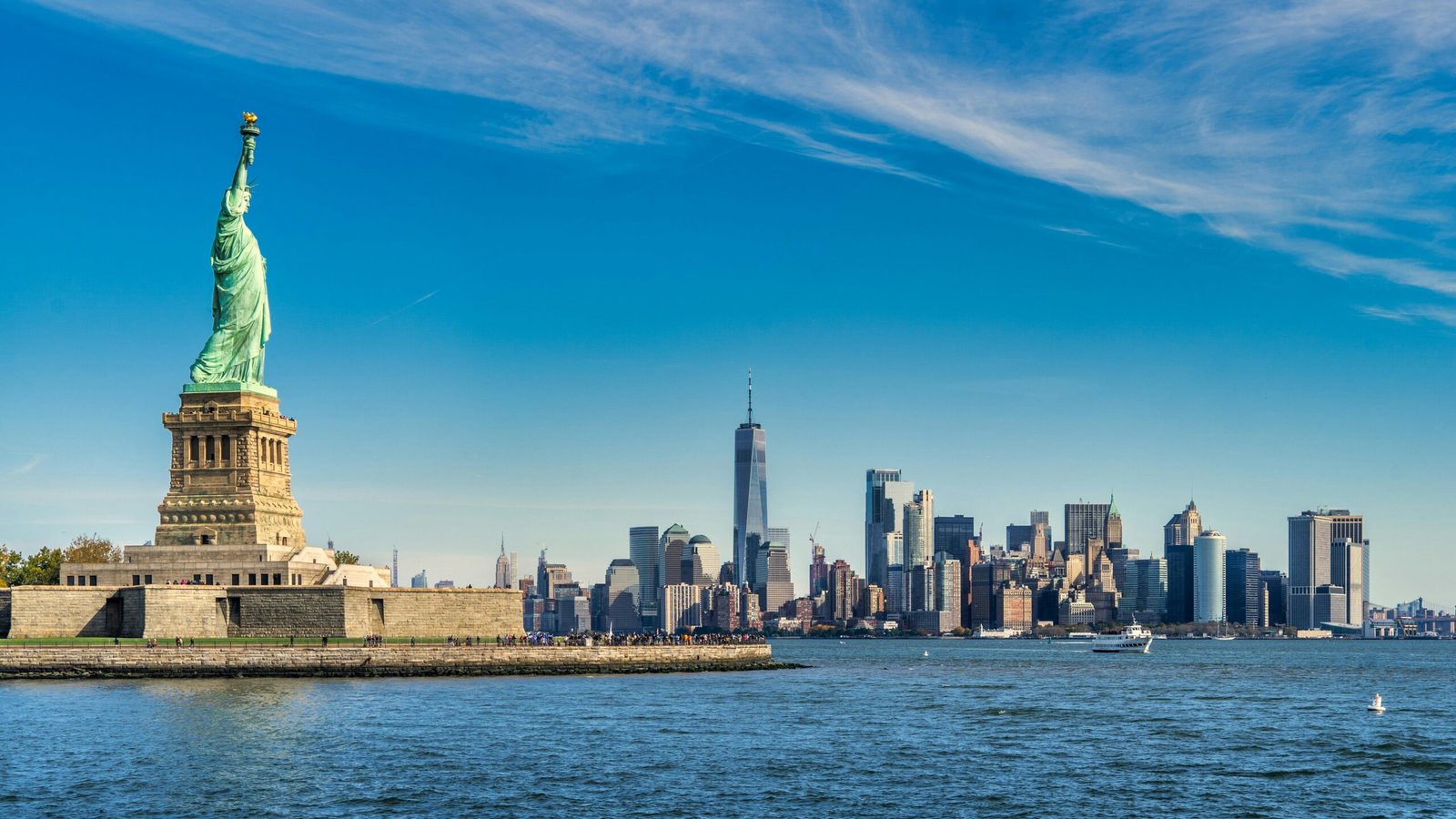
Budget Travel across the United States can be exciting, but visiting major cities often comes with a high price tag. Places like New York, San Francisco, and Los Angeles are known for expensive hotels, costly meals, and pricey attractions.
The good news is that you don’t need a large budget to enjoy these destinations. With the right planning and smart travel habits, you can explore some of the most expensive cities in the U.S. without spending too much money.
In this guide, you’ll learn practical budget travel tips for expensive cities in the USA. These strategies will help you save money on accommodation, food, transportation, and entertainment while still enjoying everything these cities have to offer.
Why Travel in Expensive Cities Can Be Challenging
Large American cities are popular tourist destinations, but their popularity also drives up prices.
Common travel costs include:
- hotel stays that can exceed $200 per night
- restaurant meals that cost $20–$40 per person
- transportation and parking fees
- expensive attractions and tours
Cities such as New York City, San Francisco, and Los Angeles consistently rank among the most expensive destinations in the United States.
However, travelers who plan carefully can reduce these costs significantly.
Choose the Right Time to Travel
Timing can make a major difference in travel expenses.
Peak travel seasons often include:
- summer months
- major holidays
- large festivals and events
During these periods, hotel prices and airfare increase.
Instead, consider traveling during shoulder seasons, which are the months just before or after peak tourist periods.
Examples include:
- April to early June
- September to early November
Hotels and flights are usually cheaper during these times, and popular attractions are less crowded.
Stay Outside the City Center
Hotels located in downtown areas tend to be the most expensive.
For example, staying in central neighborhoods of New York City or San Francisco can significantly increase accommodation costs.
A smarter strategy is to stay in nearby neighborhoods or surrounding towns.
Benefits include:
- lower hotel prices
- quieter environments
- access to public transportation
As long as the area has good transit connections, you can reach major attractions easily.
Use Public Transportation
Transportation costs can add up quickly in large American cities.
Instead of relying on taxis or rideshare services, consider using public transportation.
Many major cities offer reliable transit systems, including:
- subways
- buses
- light rail systems
For example, New York City Subway is one of the largest transit networks in the world and connects travelers to most attractions.
Buying a multi-day transit pass can save even more money if you plan to move around the city frequently.
Look for Budget-Friendly Accommodation Options
Hotels are often the biggest travel expense. Fortunately, there are several alternatives that can reduce costs.
Hostels
Modern hostels are clean, safe, and affordable. Many also offer private rooms in addition to shared dormitories.
Hostels are especially popular in cities like Chicago and Boston.
Short-Term Rentals
Platforms like Airbnb allow travelers to rent apartments or rooms at lower prices than traditional hotels.
These rentals can also provide access to kitchens, which helps reduce food expenses.
Budget Hotels
Budget hotel chains are another option. While they may not offer luxury amenities, they often provide comfortable and clean rooms at lower rates.
Booking in advance usually results in better prices.
Eat Like a Local
Dining in major U.S. cities can be expensive, especially in tourist areas.
To save money on food, try these strategies.
Visit Local Markets
Public markets often sell fresh food at lower prices than restaurants.
For example, Pike Place Market is known for affordable snacks, street food, and local specialties.
Markets allow you to experience local culture while spending less.
Try Street Food
Street vendors and food trucks offer delicious meals at reasonable prices.
Cities like Los Angeles and Austin have vibrant food truck scenes where travelers can enjoy authentic cuisine without paying restaurant prices.
Cook Your Own Meals
If your accommodation includes a kitchen, consider preparing some of your own meals.
Buying groceries from local supermarkets can reduce food costs significantly.
Even preparing breakfast yourself can save money over several days.
Take Advantage of Free Attractions
One of the best ways to save money while traveling is to explore free attractions.
Many major U.S. cities offer incredible experiences that cost nothing.
Parks and Outdoor Spaces
Urban parks provide beautiful scenery and relaxing places to spend time.
Popular examples include:
- Central Park
- Golden Gate Park
These parks offer walking paths, gardens, and free events throughout the year.
Free Museums and Cultural Sites
Some museums offer free admission on specific days.
Others provide discounted tickets during evening hours.
Before visiting a city, check museum websites to find out when free entry is available.
Walking Tours
Many cities provide free walking tours led by local guides. While tips are encouraged, the tours themselves are often free to join.
Walking tours are a great way to learn about the history and culture of a city without spending much money.
Book Attractions in Advance
Popular attractions often offer discounted tickets when purchased online.
Booking in advance can help you:
- avoid long lines
- secure lower prices
- plan your itinerary more efficiently
Some cities also offer tourist passes that bundle multiple attractions into one discounted ticket.
These passes can provide good value if you plan to visit several attractions.
Use Travel Apps and Discount Platforms
Technology can help travelers find better deals.
Several apps and websites specialize in travel savings.
Examples include:
- Hopper for airfare tracking
- Google Maps for public transit routes
- Yelp for affordable restaurants
Using these tools makes it easier to compare prices and find budget-friendly options.
Avoid Tourist Traps
Restaurants and shops located directly next to major attractions usually charge higher prices.
For example, dining near landmarks in Las Vegas or Miami can cost significantly more than eating a few blocks away.
Instead, explore neighborhoods where locals spend their time.
These areas often provide:
- better food
- lower prices
- more authentic experiences
Walk Whenever Possible
Many U.S. cities are highly walkable.
Walking helps you save money while also allowing you to discover hidden places, local shops, and interesting neighborhoods.
Cities like San Francisco and Boston are especially enjoyable for exploring on foot.
In addition to saving money, walking provides excellent photo opportunities and memorable travel experiences.
Look for Free Events and Festivals
Large cities regularly host free events such as:
- music festivals
- street fairs
- outdoor movie nights
- art exhibitions
Checking local event calendars before your trip can reveal many free activities.
These events allow travelers to experience local culture without spending extra money.
Pack Smart to Avoid Extra Expenses
Packing wisely can prevent unnecessary purchases during your trip.
Important items include:
- reusable water bottles
- comfortable walking shoes
- portable phone chargers
- weather-appropriate clothing
Buying these items at tourist locations can be expensive, so bringing them from home saves money.
Travel With Friends or Family
Traveling with others can reduce many costs.
Shared expenses may include:
- hotel rooms
- rental cars
- groceries
- group attraction tickets
Splitting these costs makes visiting expensive cities more affordable.
Group travel also creates opportunities for shared experiences and memories.
Set a Daily Budget
Setting a daily spending limit helps travelers stay in control of their finances.
Before your trip, estimate how much you want to spend each day.
Divide your budget across categories such as:
- food
- transportation
- attractions
- shopping
Tracking expenses helps prevent overspending and keeps your travel plans sustainable.
Best Expensive U.S. Cities You Can Visit on a Budget
Even though these destinations are known for high costs, they can still be explored affordably.
Some popular examples include:
- New York City
- San Francisco
- Los Angeles
- Seattle
- Boston
Each of these cities offers many free attractions, diverse neighborhoods, and budget-friendly travel opportunities.
Final Thoughts
Traveling to expensive cities in the United States does not have to drain your savings. With careful planning and smart decisions, you can explore world-famous destinations while staying within your budget.
Key strategies include:
- traveling during off-peak seasons
- choosing affordable accommodation
- using public transportation
- enjoying free attractions and events
- eating at local markets or food trucks
These simple tips make it possible to experience vibrant cities like New York City or San Francisco without overspending.
With the right mindset and preparation, even the most expensive destinations can become accessible for budget-conscious travelers
[…] Vickers is a digital marketing strategist known for his work in search engine optimization, content strategy, and organic […]