

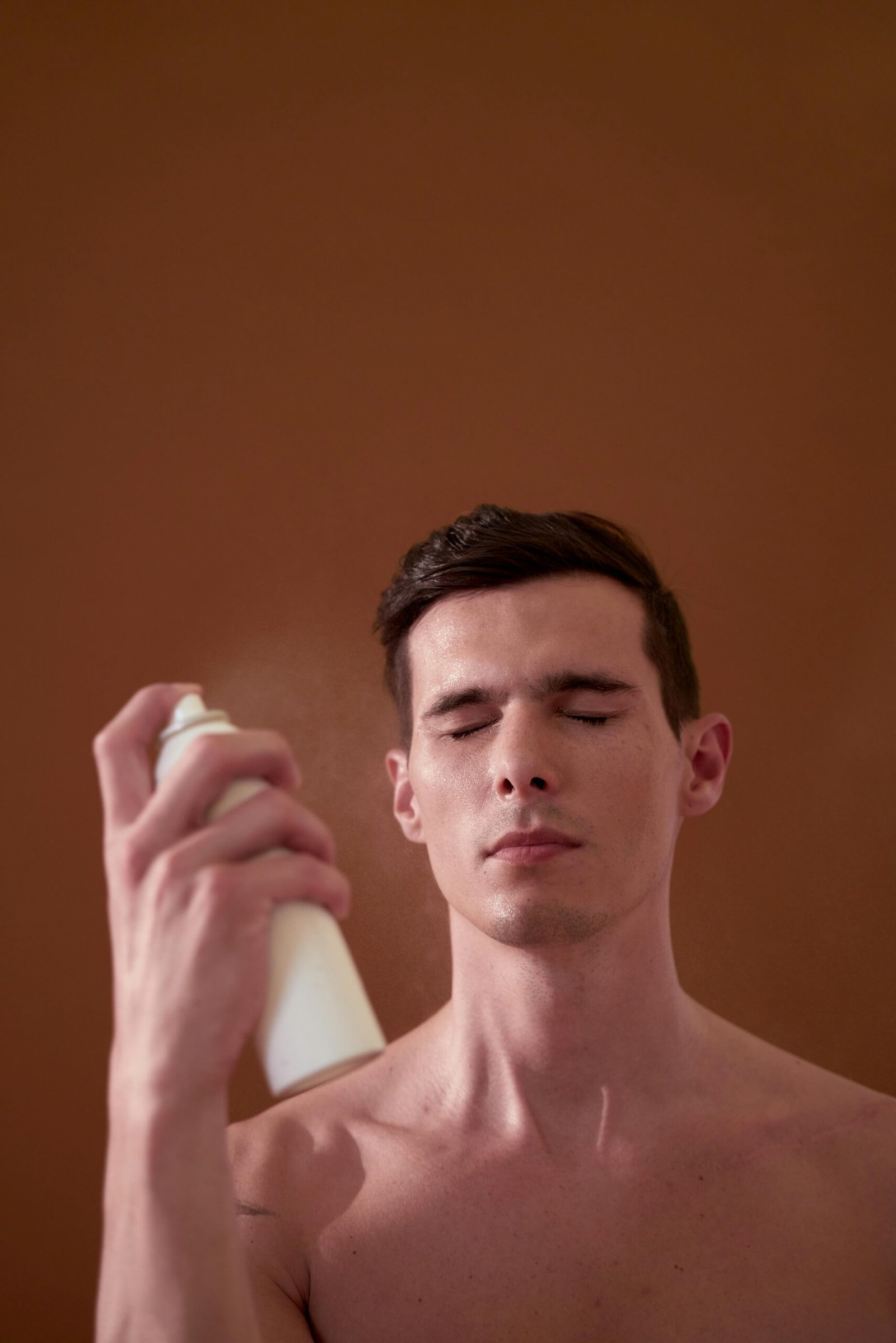
Spray tanning has become one of the most popular ways to achieve a sun-kissed glow without exposing your skin to harmful UV rays. Whether you are preparing for a wedding, vacation, photoshoot, or simply want a healthy-looking tan, spray tans offer fast and visible results.
But one of the most common questions people ask is: How long does a spray tan actually last?
The answer depends on several factors such as your skin type, preparation, aftercare routine, and the type of tanning solution used. In most cases, a spray tan lasts between 5 and 10 days, but with proper care, you can extend the life of your glow.
In this complete guide, we will explain everything you need to know about spray tan longevity, what affects it, and how to make your tan last as long as possible.
What Is a Spray Tan?
A spray tan is a sunless tanning method where a fine mist of tanning solution is sprayed onto the skin. The solution typically contains DHA (dihydroxyacetone), a colorless sugar that reacts with amino acids in the outer layer of the skin.
This reaction creates a temporary darkening effect that mimics a natural tan.
Unlike traditional tanning methods, spray tanning does not require UV exposure, which makes it a safer option for people who want bronzed skin without increasing their risk of skin damage.
Spray tans are commonly done in:
- Professional tanning salons
- Mobile spray tan services
- At-home spray tan kits
Professional spray tans usually provide the most even and long-lasting results.
How Long Does a Spray Tan Last on Average?
Most spray tans last between 5 and 10 days.
However, the visible color usually develops in stages:
1:
The bronzer appears immediately after the spray session.
2–3:
The tan reaches its deepest and most natural shade.
4–7:
The color slowly begins to fade as your skin naturally exfoliates.
8–10:
Most of the tan disappears as dead skin cells shed.
Because spray tan color sits only on the outer layer of skin, it fades as the skin renews itself.
Factors That Affect How Long a Spray Tan Lasts
Not all spray tans fade at the same speed. Several factors can influence how long your tan remains visible.
Skin Type
Your skin type plays a major role in tan longevity.
- Dry skin may cause the tan to fade unevenly or appear patchy.
- Oily skin may break down the tanning solution faster.
- Well-hydrated skin helps the tan fade more evenly.
Keeping your skin moisturized is one of the best ways to maintain your spray tan.
Skin Cell Turnover
Everyone’s skin renews itself at different speeds. On average, skin cells regenerate every 28 days, but the outermost layer sheds more frequently.
People with faster cell turnover may notice their spray tan fading sooner.
Activities that increase skin shedding include:
- Frequent exfoliation
- Hot showers
- Swimming
- Intense workouts
Pre-Tan Preparation
Preparation before your spray tan session can significantly affect how long the tan lasts.
Proper preparation includes:
- Exfoliating the skin 24 hours before the appointment
- Removing lotions, oils, and deodorant
- Shaving or waxing beforehand
When the skin is clean and smooth, the tanning solution adheres better and produces a more even result.
Aftercare Routine
How you care for your skin after a spray tan makes a huge difference.
Poor aftercare can cause the tan to fade quickly or become uneven.
Important aftercare habits include:
- Avoiding water for at least 8 hours after tanning
- Using gentle, sulfate-free body washes
- Moisturizing daily
- Avoiding harsh scrubs
Good aftercare can extend the life of your tan by several days.
Timeline of a Spray Tan
Understanding how a spray tan develops can help you plan events or special occasions.
First 8 Hours
During this period, the DHA reacts with the skin.
You should avoid:
- Showering
- Sweating
- Swimming
- Tight clothing
Water exposure during this stage can interfere with the development process.
First Shower
Your first shower usually occurs 8–12 hours after the spray tan.
During this shower:
- The cosmetic bronzer washes off
- Your real tan begins to show
Do not panic if the water appears brown. This is normal.
Peak Color
The tan typically reaches its best appearance within 24 to 48 hours.
This is when your color looks most natural and even.
Many people schedule spray tans 1–2 days before major events for this reason.
Gradual Fading
After about 5 days, the tan begins to fade gradually.
This happens because your skin naturally sheds dead cells.
With good care, the fade should look smooth rather than patchy.
How to Make Your Spray Tan Last Longer
While spray tans are temporary, you can take steps to extend their lifespan.
Exfoliate Before Your Appointment
Exfoliation removes dead skin cells and creates a smooth surface for the tanning solution.
Focus on rough areas such as:
- Knees
- Elbows
- Ankles
- Hands
Avoid oil-based scrubs because they can leave residue on the skin.
Moisturize Daily
Hydrated skin helps maintain your spray tan.
Use a light, oil-free moisturizer once or twice a day.
Dry skin can cause the tan to crack or fade unevenly.
Avoid Long Hot Showers
Hot water can dry out your skin and accelerate fading.
Instead:
- Take shorter showers
- Use lukewarm water
- Pat your skin dry instead of rubbing with a towel
These small habits help preserve your color.
Choose Gentle Body Wash
Harsh soaps can strip the tanning pigments.
Look for:
- Sulfate-free cleansers
- Moisturizing body washes
- Products designed for spray tans
These products are gentler on your skin.
Limit Swimming
Chlorine and salt water can shorten the life of a spray tan.
If you plan to swim:
- Apply a water-resistant moisturizer beforehand
- Rinse off immediately after swimming
This helps protect the tan from fading too quickly.
Wear Loose Clothing
Right after your spray tan, tight clothing can rub the solution off before it fully develops.
Wear loose items such as:
- T-shirts
- Sweatpants
- Sandals
Dark clothing is also recommended because the bronzer may transfer slightly.
Why Spray Tans Sometimes Fade Unevenly
Many people worry about patchy fading. This usually happens because of uneven skin preparation or lifestyle habits.
Common causes include:
Dry Skin
Dry areas absorb more solution and fade differently.
Heavy Sweating
Sweat can break down the tanning color.
Harsh Skincare Products
Products with alcohol, retinol, or exfoliating acids may strip the tan faster.
Frequent Shaving
Shaving removes surface skin cells and speeds up fading.
To avoid patchiness, focus on hydration and gentle skincare.
Can You Extend a Spray Tan With Self-Tanner?
Yes, you can extend your spray tan using gradual self-tanning lotions.
These products deposit a small amount of color each day, helping maintain the shade as your spray tan fades.
For best results:
- Start using gradual tanner around day 4 or 5
- Apply evenly after moisturizing
- Wash your hands after application
This can add several extra days to your tan.
How Often Can You Get a Spray Tan?
Most people schedule spray tans every 7 to 10 days.
However, professional technicians usually recommend allowing the previous tan to fade almost completely before getting another one.
This prevents buildup and keeps the color looking natural.
If you spray tan too frequently, the color may appear uneven.
Spray Tan vs Sun Tan: How Long Do They Last?
It is helpful to compare spray tans with traditional sun tans.
| Feature | Spray Tan | Sun Tan |
|---|---|---|
| Duration | 5–10 days | Several weeks |
| Skin Damage | None from UV | High UV exposure |
| Development Time | 8–24 hours | Days or weeks |
| Safety | Generally safe | Risk of skin damage |
Although sun tans may last longer, spray tanning is widely considered the safer option.
Signs Your Spray Tan Is Fading
Your spray tan may be fading if you notice:
- Lighter color in high-friction areas
- Patchy spots on elbows or knees
- Slight peeling or dryness
- Gradual return of your natural skin tone
At this stage, you can either allow it to fade naturally or use exfoliation to remove the remaining color.
How to Remove a Spray Tan Faster
Sometimes people want to remove their spray tan quickly.
You can speed up fading by:
- Taking warm baths
- Using gentle exfoliating scrubs
- Applying body oils before showering
- Using exfoliating gloves
These methods help remove the outer layer of dead skin cells where the color sits.
Avoid harsh chemical removers because they can irritate the skin.
Is Spray Tanning Safe?
Spray tanning is generally considered safe when done properly.
The active ingredient DHA has been approved for external use in cosmetic products.
However, experts recommend:
- Protecting eyes and lips during application
- Avoiding inhalation of spray mist
- Choosing reputable salons or quality at-home products
Pregnant individuals should consult their doctor before spray tanning.
Common Spray Tan Mistakes to Avoid
To get the best results, avoid these common mistakes.
Skipping exfoliation before tanning
Dead skin can lead to uneven color.
Applying lotion before your appointment
Lotions can create a barrier on the skin.
Showering too soon
This stops the tan from fully developing.
Using harsh skincare products afterward
These can strip the tan faster.
Small preparation steps can make a big difference in the final result.
When Should You Get a Spray Tan Before an Event?
If you have an important event coming up, timing matters.
Experts recommend scheduling your spray tan 24 to 48 hours before the event.
This timing allows:
- The bronzer to wash off
- The final color to develop
- Any minor imperfections to settle
Your tan will look most natural during this period.
Final Thoughts
So, how long does a spray tan last?
For most people, a spray tan lasts between 5 and 10 days, depending on skin type, lifestyle, and aftercare habits.
While it is temporary, proper preparation and good skincare can significantly extend the life of your tan.
To keep your glow longer:
- Exfoliate before your appointment
- Moisturize daily
- Avoid harsh soaps and hot showers
- Limit swimming and heavy sweating
Spray tanning remains one of the easiest and safest ways to achieve a bronzed look without harmful sun exposure. With the right routine, you can enjoy a natural-looking glow that lasts for days
[…] governance focuses on rules and compliance. AI contextual governance goes further by addressing how AI behaves in different […]